







This article was written and reviewed by Serge, MSc. Leveraging expertise in Biochemistry, Biogeochemistry and Chemical Quality Control, I share insights based on published research to help readers better understand the potential benefits and limitations of supplement ingredients.
Affiliate disclosure: This site has affiliate links, including Amazon. As an Amazon Associate I earn from qualifying purchases, at no extra cost to you.
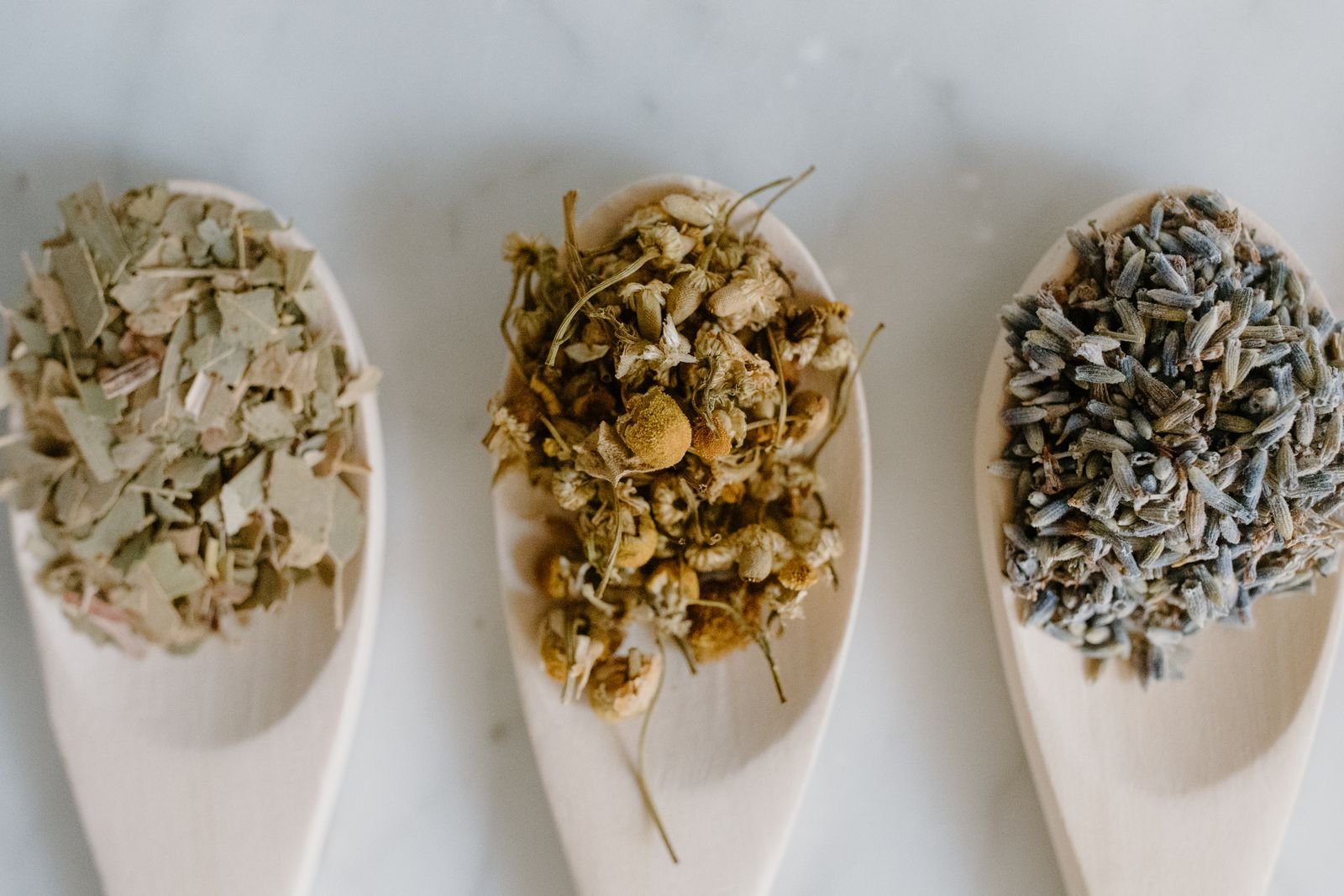
Which herbs help blood sugar, and which only claim to?
I studied plant biochemistry and botany, so when someone says an herb “balances blood sugar”, my first question is a chemistry question. Which compound? Which part of the plant? Why does the plant make it in the first place? Those answers rarely settle whether a capsule works, but they stop me from believing a label too quickly.
Search data shows that people ask this question in many forms: what herb lowers blood sugar, which herbs and spices are best, whether herbal tea helps, and whether herbs can raise blood sugar instead. This guide answers them one plant at a time. It also covers every herb from an old post of mine that I rewrote from scratch, because that post said far more than the research supports.
One rule before anything else. This article is education about plants and research, not medical advice and not a treatment plan. If you have diabetes or take blood sugar medicine, your doctor and pharmacist come before any herb on this page.
What herbs are good for blood sugar?
The most careful answer comes from the US National Center for Complementary and Integrative Health (NCCIH). Its page on diabetes and dietary supplements (updated November 2023) says plainly: “We don’t have reliable evidence that any herbal supplements can help to control diabetes or its complications.” It adds that bitter melon, fenugreek, ginseng and milk thistle have limited research that has not shown them to be effective.
That sentence is my filter for the whole topic. Many herbs have a plausible mechanism and some early studies. Very few have strong, repeated, well-controlled trials. When a label says “supports healthy blood sugar“, it is usually describing the first group, not the second.
The plants below are the ones people ask about most, plus every herb in the old post I rewrote. I note where the evidence is thin, and I do not pretend otherwise.
Can herbs lower blood sugar?
Some may do so modestly in studies, but “can lower” is not the same as “should be used to lower”. The same NCCIH page warns that cinnamon, St. John’s wort and aloe taken with conventional diabetes drugs can cause unwanted side effects. It also notes that the FDA warns against products sold as a “natural diabetes cure” or as a replacement for diabetes medicine, because they are marketed illegally and using them instead of effective treatment is harmful.
There is a second risk that people forget. If an herb lowers glucose, taking it on top of medicine that also lowers glucose could push levels too low. I cite this as a reason to talk to your prescriber, not as a claim that any particular herb does it. The NCCIH fenugreek page makes a related point: large doses may cause a harmful drop in blood sugar.
Does cinnamon lower blood sugar?
Cinnamon is the herb people name first, so I give it the most careful reading. Two species dominate the market. Ceylon cinnamon is the inner bark of (Cinnamomum verum), and cassia is the bark of (Cinnamomum cassia) and related species. The tree makes the bark’s aromatic oils and tannins to defend its stems from insects and fungi, which is a different job from managing glucose.
The research is mixed. NCCIH cites a 2019 review of 16 studies with 1,098 participants that found cinnamon helped lower fasting blood glucose and insulin resistance, with the authors noting wide differences in dose, duration and participants. A 2012 Cochrane review of 10 trials (577 participants) found insufficient evidence for type 1 or type 2 diabetes. Both statements can be true, because the studies are small and different from each other.
The safety point matters more to me than the effect. NCCIH says doses under 6 grams a day do not appear to pose a health risk, but higher doses most commonly cause allergic skin reactions and digestive problems. Cassia contains coumarin, which might cause or worsen liver disease in some people. My view: cinnamon on food is fine, and a concentrated supplement needs a label you can read and a doctor who knows what else you take.
Is berberine good for blood sugar?
Berberine is a compound, not a plant, and that distinction is where I start. It is an alkaloid found in European barberry, goldenseal, Oregon grape, phellodendron and tree turmeric, according to NCCIH. Alkaloids are bitter nitrogen compounds that plants make partly to discourage herbivores and microbes. The yellow color of barberry root comes from berberine.
NCCIH’s berberine page (updated June 2023) says some evidence suggests a modest effect on blood glucose in people with type 2 diabetes and a possible reduction in cholesterol. It also says berberine is generally well tolerated by mouth but not risk-free. Common side effects include abdominal pain, constipation, diarrhea, nausea and vomiting. It should be avoided in pregnancy and breastfeeding, and it may interact with other medicines in harmful ways.
That last line is why I would never add berberine without asking a pharmacist. Because it is a concentrated compound, it behaves more like a drug than a spice, and I treat it that way.
Does fenugreek help with blood sugar?
Fenugreek (Trigonella foenum-graecum) is a clover-like legume. Its seeds are used as a spice and in supplements, and botanically they are loaded with galactomannan, a sticky sugar polymer the seed uses to store water and food for the seedling. That gel-forming fiber is one reason people expect an effect on how fast sugars are absorbed.
The NCCIH fenugreek page (updated February 2025) says some research suggests it may lower blood sugar in people with type 2 diabetes, but many of those studies were of low quality, and there is not enough high-quality evidence to say whether it helps. It says fenugreek is not safe in pregnancy in amounts greater than those in food, and large doses may cause a harmful drop in blood sugar. Allergic reactions, including serious ones, can occur.
I keep fenugreek in the “interesting, not established” group, and the seed in my kitchen is a different thing from a standardized extract. My post on fenugreek and other plants for men’s health looks at the seed from another angle.
What does gymnema do?
Gymnema (Gymnema sylvestre) is a climbing vine from India and parts of Africa, and its leaves contain gymnemic acids. These compounds are reported to dull the sweet taste on the tongue, which is why the plant earned the nickname “sugar destroyer”. That nickname describes a taste effect, not a shown effect on glucose, so I treat it as folklore plus a taste mechanism.
I wrote a separate guide on gymnema from the plant-science side, so I will not repeat it here. I do not cite a new trial for gymnema in this post, and NCCIH does not list it among the herbs with reliable evidence.
Is banaba good for blood sugar?
Banaba (Lagerstroemia speciosa) is a flowering tree in the same genus as crape myrtle, and the leaf is the part used. Two groups of compounds drive the interest: corosolic acid, a triterpene, and ellagitannins, which are tannins plants make as a defense against being eaten.
A review of banaba and corosolic acid from 2012 reports that pure corosolic acid lowered blood sugar within 60 minutes in human subjects and proposes several mechanisms. It also states that no adverse effects were observed in controlled human trials and describes its conclusions as tentative. This review is more than a decade old, and I did not find a newer systematic review to put beside it, so I treat banaba as early evidence.
Does turmeric help blood sugar?
Turmeric (Curcuma longa) is a ginger-family plant, and the spice is its underground rhizome. The orange curcuminoids are made partly as defense chemicals, and curcumin is the best known. The problem is that curcumin is absorbed poorly, which is why many products add piperine from black pepper.
The NCCIH turmeric page (updated April 2025) does not assess turmeric for blood sugar. It says there is not enough evidence to conclude that turmeric is beneficial for any health purpose, with promising early evidence for osteoarthritis symptoms and possibly fatty liver. It also warns that highly bioavailable curcumin formulations may harm the liver, with signs such as fatigue, nausea, dark urine and jaundice. If you see them, stop and contact a health care provider.
So turmeric as a blood sugar herb rests more on mechanism than on trials in my reading. As a food spice I use it freely. As a high-absorption capsule, I would be careful.
What is eleuthero, and does it help with blood sugar?
Eleuthero (Eleutherococcus senticosus), often called Siberian ginseng, is a woody shrub from northeast Asia. It is only distantly related to true ginseng (Panax species) and has different chemistry, a point I think the name hides. The root is the part used.
An EBSCO research overview notes that the “adaptogen” idea comes from Soviet researcher I. I. Brekhman, and judges the evidence for it as falling well short of scientific standards. Most better-quality trials showed no benefit, including for athletic performance. It reports side effects such as insomnia, headache and anxiety, and says certain diabetes drugs may interact with eleuthero. The source does not name them, so ask a pharmacist.
I do not see a blood sugar case for eleuthero. Its main reputation is for fatigue and stress, and even that is weak. My post on how adaptogens help your body adapt explains the biochemistry behind the idea.
What is butcher’s broom used for?
Butcher’s broom (Ruscus aculeatus) is a small spiny evergreen shrub. It is not a typical blood sugar herb at all. According to Memorial Sloan Kettering (updated May 2025), its strongest claim is for chronic venous insufficiency, where small studies suggest improved symptoms, and its long-term safety and effectiveness are not known.
The same page lists diabetes as the one contraindication, and reports a case of diabetic ketoacidosis in a woman with diabetes several days after taking butcher’s broom for ankle swelling. It adds that it found evidence lacking for constipation, hemorrhoids and leg cramps. I mention this because I read labels as a botanist, and a circulation herb inside a “blood sugar” blend is a reason to read slowly and ask your doctor.
What about pine bark, cocoa and juniper berry?
These three appear in blends because of their antioxidant chemistry, and I do not cite blood sugar figures for any of them in this guide.
Pine bark extract usually comes from maritime pine (Pinus pinaster). The bark is rich in procyanidins, tannin-like compounds the tree uses to protect its inner tissue from microbes. Cocoa (Theobroma cacao) seeds contain flavanols, and their content falls sharply with heavy processing, so a chocolate bar and a standardized extract are not the same. The “juniper berry” is botanically a fleshy cone from (Juniperus communis), rich in aromatic oils.
I find the chemistry of all three interesting. Interesting chemistry is not a trial result, so I keep them as supporting ingredients and not as blood sugar herbs.
Does magnesium help with blood sugar?
This is not an herb, but people ask about it constantly. The NIH magnesium fact sheet says people who get more magnesium from their diet tend to have a lower risk of developing type 2 diabetes, and that whether supplements help people who already have the condition is still being studied. NCCIH’s 2022 digest says clinical trials have not shown a clear benefit.
The supplement upper limit is 350 mg a day for adults, and high intakes can cause diarrhea, nausea and cramping. Food sources are my first choice, and my post on magnesium supplement blends covers the supplement side. My elemental mineral calculator shows how much real magnesium a form holds. Magnesium is the mineral at the center of chlorophyll, so green vegetables, nuts and seeds are rich in it.
Is herbal tea good for blood sugar, and can herbs raise it?
I do not cite a trial for herbal tea and blood sugar, so I will not claim a benefit. What I do check is what else is in the cup, and my post on hidden healing herbs shows how many plants end up in a tea. Honey, sugar, fruit juice or a sweetened tea bag adds sugar, and that matters more than the leaf.
People also ask whether herbs can raise blood sugar. I do not cite an herb shown to do so. The documented concern is the opposite, a drop in blood sugar when an herb is combined with medicine. If your levels change after starting any herb, contact your doctor.
What about chromium and other supplements?
Chromium is a mineral, not a plant, but it appears in many blood sugar blends. NCCIH cites a 2022 review of 16 studies with 868 participants suggesting chromium may improve HbA1c, fasting glucose and insulin resistance in people with type 2 diabetes, while its 2022 digest shows conflicting results across other reviews. Side effects include stomach pain and bloating, and a few reports describe kidney damage, liver damage and muscle problems after large doses.
NCCIH also notes that some supplements have been linked to kidney disease and that a provider should closely monitor supplement use if you have or are at risk for kidney disease. That matters because diabetes is the leading cause of kidney disease.
How should you read a blood sugar supplement label?
I read labels the way I read a plant specimen: part, species, amount. First, check that every herb has a Latin name and the plant part used. Second, look for amounts in milligrams for each ingredient, not only a blend total, and my proprietary blend estimator helps when a label hides the amounts. Third, compare those amounts with the doses used in studies, because many herbs in blends are present in tiny amounts.
My dose vs product dose guide explains how to compare a label with a trial dose, and my tools page has the label tools. If a label lists no amounts or promises a cure, I would not buy it. My printable How to Read a Supplement Label, a product from my guides, walks through the steps above.
Who should talk to a doctor first?
Anyone who has diabetes or prediabetes, takes glucose-lowering medicine, has kidney or liver disease, is pregnant or breastfeeding, or has surgery planned should speak to a doctor before using an herb for blood sugar. Very high or very low readings, extreme thirst, or unexplained weight loss need medical care, not a supplement. My printable Supplement Safety Checklist, a product from my guides, helps you organize your questions for the appointment.
Common Questions
What is the best herb for blood sugar?
NCCIH says there is no reliable evidence that any herbal supplement helps control diabetes. Cinnamon and berberine have the most studies, with modest, mixed results, so neither is a safe replacement for treatment.
What herbs and spices lower blood sugar?
Cinnamon, fenugreek, turmeric and berberine-containing plants are the names that come up. For each, the evidence is limited or mixed, and several carry interaction or liver warnings.
What is the quickest natural way to lower blood sugar?
I do not know of an herb that is both quick and shown to work. If your reading is high, follow your doctor’s plan, and seek care if you have symptoms such as extreme thirst or confusion.
Are bitter herbs good for blood sugar?
Bitterness only tells you that a plant contains defensive compounds. Bitter melon is in the NCCIH list of herbs with limited research, so I do not treat bitterness as proof.
Are Ayurvedic, Chinese and African herbs good for blood sugar?
Many traditional herbs have long histories of use. A long history is not the same as a controlled trial, so check the evidence for each plant and ask your doctor.
Can magnesium help with diabetes?
NIH says higher dietary magnesium is linked with lower risk of type 2 diabetes, and that supplements in people who already have it are still being studied.
Do herbs raise blood sugar?
I do not cite an herb shown to raise it. The better documented risks are low blood sugar with certain herbs and medicines, and added sugar in sweetened teas.
In case you are looking for a supplement that combines several of these herbs, I found this product.

How does a second blood sugar herb formula compare?
After checking the ingredients and the science behind them, I looked at a second formula that people often put next to the first. It shares three plants I covered above: cinnamon, banaba and berberine. It adds saffron, brown seaweed (Laminaria japonica), orange peel (Citrus sinensis), kudzu flower and olive leaf (Olea europaea). The information I have gives no amounts.
Because berberine is in both, the cautions above apply to both: avoid it in pregnancy, and it may interact with medicines. The new item to check is the brown seaweed. From general knowledge, seaweed can be high in iodine, and the ODS sets the adult upper limit at 1,100 mcg a day, with extra care for anyone with a thyroid condition. My post on sea greens says more about seaweeds in supplements.
Does the difference matter? A little. The core three plants are the same, and the second adds five more that this post does not cover with trials. Both are reasonable to look at if you check the label and your medicines first, especially glucose-lowering drugs. I would choose one, not both.
If you would like to compare it yourself, I have linked the second formula below. One thing I like about it is that its plants are named, so each one can be checked against the notes above.

Blood sugar is only one corner of the supplement world, so if you would like to look around, I have put the best known brands on a single page.
See Popular Supplement Brands!
The Short Version
NCCIH says there is no reliable evidence that any herbal supplement can control diabetes. Cinnamon and berberine have modest, mixed evidence, fenugreek and banaba are early, and turmeric, eleuthero, gymnema, pine bark, cocoa and juniper are better known for other reasons. Butcher’s broom is a circulation herb that carries a diabetes caution on the Memorial Sloan Kettering page.
Read the label for species, plant part and milligrams, and talk to your doctor before adding any herb if you have diabetes or take medicine.
