





















This article was written and reviewed by Serge, MSc. Leveraging expertise in Biochemistry, Biogeochemistry and Chemical Quality Control, I share insights based on published research to help readers better understand the potential benefits and limitations of supplement ingredients.
Affiliate disclosure: This site has affiliate links, including Amazon. As an Amazon Associate I earn from qualifying purchases, at no extra cost to you.
It was just another evening at the gym. I had finished a few sets on the bench press when I overheard a couple of guys talking about their knees.
One complained about stiffness, the other about occasional swelling. I joined the conversation because, as a scientist interested in plant chemicals and natural remedies, I’m naturally curious about how these compounds interact with the body.
We started casually, between sets. They were curious, what works for joint health, what’s worth the hype, and what’s just marketing. I told them I’d seen countless supplements on the market, many promising miraculous results.
But my perspective is different: I look at the science behind the ingredients, the plants themselves, and how they interact with our physiology.
Why Joint Health Deserves Attention
One of the guys asked me why joints sometimes hurt so suddenly, even when someone is otherwise fit. I explained that joint discomfort isn’t always from injury. It can be due to a combination of mechanical stress, wear and tear, inflammation, and nutrition.
I told them that movement is essential, but supplements can sometimes help support the body’s natural repair processes. The key is understanding what’s inside those bottles, not just relying on flashy claims.
The Fascination of Plant Compounds
Naturally, the conversation shifted to plants. I love talking about this part. Many people see turmeric or papaya extract on a label, but they don’t realize the biochemistry behind it.
For example, I shared how Boswellia serrata, or Indian frankincense, produces boswellic acids. From what I’ve read, these acids are fascinating in how specifically they work, they help modulate inflammatory pathways without the harsh effects associated with synthetic anti-inflammatories.

Then we talked about Curcuma longa, or turmeric, whose curcuminoids are strong antioxidants that naturally help regulate inflammation. I also mentioned enzymes like papain from Carica papaya and bromelain from Ananas comosus, which gently act on proteins in tissues to support natural repair and occasional inflammation.

As you can see, these are all compounds that we frequently eat without even realizing their benefits.
As a botanist, I’m often asked why I get excited about these things. I told them: “It’s not just the plant, it’s the chemistry. Understanding how these compounds interact with human biochemistry is the part that’s genuinely exciting.”
A Thoughtful Approach to Supplements
One of the guys asked, “So, are any of these supplements actually worth it?” I told them there are a few that make sense scientifically, especially those that combine multiple ingredients targeting different aspects of joint support.
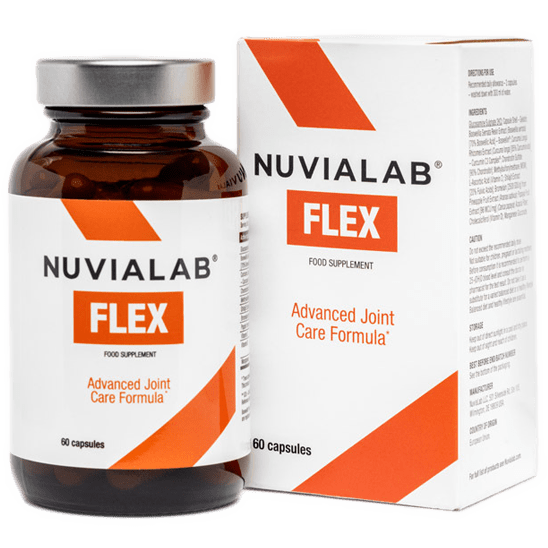
I mentioned NuviaLab Flex, not as a medical solution, but as an example of a supplement that aligns with what I’ve studied. It includes compounds that support cartilage, connective tissue, and occasional inflammation.
I explained the ingredients in a way that fit our conversation:
-
Boswellia serrata – I love how specific its action is on inflammatory pathways.
-
Curcuma longa – Its curcuminoids aren’t just antioxidants; they help regulate inflammation at a cellular level.
-
Papain and bromelain – I find enzymes fascinating because of how they gently process damaged proteins and support tissue recovery.
-
Glucosamine and chondroitin – These support cartilage structure, helping maintain flexibility.
-
MSM (methylsulfonylmethane) – Provides sulfur for connective tissue and collagen, which is essential for joint integrity.
-
Vitamins C and D, manganese, and shilajit extract – These nutrients help maintain connective tissue, strengthen bones, and support the body’s natural processes that keep joints healthy.”
I emphasized that while supplements can support joint comfort and mobility, they don’t replace exercise, good nutrition, or medical advice. The goal is to create a multi-layered approach, movement, nutrients, and carefully chosen compounds working together.
Discussion About What Works
One of the gym-goers asked, “So you’re saying some supplements actually do something?”
I said, “Yes, but the effect is gradual. You won’t see cartilage regrowing overnight, but supporting connective tissue and reducing occasional inflammation is possible over weeks or months. The combination of plant compounds and vitamins can help maintain joint function as part of an overall routine.”
We discussed how many supplements on the market make bold claims: “eliminate joint pain in days” or “regenerate cartilage.” I told them to be skeptical.
Science doesn’t work that fast. Healing and support are gradual. The exciting part is seeing compounds like Boswellia, turmeric, papain, and bromelain work together naturally, which is exactly what NuviaLab Flex attempts to do.
Observations From Everyday Life
I shared a few anecdotes from people I know who use multi-ingredient supplements. Some reported reduced stiffness in the knees, better flexibility for squats, and less discomfort during daily activities. I reminded the guys that these improvements are supported by consistent use and lifestyle habits, not magic pills.
We also talked about nutrition: Omega-3s, antioxidants, and minerals all contribute to joint support. Even someone very active in the gym can experience wear and tear without these nutrients. Supplements don’t replace them, but they can fill gaps and complement a healthy lifestyle.
How I View Joint Supplements Now
From my perspective, supplements like NuviaLab Flex make sense when they:
-
Include plant compounds I know to have anti-inflammatory or tissue-supporting properties.
-
Combine cartilage-supporting molecules with vitamins and minerals.
-
Provide enzymes that help the body manage occasional stress or micro-damage in tissues.
I told my friends that it’s like assembling a team: each ingredient plays a role. Boswellia and turmeric manage inflammation, glucosamine and chondroitin support structural integrity, enzymes like papain and bromelain assist recovery, and vitamins C and D, along with minerals, maintain overall tissue health. The effect isn’t instant, but over time it can support mobility and comfort.
By the end of our chat, we weren’t just talking about supplements, we were talking about understanding what goes into our bodies, how plant chemistry interacts with our physiology, and how to make informed choices.
I could see they were thinking differently now. They weren’t just reading labels, they were considering the science behind them. They understood that movement, nutrition, and thoughtful supplementation all work together to maintain joint health.
I enjoy these conversations because they connect my academic knowledge with real-world experience. Seeing people understand how plant biochemistry relates to their own comfort is very gratifying. It’s not about hype; it’s about gaining insight and taking thoughtful action.
Summary
Joint support is not about chasing quick fixes or flashy marketing. It’s about understanding what works, why it works, and how to incorporate it into a lifestyle that prioritizes mobility, comfort, and resilience.
From my perspective as a botanist and plant biochemist, NuviaLab Flex represents a science-aligned approach, combining natural compounds, enzymes, and vitamins in a way that makes sense biochemically. While I’m not making medical claims, I can say that looking at supplements through the lens of plant chemistry allows people to make better-informed choices about what they put in their bodies.
So the next time you hear bold claims on supplement labels, think about the plants behind them. Consider how their compounds interact with human physiology. And remember: supporting joint health is a combination of movement, nutrients, and thoughtful supplementation over time.
Frequently Asked Questions
Who can use NuviaLab Flex?
It’s suitable for adults of all ages and activity levels and has no known side effects.
Does it replace a healthy lifestyle?
No. NuviaLab Flex works best alongside regular exercise, balanced nutrition, and overall joint care habits.
How should I take it?
Take 2 capsules daily with about 300 ml of water.
Can it be combined with other supplements?
Yes, it can be taken alongside other vitamins or minerals, but it’s always best to check with a healthcare professional if you have concerns.
Can it be used preventively?
Yes. People who put extra stress on their joints can use it to help maintain joint comfort and mobility.
How long does it take to see effects?
Some effects may be noticed within the first few weeks, with optimal results after several months of regular use.
Is it safe for long-term use?
Yes, it’s formulated for regular use, but following the recommended dose is advised.
What is NuviaLab Flex?
NuviaLab Flex is a multi-ingredient supplement designed to support joint flexibility and comfort. It contains Indian frankincense, turmeric, manganese, and vitamin C to help maintain healthy joints and connective tissues.
Learn More About NuviaLab Flex Now!
