


















This article was written and reviewed by Serge, MSc. Leveraging expertise in Biochemistry, Biogeochemistry and Chemical Quality Control, I share insights based on published research to help readers better understand the potential benefits and limitations of supplement ingredients.
Affiliate disclosure: This site has affiliate links, including Amazon. As an Amazon Associate I earn from qualifying purchases, at no extra cost to you.

Eye supplements tend to lead with their most scientific-sounding ingredient, and lately that ingredient is citicoline.
When I read one of these labels, I want to know two things: does the research behind each ingredient hold up, and does it apply to the reason the product is being sold. Those are different questions, and with eye supplements the gap between them is wide.
My background is in plant biochemistry and in the quality control of chemical measurements, so let me go through what is in a typical eye formula, what the evidence shows, and the well-studied nutrients these formulas often leave out.
Citicoline: Real Research, but Read It Carefully
Citicoline is the ingredient these products lean on hardest, so it deserves the closest look, and this is where the critical reading matters most.
Citicoline is a compound involved in building and protecting nerve cells. In the eye, it has been studied for the optic nerve and the retinal ganglion cells that carry signals to the brain. That sounds impressive, and the research is real, but here is the part the marketing skips: almost all of that research is in glaucoma patients. Glaucoma is a serious disease that damages the optic nerve, and citicoline has been studied as a possible way to slow that damage.
Two things follow from that. First, even in glaucoma the evidence is mixed. A 2023 systematic review of ten studies found not enough evidence to say citicoline slows glaucoma progression, despite some earlier positive results. So the science is unsettled even for the condition it was studied in.
Second, and this is the bigger point: none of that research is about tired eyes from screens, which is what these supplements are sold for. The glaucoma studies looked at slowing nerve damage in a disease, not easing strain after a long day at a laptop. Borrowing results from one to sell the other is a stretch, and it is a common one on eye supplement labels.
When I read a study, the first thing I check is whether it measured the thing being claimed. Citicoline does not pass that check here. It is a real research compound, but its evidence has been carried a long way from where it was earned.
Ginkgo Biloba
Ginkgo is included for circulation, on the idea that better blood flow feeds the eye. There is some research on ginkgo and ocular blood flow, but it is mixed and mostly in specific conditions, not in healthy people with strained eyes. So it is plausible support rather than a proven benefit.
Beta Glucan
Beta glucan is a soluble fibre that slows sugar absorption and helps steady blood sugar. That is real, but its link to eye health is indirect, through blood vessels, not a direct eye effect.
Product pages sometimes attach a precise figure to this, like a set percentage drop in blood sugar response. Treat exact numbers like that with suspicion unless a specific study on that exact product is cited, because they are usually borrowed from unrelated research.
NAC, Grape Seed, Bilberry and Taurine
These four are the antioxidant supporting cast, and I will take them together because they share the same story.
N-acetylcysteine raises glutathione, one of the body’s antioxidants, which is a sound mechanism, but the eye-specific human evidence is limited. Grape seed and bilberry are both rich in anthocyanins, the phenylpropanoid-pathway pigments I studied on the plant side, and they are reasonable antioxidants, but the vision claims, especially bilberry’s night-vision reputation, run ahead of mixed evidence. Taurine is concentrated in the retina and supports its function, with most of the protective data coming from animal work.
None of these are useless. They are plausible antioxidant support. But they are the supporting cast, not the reason a formula works.
Zinc and Vitamin C: The Firmer Ground
These two have the steadiest footing. Zinc supports retinal enzymes, and vitamin C is an antioxidant that also supports the small blood vessels of the eye.
Both are part of the antioxidant-and-zinc combination studied for slowing age-related macular degeneration in people already at risk. That evidence is about a specific disease in at-risk people, not about relieving tired eyes, but it is real, which is more than most of the ingredients above can say.
What These Formulas Often Leave Out
Here is where I want to inform rather than sell, because the most useful thing I can tell you is what is missing.
The eye nutrients with the strongest evidence of all are lutein and zeaxanthin, and many eye formulas, including citicoline-based ones, do not contain them. These two carotenoids concentrate in the macula, filter blue light, and have been studied for supporting macular health more thoroughly than almost anything else on an eye label. If a formula skips them, it is missing the best-supported ingredient in the category.
The other common omission is omega-3. For dry, tired eyes specifically, omega-3 fats support tear production, and a 2023 meta-analysis of 19 trials found omega-3 improved tear quality and reduced dry-eye symptoms, though results vary. For screen-related dryness, that is more directly relevant than most of the flashier ingredients.
So when you compare eye supplements, the useful move is not just checking what is in them, but noticing whether the best-studied nutrients, lutein, zeaxanthin, and omega-3, are present at all.
The Question That Decides It: Dose
The last thing, and the one that separates a real product from a label, is dose. The research on these nutrients uses specific amounts.
A product that lists an ingredient but hides the amount in a proprietary blend is dodging the only question that counts. So look for a formula that tells you how much of each key nutrient you are getting, especially lutein and zeaxanthin if they are included. That number tells you more than the length of the ingredient list.
Common Questions
Is citicoline proven to help tired eyes?
No. Citicoline has been studied for glaucoma, a serious optic-nerve disease, and even there the evidence is mixed. None of that research is about everyday tired eyes or screen strain, so its use in those products borrows evidence from a different situation.
Which eye nutrients have the strongest evidence?
Lutein and zeaxanthin for long-term macular support, and omega-3 for dry eyes, have the firmest research. Zinc and vitamin C also have solid footing in the macular degeneration context. Many popular formulas leave lutein and zeaxanthin out.
Does bilberry really improve night vision?
The reputation is stronger than the evidence, which is mixed. Bilberry is a reasonable antioxidant, but I would not choose a supplement for its night-vision claims.
What is the single most useful thing to check on the label?
Whether it contains lutein and zeaxanthin, and in what amount. If those are missing or hidden in a proprietary blend, the formula is skipping the best-studied nutrients in the category.
Can I get these from food instead?
Often yes. Leafy greens and egg yolks supply lutein and zeaxanthin, oily fish supplies omega-3, and a varied diet covers the vitamins. Supplements are for filling a gap, not replacing that.
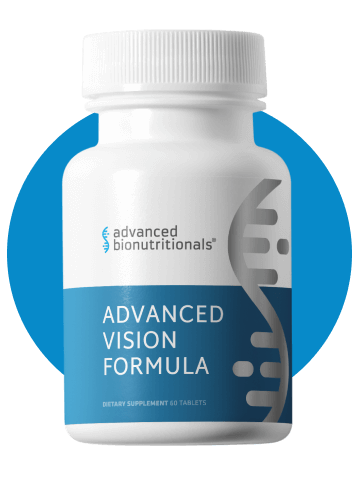
If you want an eye formula that brings several of these antioxidants together, Advanced Vision Formula is one option built around citicoline, ginkgo, zinc, vitamin C, and the antioxidant extracts above. If long-term macular support is your main goal, look for one that also includes lutein and zeaxanthin.
The link below is an affiliate link. If you buy through it I may earn a small commission at no extra cost to you.