
















This article was written and reviewed by Serge, MSc. Leveraging expertise in Biochemistry, Biogeochemistry and Chemical Quality Control, I share insights based on published research to help readers better understand the potential benefits and limitations of supplement ingredients.
Affiliate disclosure: This site has affiliate links, including Amazon. As an Amazon Associate I earn from qualifying purchases, at no extra cost to you.
Most eye supplements hand you a long list of ingredients and hope the length itself looks impressive.
When I read one of these labels, I want to know which ingredients actually earn their place and which are there to make the list look longer.
My background is in plant biochemistry, so I know most of these ingredients from the plant side first, and going through a typical formula like Eyevita Plus, a couple of the choices are smarter than I expected and a couple are the usual filler. Here is how they sort out.
Marigold Extract Is Just the Lutein
Let me start with the one that confuses people, because labels often list it in a way that makes it sound like two ingredients when it is really one.
Marigold flower extract, lutein, and zeaxanthin are not three separate things. Commercial lutein is extracted from marigold flowers, specifically Tagetes erecta. So when a label says marigold extract, it is telling you the source of the lutein and zeaxanthin, not adding a different ingredient on top. Seeing “marigold extract” and “lutein and zeaxanthin” listed separately is just the same compound described two ways.
That matters because lutein and zeaxanthin are the part of an eye formula I take most seriously. They collect in the macula, the central part of the retina, where they filter blue light and act as antioxidants. This is the ingredient with the firmest research behind it, and it is the reason a formula like this has any real footing.
Lutein and zeaxanthin have been studied for supporting macular health, mostly in the context of long-term protection rather than fixing tired eyes overnight. So this is the workhorse of the formula. If the lutein is properly dosed, the product has a real ingredient at its core. If it is under-dosed, the rest of the list does not save it.

Black Pepper Is the Clever One
This is the ingredient that made me stop and give the formula some credit, and it is the opposite of filler.
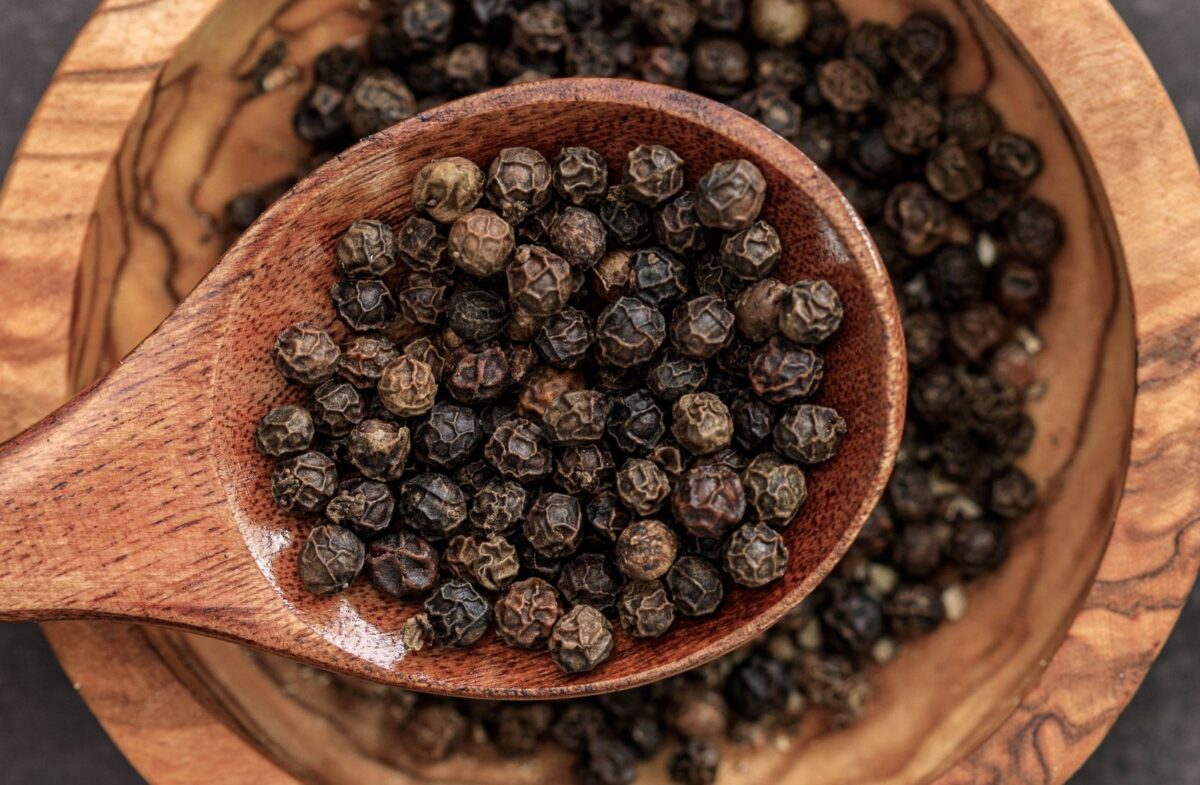
Lutein and zeaxanthin are fat-soluble, and they are not absorbed all that well on their own. Black pepper, Piper nigrum, contains piperine, which has been shown to raise the absorption of nutrients including carotenoids. So putting black pepper in a lutein supplement is not padding, it is a sensible way to get more of the carotenoids actually into your bloodstream instead of passing straight through. Most eye formulas leave this out, which means their fat-soluble ingredients are less useful than the label implies.
I will keep the critical hat on though. The logic is right, but whether the amount of piperine in any given product is enough to make a real difference depends on the dose, which labels rarely spell out. So I rate the inclusion as smart thinking, with a question mark over whether it is dosed to matter. Taking the capsules with a meal that contains some fat helps absorption too, and costs nothing.
Bilberry, Ginkgo and Maqui: The Supporting Cast
These three are where eye formulas usually lean on reputation more than evidence, so this is where I ease off the enthusiasm.
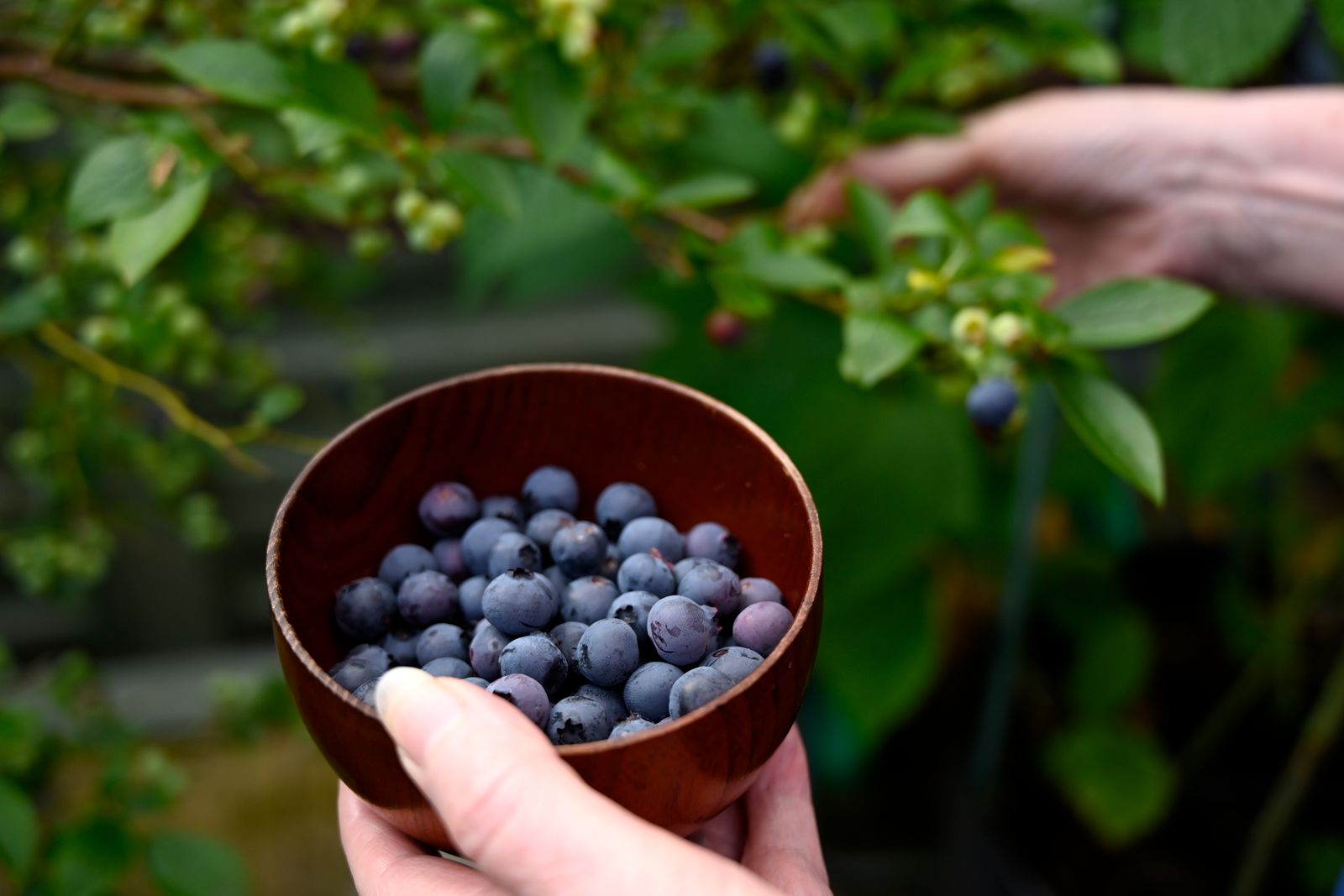
Bilberry, Vaccinium myrtillus, is rich in anthocyanins, the pigments behind its dark colour, and it has a long reputation for night vision. The reputation is stronger than the evidence, which is mixed, so I treat bilberry as a reasonable antioxidant addition rather than a proven vision booster.
Ginkgo biloba is included for circulation, on the idea that better blood flow brings more oxygen and nutrients to the eye. There is some research on ginkgo and ocular blood flow, but it is mixed and mostly in specific conditions, so I would not build a case around it.
Maqui berry, Aristotelia chilensis, is another anthocyanin-rich antioxidant, and it has actually been studied a little for tear production and dry eye, which is more than bilberry can say for its night-vision claims. The studies are small, so I would call it promising rather than proven.
None of these three are useless. They are plausible antioxidant support. But they are the supporting cast, not the reason the formula works, and I would be wary of any description that treats them as the stars.
The Vitamins and Minerals
Vitamin A matters for the retina and tear film, and a real deficiency causes dryness and poor night vision, though in a well-fed person more is not better and too much is harmful. Vitamin E is an antioxidant that helps protect the retina. Riboflavin plays a role in normal vision.
Zinc supports retinal enzymes and is one of the nutrients in the antioxidant combination studied for slowing macular degeneration in people already at risk. These are all reasonable, standard inclusions. They are not exciting, but they belong.
How I Read the Whole Formula
Putting it together, the way I would with any ingredient list, the pattern is clear. The lutein and zeaxanthin from marigold are the real core, backed by the best research. The black pepper is a genuinely smart addition because it targets the absorption problem those carotenoids have. The bilberry, ginkgo, and maqui are plausible antioxidant support with thinner evidence. The vitamins and zinc are sensible basics.
The one thing I cannot tell from the outside, and the thing that actually decides whether a formula like this is worth it, is the dose. The research on lutein uses specific amounts, often around 10 mg. A label that brags about “high bioavailability” but hides the actual lutein content in a proprietary blend is dodging the only question that counts.
So if you are comparing eye supplements, the useful move is to ignore the length of the ingredient list and look for one that tells you how much lutein and zeaxanthin you are actually getting. That number tells you more than the other eight ingredients combined.
Common Questions
Is marigold extract different from lutein?
No. Marigold is where commercial lutein and zeaxanthin come from, so marigold extract on a label is just naming the source of those carotenoids, not a separate ingredient.
Why is black pepper in an eye supplement?
Its piperine raises the absorption of fat-soluble nutrients like the carotenoids, so it helps more of the lutein and zeaxanthin get into you. It is one of the more sensible inclusions in a formula like this, as long as it is dosed adequately.
Do bilberry and ginkgo really help vision?
The evidence is mixed and weaker than their reputations suggest. They are reasonable antioxidant additions, but I would not choose a supplement for them alone.
What is the most important thing to check on an eye supplement label?
The amount of lutein and zeaxanthin. If a product hides that in a proprietary blend, you cannot tell whether it matches the studied doses, and that is the number that matters most.
Can I get these from food instead?
Lutein and zeaxanthin come from leafy greens and egg yolks, and a diet rich in them builds macular pigment directly. Supplements are for filling a gap, not replacing that.
If you would rather get these nutrients from a single daily capsule, Eyevita Plus is one formula built around lutein and zeaxanthin from marigold, with black pepper included to help absorption, alongside bilberry, ginkgo, maqui, and the eye vitamins.
Learn More About Eyevita Plus!
The link above is an affiliate link. If you buy through it I may earn a small commission at no extra cost to you.

