














This article was written and reviewed by Serge, MSc. Leveraging expertise in Biochemistry, Biogeochemistry and Chemical Quality Control, I share insights based on published research to help readers better understand the potential benefits and limitations of supplement ingredients.
Affiliate disclosure: This site has affiliate links, including Amazon. As an Amazon Associate I earn from qualifying purchases, at no extra cost to you.

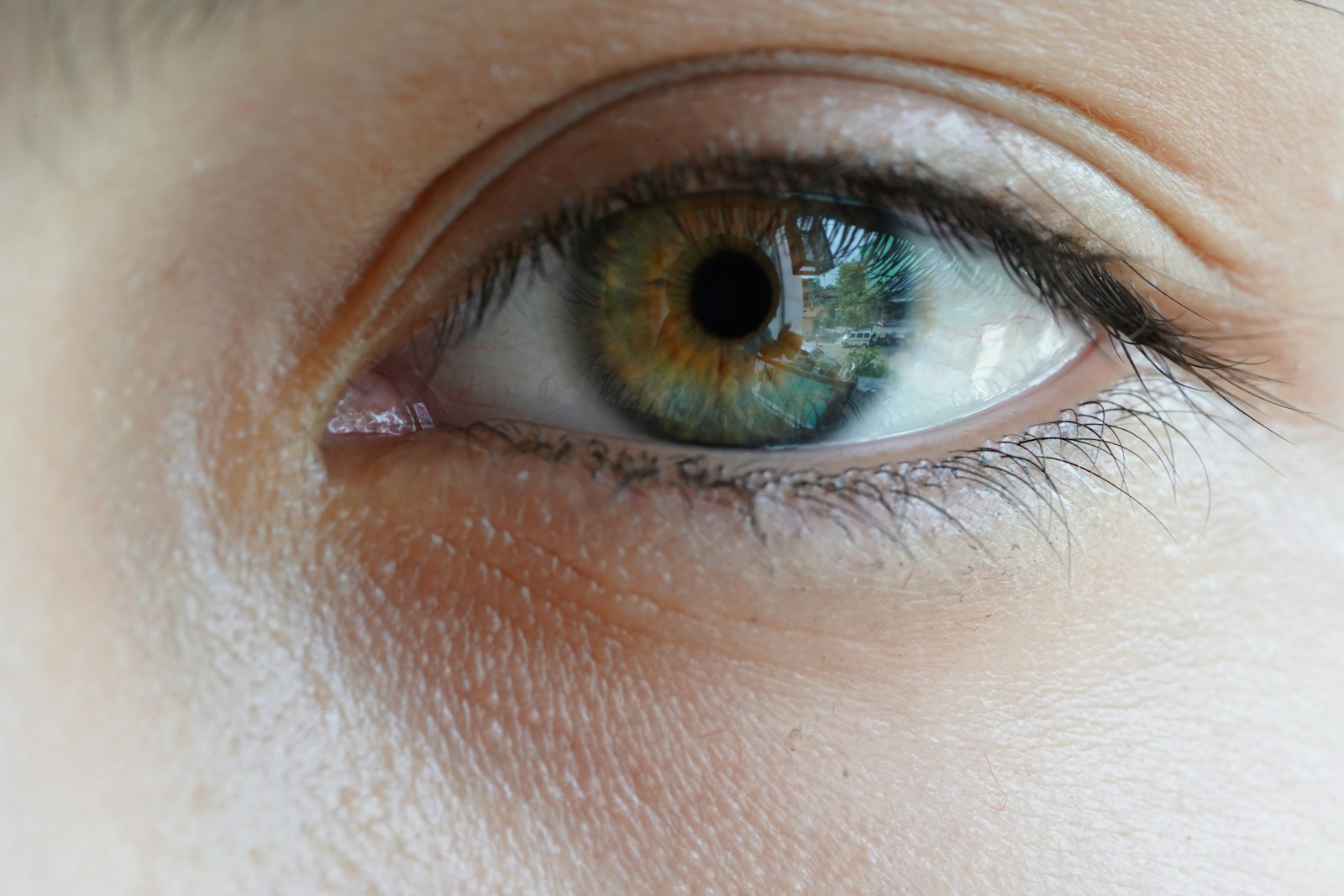
Eyes take a lot of daily strain, from screens, bright light, and the slow changes of aging, and a common response is to reach for eye drops. Drops soothe the surface for a while, but they do not feed the eye.
My background is in plant compounds and oxidative stress, so what interests me is the nutrition side: which nutrients the eye actually uses, and which of them have real evidence rather than marketing behind them.
Here is that breakdown, honestly, including where the science is strong and where it is thinner than the labels suggest.
Lutein and Zeaxanthin
These two are carotenoids, part of the same terpenoid pigment family I studied on the plant side, and they concentrate in the macula, the central part of the retina. There they filter high-energy blue light and glare, which is why they get described as the eye’s own built-in filter.
Lutein sits in the macula and helps with contrast and comfort during screen time. Zeaxanthin works alongside it, protecting the central vision area and helping keep colour and detail crisp. The evidence is strongest for their long-term role in supporting the macula rather than for instantly relieving tired eyes.
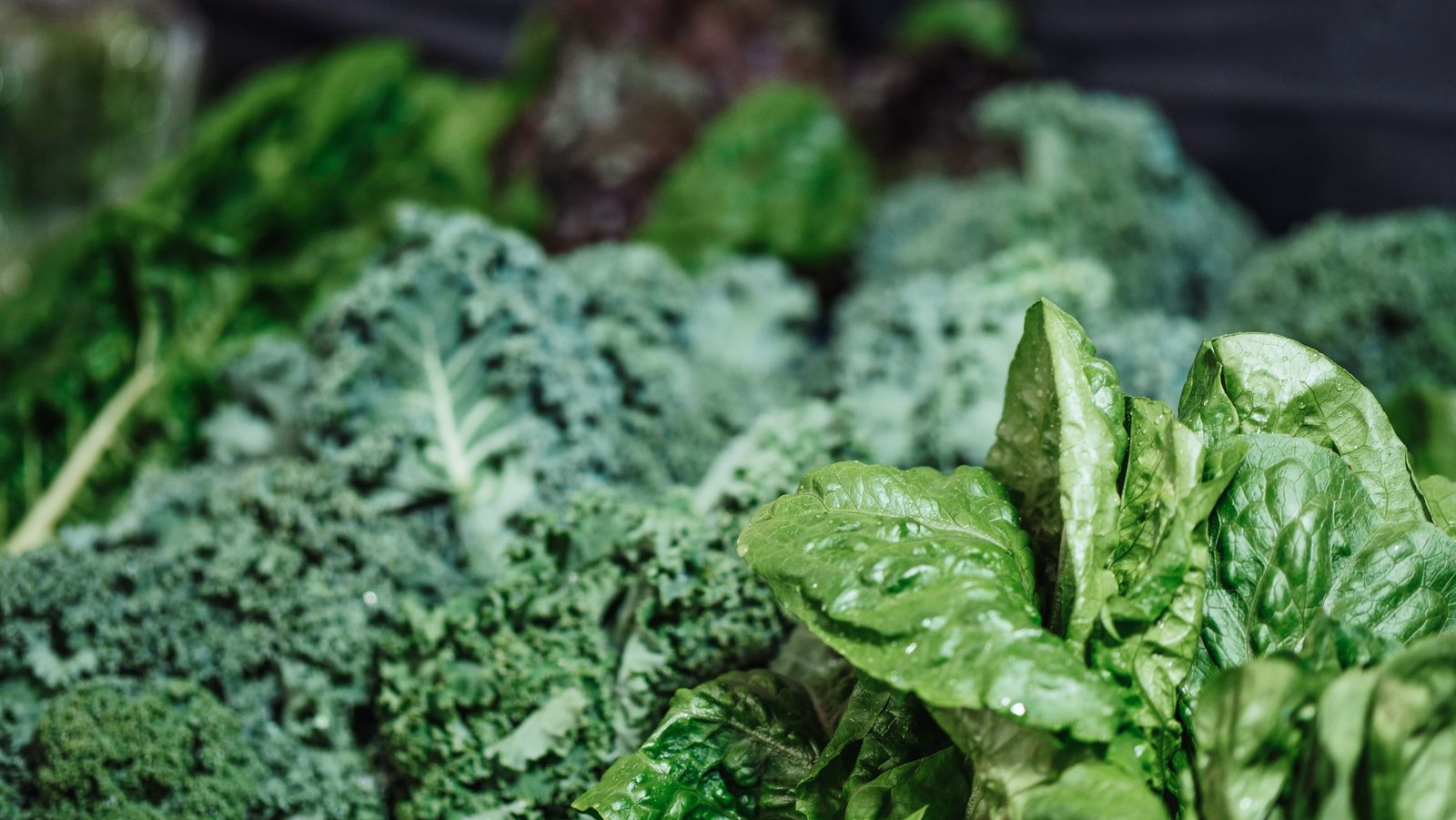
You get them from food readily: spinach, kale, broccoli, egg yolks, corn, and orange peppers are all good sources, and the yolk form is particularly well absorbed.
Bilberry
Bilberry (Vaccinium myrtillus) is rich in anthocyanins, the same phenylpropanoid-pathway compounds behind the deep colour of many berries.
It has a long traditional reputation for vision, especially night vision, and it is studied for supporting the small blood vessels that feed the eye. Worth being straight though: the night-vision reputation is stronger than the evidence, which is mixed, so treat bilberry as supportive rather than a proven fix.
Vitamins C and E, and Selenium
These are the eye’s antioxidant defences against oxidative stress, the everyday cellular wear that comes from constant exposure to light and oxygen.
Vitamin C helps keep the small blood vessels of the eye strong and adds antioxidant protection, and higher dietary intake has been associated with lower cataract risk. Citrus, strawberries, and peppers are rich in it.
Vitamin E protects the retina, which is especially sensitive to oxidative damage. It is one of the antioxidants studied in combination for slowing age-related macular degeneration. Almonds, sunflower seeds, and avocado supply it.
Selenium supports the enzymes that let vitamins C and E do their antioxidant work. Brazil nuts, tuna, eggs, and brown rice provide it, and only small amounts are needed.
Zinc and these antioxidants together are the basis of the AREDS combination that may reduce the risk of advanced age-related macular degeneration in people already at risk. One honest caveat from that same body of research: adding more antioxidants does not automatically add benefit, so a longer ingredient list is not the same as a stronger effect.
Zinc
Zinc concentrates in the retina and supports the enzymes involved in vision, including the eye’s ability to adjust in low light. A genuine zinc shortfall can make dim-light vision harder, which is why it appears in most eye formulas. Oysters, meat, pumpkin seeds, and legumes are good sources.
A Note on Omega-3
Although not always grouped with the eye antioxidants, omega-3 fats deserve a mention because they support tear production. A 2023 meta-analysis of 19 trials found omega-3 supplements improved tear quality and reduced dry-eye symptoms, though the large DREAM trial found no benefit over placebo, so the evidence is positive but not unanimous.
How These Work Together
The useful pattern is that no single one of these is a cure. Lutein and zeaxanthin filter light and support the macula, the antioxidants defend against oxidative stress, zinc supports low-light vision, and omega-3 supports tears.
They cover different jobs, which is why a varied diet, or a combined formula, targets more than any one nutrient alone. But they support the eye over time, they do not fix tired eyes on the spot, and the daily habits still matter most: screen breaks, hydration, good lighting, and leafy greens on the plate.
Common Questions
Can I get these nutrients from food alone?
Often yes. Leafy greens supply lutein and zeaxanthin, oily fish supplies omega-3, nuts and seeds supply vitamin E and selenium, and citrus and peppers supply vitamin C. A varied diet covers most of it.
Which of these has the strongest evidence?
Lutein, zeaxanthin, zinc and the antioxidant vitamins have the firmest research, mostly for long-term macular support in people at risk, not for quickly relieving tired eyes.
Do these help with screen fatigue specifically?
Indirectly. Lutein and zeaxanthin help with glare and contrast over time, but for day-to-day screen strain, blinking, breaks, and the 20-20-20 rule do more.
Is more of each nutrient always better?
No. With fat-soluble vitamins like E, and with antioxidants generally, more is not better and can be harmful, so match intake to what you actually need.
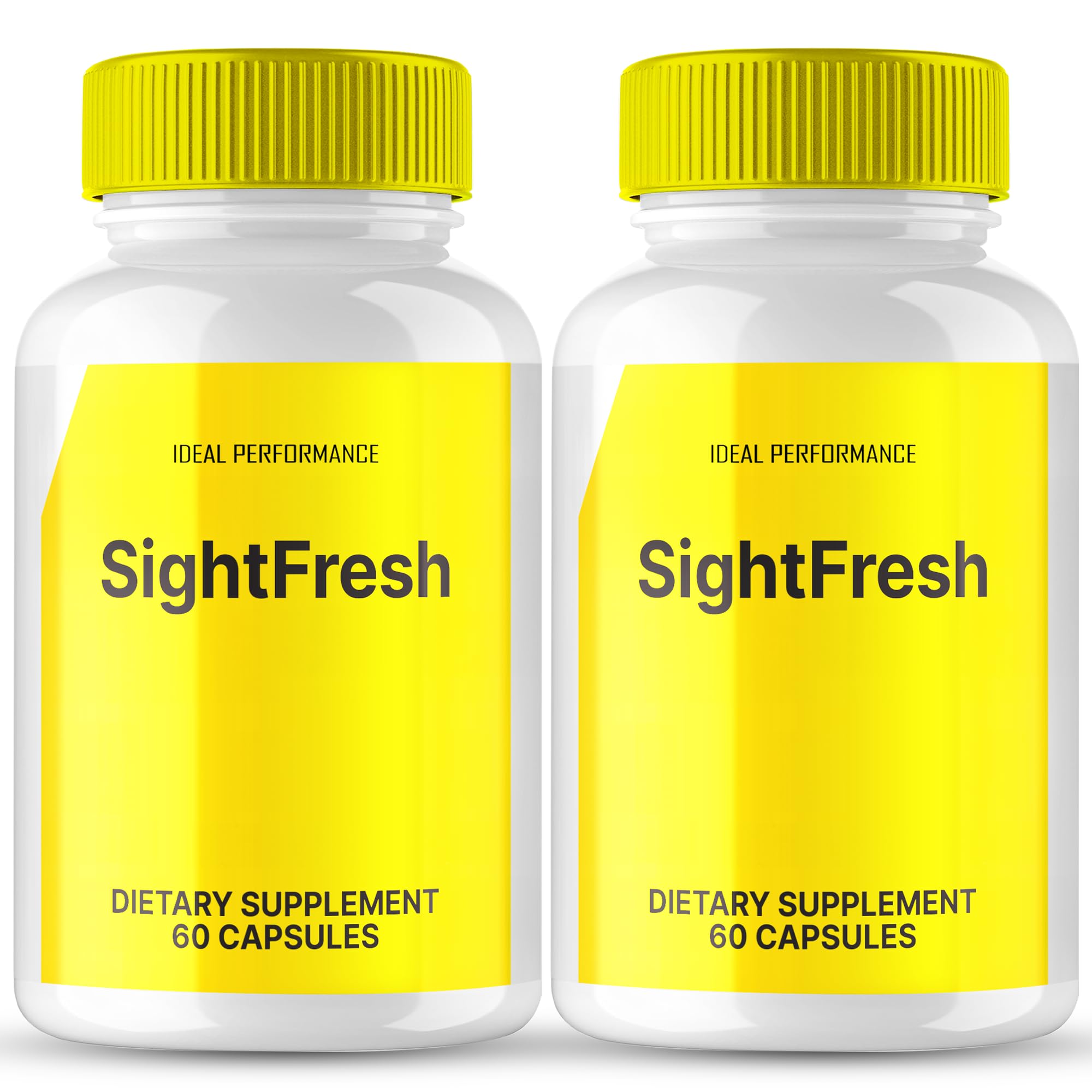
If you would rather take these nutrients in one daily capsule instead of assembling them from food, Sight Fresh is one formula built around several of them, including lutein, zeaxanthin, bilberry, zinc, and the antioxidant vitamins.
The link above is an affiliate link. If you buy through it I may earn a small commission at no extra cost to you.