














This article was written and reviewed by Serge, MSc. Leveraging expertise in Biochemistry, Biogeochemistry and Chemical Quality Control, I share insights based on published research to help readers better understand the potential benefits and limitations of supplement ingredients.
Affiliate disclosure: This site has affiliate links, including Amazon. As an Amazon Associate I earn from qualifying purchases, at no extra cost to you.

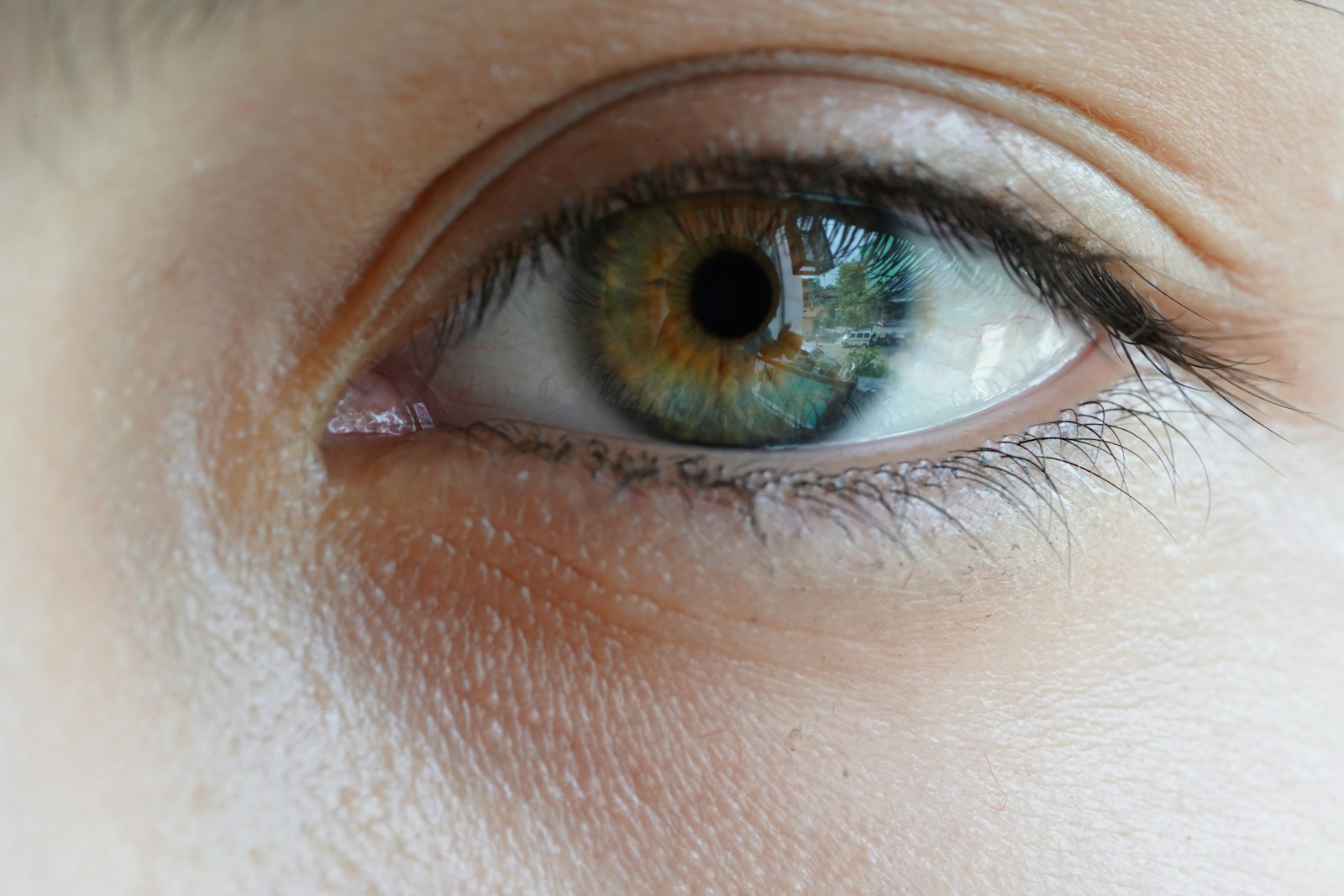
Eyes take a lot of daily wear, from screens, reading, driving, and sunlight, and dryness or strain is one of the most common results.
My background is in oxidative stress and plant compounds rather than clinical eye care, so I look at this the way I look at any ingredient question: what does the eye actually need, which nutrients have real evidence behind them, and where does the marketing run ahead of the science.
Here is the clear version, habits first, then nutrients.
What Makes Eyes Tired and Dry
A few different things drive it, and they respond to different fixes.
Screen time is the big one. Staring at a phone or laptop, you blink far less, which dries the surface of the eye and leaves it scratchy. I notice it myself after a long stretch on the laptop. Looking away and blinking a few extra times genuinely helps.
Aging changes tear production. As we get older the eyes make fewer tears, and the tears are less effective, so dryness can appear even if your eyes were fine for years.
Environment matters. Air conditioning, dry heated rooms in winter, wind, and dust all pull moisture from the eyes. Hydration and wearing glasses or sunglasses outside cut down the stress.
Nutrient gaps can contribute. Eyes rely on certain vitamins and fats, and a poor diet over time can leave them feeling tired or dry. This is where food and, when needed, supplements come in, though they are a smaller lever than the habits above.

The Nutrients With Real Evidence
Nutrition supports the eyes, but the strength of evidence varies a lot by nutrient, so it is worth separating the well-supported from the hopeful.
Hyaluronic acid keeps the eye surface moist, and it is well established in eye drops for dryness. The oral form, taken as a supplement, has been studied too with some early positive results, but the evidence for swallowing it is more limited than for the drops, so keep expectations modest there.
Vitamins A, C and E each play a role. Vitamin A is genuinely important for the retina and tear film, and a real deficiency causes dryness and poor night vision, though in a well-fed person taking more does not add benefit and too much is harmful. Vitamins C and E are antioxidants that help defend eye tissue against everyday oxidative stress, and they are part of the antioxidant-and-zinc combination that may reduce the risk of advanced macular degeneration in people already at risk.
Zinc and selenium support retinal enzymes and antioxidant defences, and zinc in particular is part of that same studied combination.
Lutein and zeaxanthin are carotenoids concentrated in the retina, the same terpenoid-family pigments I studied on the plant side. They filter high-energy blue light and are found in leafy greens like spinach and kale. The evidence is strongest for supporting the macula over the long term rather than for quick relief of tired eyes.
Omega-3 fatty acids, EPA and DHA, are involved in tear production and in calming inflammation. A 2023 meta-analysis of 19 randomized trials found that omega-3 supplements improved tear quality and reduced dry-eye symptoms. Worth being straight though: the large DREAM trial found no benefit over placebo, so the evidence is positive overall but not unanimous, and results vary by dose and by person.
The Habits That Help Most
Well, the daily habits do more for everyday dry, tired eyes than any single nutrient.
Blink more on purpose. It sounds trivial, but screens make you forget, and your eyes dry out.
Use the 20-20-20 rule. Every 20 minutes or so, look at something about 20 feet away for around 20 seconds. A tree outside or something across the room. It gives the focusing muscles a rest.
Drink enough water. Your eyes need hydration like the rest of you.
Wear sunglasses outside, even on cloudy days, since UV is tough on the eyes.
Adjust your screen. Lower the brightness and sit a bit farther back to cut the burning, tired feeling.
None of these are complicated, and together they do more than most supplements.
Where Supplements Fit
A balanced diet comes first, but supplements can fill a gap when a nutrient is genuinely lacking. If you go that route, the useful thing is to choose products with real quality control, third-party manufacturing certifications like GMP from NSF or NPA are a reasonable sign a product is made to a proper standard.
Corneacare is one example of a company offering eye-specific products such as hyaluronic acid, eye vitamins, and omega-3, made in GMP-certified facilities. As with any supplement, it supports good habits rather than replacing them.
The link below is an affiliate link. If you buy through it I may earn a small commission at no extra cost to you.
Common Questions
No. They can support the eyes when a nutrient is missing, but everyday dryness is driven more by blinking, screens, and environment, so habits do the heavy lifting.
Which nutrient has the best evidence for dry eyes?
Omega-3 has the most direct dry-eye research, and even there the results are mixed. For long-term eye protection, the antioxidant-and-zinc combination has the firmer footing, though that is about disease risk, not tired eyes.
Is oral hyaluronic acid as good as eye drops?
The drops have stronger evidence for surface dryness. Oral hyaluronic acid is studied but the evidence is more limited, so treat it as supportive rather than a replacement for drops.
Can I get these nutrients from food instead of pills?
Often yes. Leafy greens supply lutein and zeaxanthin, oily fish supplies omega-3, and a varied diet covers the vitamins. Food first, supplements to fill a real gap.
The link below is an affiliate link. If you buy through it I may earn a small commission at no extra cost to you.
