















This article was written and reviewed by Serge, MSc. Leveraging expertise in Biochemistry, Biogeochemistry and Chemical Quality Control, I share insights based on published research to help readers better understand the potential benefits and limitations of supplement ingredients.
Affiliate disclosure: This site has affiliate links, including Amazon. As an Amazon Associate I earn from qualifying purchases, at no extra cost to you.
Is there a supplement that can control your bladder?
I know of none that has been shown to. Bladder control problems in women have several causes, and the supplements sold for them are mostly built around cranberry, probiotics and a few traditional herbs, none of which has been tested as a treatment for leaks.
That does not leave you with nothing to do. Below I cover why leaks happen, the one vitamin that keeps coming up in research, whether probiotics can “restore” the bladder microbiome, what the herbs in a typical women’s formula do, and the steps that help more than any capsule.
Why do women lose bladder control?
The NIDDK says bladder control problems mean trouble holding or releasing urine, and that childbirth, menopause and aging can all contribute. It advises talking to a health professional right away about any bladder problem, including a frequent sudden urge to urinate or leaking during normal activities, and not to let embarrassment get in the way.
From general knowledge, leaks fall into a few types. Stress leaks happen with a cough, sneeze or jump. Urge leaks come with a sudden, strong need to go, which is the picture people call overactive bladder. Many women have both. The type matters because treatment differs, and no supplement is matched to a type. My post on life at menopause covers one stage when leaks often start.
Do bladder control supplements work?
The sources I trust most do not list supplements at all. The NIDDK page on bladder control problems mentions none, and the advice it gives is to keep a healthy weight, eat well and drink enough fluids.
Most bladder support formulas rest on one idea: that the bacteria living in the bladder and vagina, called the urinary microbiome, are out of balance in women who leak. Cross-sectional studies, including one titled “Bladder bacterial diversity differs in continent and incontinent women”, do report differences. A difference seen at one point in time does not show that bacteria cause leaks, or that a capsule can change them.
Which vitamin is good for bladder control?
Vitamin D is the one that comes up. A systematic review and meta-analysis of 13 studies, only 4 of them randomized trials, concluded that vitamin D deficiency was linked to a higher risk of overactive bladder and urinary incontinence, and that supplements were linked to a lower risk of incontinence. The estimate for overactive bladder had a very wide range, so it is imprecise.
I read that as a reason to check your vitamin D level, not to take a big dose, and my post on everyday symptoms of vitamin D deficiency covers the signs of a low level. The NIH Office of Dietary Supplements gives an adult upper limit of 4,000 IU a day. Most of the studies compared people who were low with people who were not (my upper limit checker helps you stay under the limit), which is a different question from whether extra vitamin D fixes leaks in someone with normal levels.
Can probiotics restore the bladder microbiome?
The best evidence is for urinary tract infections, not leaks, and it is not encouraging. A 2015 Cochrane review of nine studies with 735 people saw no significant benefit of probiotics over placebo for preventing recurrent urinary tract infections. The authors said a benefit could not be ruled out, because the studies were small and poorly reported, and the species, doses and durations varied widely.
Reported side effects included diarrhea, nausea, vomiting, constipation and vaginal symptoms. I know of no trial showing that a probiotic capsule changes the bladder microbiome in a way that stops leaks. My posts on probiotics for digestive health and the skin microbiome look at what probiotics can and cannot do.
What do the herbs in a women’s bladder formula do?
One formula for women, sold for bladder control, lists mimosa pudica, bearberry, cranberry extract, a probiotic blend and berberine. Cranberry is a UTI-prevention ingredient rather than a leak ingredient, and my post on urinary health supplements covers it. Here are the others.
Bearberry (uva ursi)
Bearberry (Arctostaphylos uva-ursi) is a low evergreen shrub whose leaf is the part used. The European Medicines Agency monograph lists it as a traditional medicine for relief of symptoms of mild, recurrent lower urinary tract infections in women, after a doctor has ruled out serious causes. It says not to use it for more than one week, and to see a doctor if symptoms last more than 4 days.
It lists kidney disorders as a contraindication and does not recommend it in pregnancy, breastfeeding, men or anyone under 18. Reported side effects are nausea, vomiting and stomach ache, and it can turn urine greenish-brown. It is not a leak herb, and it is not meant for daily, long-term use. My post on herbs and natural remedies looks at how traditional plants are used more widely.
Berberine
Berberine comes from several plants in the Berberis genus. The NCCIH says it has a modest effect on blood sugar in type 2 diabetes and is generally well tolerated, with stomach side effects, and that it might interact with medicines. Pregnant or breastfeeding women should not use it, since it can worsen jaundice in newborns.
The research cited for bladder use is a study in diabetic rats, which I would not carry over to women. I know of no human trial of berberine for bladder control. My post on berberine covers what it has been studied for.
Mimosa pudica
Mimosa pudica is the sensitive plant, whose leaves fold when touched. The study usually cited for it tested extracts in the lab for antioxidant and antibacterial activity. A test tube result is a long way from a woman’s bladder, and I know of no human trial of mimosa pudica for urinary symptoms.
How can you strengthen bladder control without a supplement?
From general knowledge, the steps with the best backing are pelvic floor (Kegel) exercises, bladder training to lengthen the time between visits, cutting back on caffeine (my caffeine cutoff calculator helps you pick a time) and alcohol, and a healthy weight. The NIDDK links to its own page on Kegel exercises, and a pelvic floor physiotherapist can check that you are doing them correctly.
I write this as a plant scientist, not a doctor. Leaks that are new, sudden or come with burning, blood in the urine, fever or back pain need a medical visit, since infections, diabetes and other conditions can cause them, and a supplement should not delay that. My post on everyday habits and routines covers the daily side.
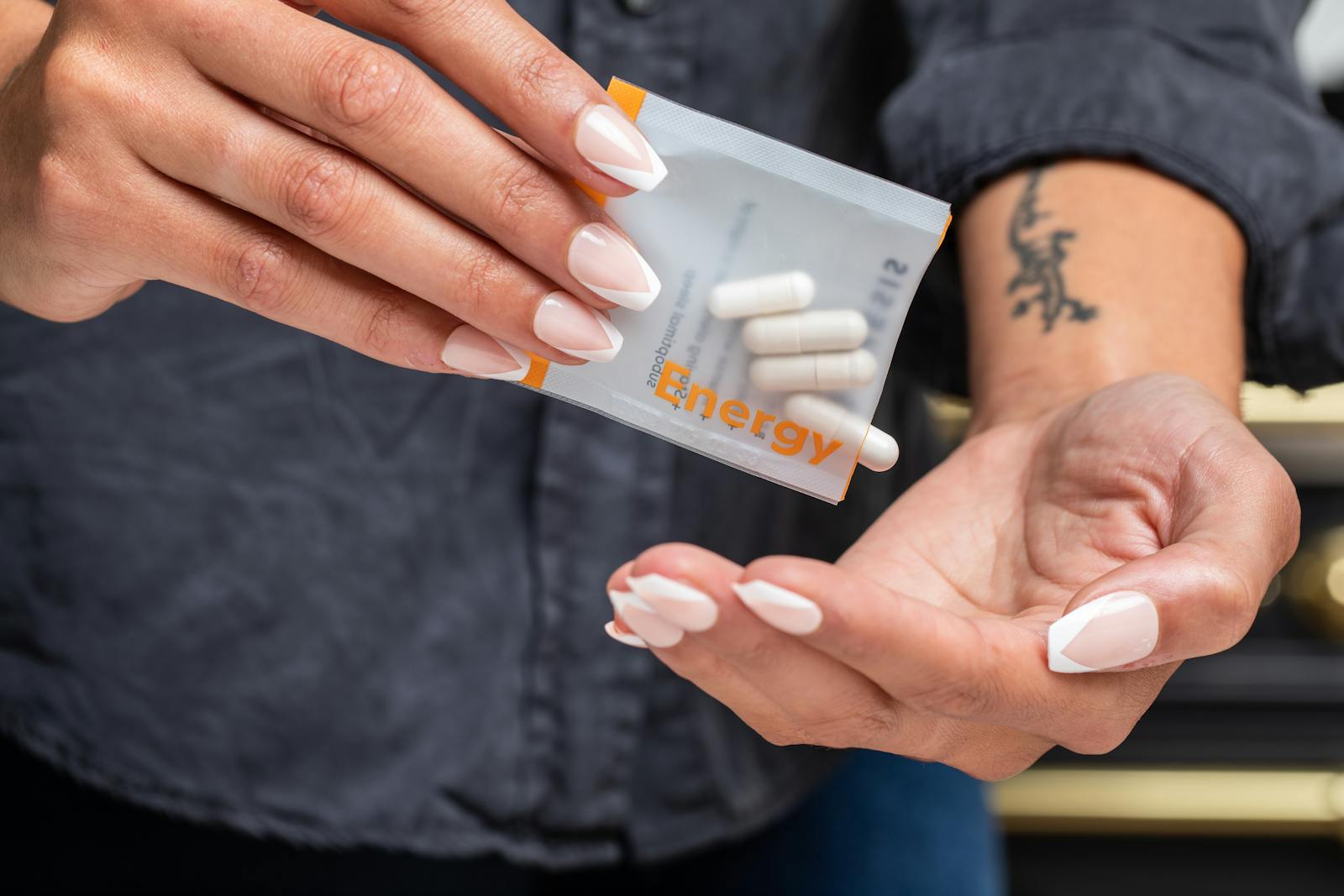
If you would like to see how one formula for women combines mimosa pudica, bearberry, cranberry extract, a probiotic blend and berberine, I have linked the one I came across below. The ingredient list gives the blend as a whole and not the amount of each, so check the label, and ask a pharmacist about the cautions above if you take regular medicine. My printable Supplement Safety Checklist, a product from my guides, helps you prepare your questions.
One thing I like about it is that it names each ingredient, so every one can be checked against the notes above.

Women’s wellness covers far more than bladder care, so if you would like to look at other options, I have put the popular supplement brands on a single page.
See Popular Supplement Brands!
Bladder Control Questions Women Ask
What is the best supplement for bladder control?
I know of none with trial evidence for leaks. If a blood test shows low vitamin D, correcting it is the step with the most support in the research above.
What can I take to stop an overactive bladder?
Prescription treatments exist for overactive bladder, and a doctor can choose among them after a check. Behavior steps such as bladder training and pelvic floor exercises are the usual first line, from general knowledge.
Do women’s probiotics help with UTIs?
The 2015 Cochrane review saw no significant reduction in recurrent UTIs with probiotics, but called the evidence low quality and could not rule out a benefit.
What causes bacteria in urine in women?
From general knowledge, bacteria can enter the urethra from nearby skin, and the shorter female urethra makes infection easier. Bacteria can also show up in urine without symptoms, and that does not always need treatment, so a doctor should interpret a urine test.
Is it safe to take bearberry every day?
No. The EMA monograph says not to use it for more than one week, and not with kidney disorders.
What to Look for on the Label
Does the label give the amount of each ingredient, or only a proprietary blend total? Is bearberry in a product meant for daily use, which the EMA monograph does not support? Does the page promise to “target harmful bacteria” or “stop leaks”, which no trial supports? Does it rely on bonus ebooks, a guarantee or customer counts instead of data?
My dose vs product dose guide shows how to compare a label with the amounts used in studies, and my proprietary blend estimator helps when only a blend total is given.
