




















This article was written and reviewed by Serge, MSc. Leveraging expertise in Biochemistry, Biogeochemistry and Chemical Quality Control, I share insights based on published research to help readers better understand the potential benefits and limitations of supplement ingredients.
Affiliate disclosure: This site has affiliate links, including Amazon. As an Amazon Associate I earn from qualifying purchases, at no extra cost to you.

Some mornings start with a little “ouch” in the knees or hips. Maybe it’s climbing stairs, bending to tie shoes, or sitting at your desk too long, those small movements can suddenly feel heavy. Stiff joints don’t just slow you down, they can make your whole day feel off balance.
There are ways to support joint comfort that don’t involve harsh medications or complicated routines. Curcumin (Curcuma longa) and quercetin (Sophora japonica) are plant-based compounds that have been part of traditional diets for centuries.
Understanding how these ingredients work and how to include them in your routine can make moving, stretching, and daily activities feel smoother over time.
Curcumin
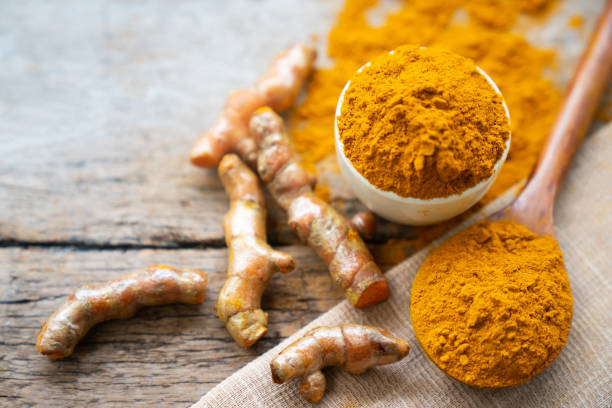
Curcumin is the golden-yellow compound found in turmeric, a root often used in curries, teas, and health drinks. Beyond its color and flavor, curcumin has been studied for its role in supporting joint comfort and everyday movement.
Research highlights that curcumin works mainly through its antioxidant and anti-inflammatory properties, helping the body manage oxidative stress and mild inflammation, factors that can make joints feel stiff or sore (Hewlings & Kalman, 2017).
Modern supplements often include different forms of curcumin to improve absorption and effectiveness:
Curcumin I – A strong antioxidant that helps protect joint tissues from everyday stress.
Curcumin II – Formulated for better bioavailability, so the body can absorb it more efficiently.
Curcumin III – Supports smooth movement and daily flexibility.
These forms work together to help joints feel more ready for activity, making everyday movements like bending, stretching, or reaching feel easier and more comfortable.
Quercetin
Quercetin is a natural flavonoid found in the Japanese pagoda tree (Sophora japonica). One of its key roles is enhancing the absorption of curcumin, making it more bioavailable and effective in the body. By improving curcumin uptake, quercetin helps ensure that the beneficial compounds can reach tissues and cells where they are needed.
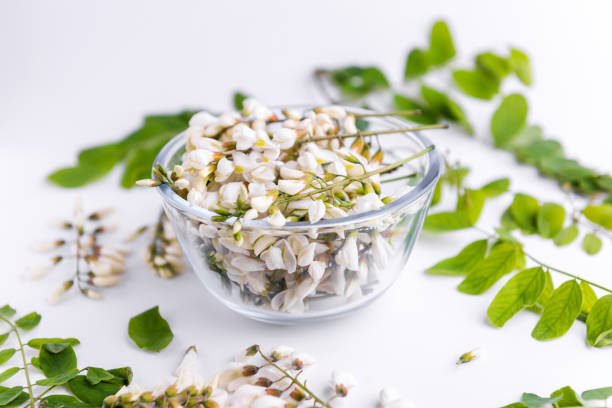
Beyond supporting absorption, quercetin itself has a range of biological activities. It acts as a strong antioxidant, neutralizing free radicals and reducing oxidative stress in cells. It also exhibits anti-inflammatory effects, helping to modulate inflammatory pathways that could otherwise contribute to tissue damage.
These properties make quercetin a valuable compound not only for boosting curcumin’s effects but also for contributing independently to overall tissue health, cellular protection, and antioxidant balance (Aghababaei & Hadidi, 2023).
Other Plant-Based Helpers
Nature doesn’t stop at curcumin and quercetin. Several other botanicals have been traditionally used to support joint comfort:
Ginger (Zingiber officinale) – Often included to ease stiffness and maintain fluid movement.
Green tea (Camellia sinensis) – Provides antioxidants that help protect tissues.
Boswellia (Boswellia serrata) – Supports joint mobility and has been used in traditional herbal medicine.
Together, these compounds provide a gentle, plant-based foundation for daily joint support.
Simple Habits That Complement Natural Support
Natural compounds work best alongside consistent, practical habits:
Movement
Regular movement keeps joints flexible and muscles strong. Activities such as walking, stretching, yoga, or light resistance exercises increase blood flow, reduce stiffness, and maintain healthy cartilage.
Consistent movement also supports balance, coordination, and overall joint health, helping daily activities feel more comfortable and reducing the risk of injury over time.
Balanced nutrition
Eating a variety of fruits, vegetables, nuts, seeds, and whole grains provides essential vitamins, minerals, and antioxidants that support tissue repair and reduce inflammation.
A nutrient-rich diet strengthens muscles, bones, and connective tissues, complementing natural compounds like curcumin and quercetin, and promotes long-term joint comfort and overall well-being.
Hydration
Drinking sufficient water is essential for joint health, as it helps maintain cartilage elasticity and natural lubrication within the joints.
Proper hydration supports nutrient transport to cells, helps flush out toxins, and reduces friction in moving parts. Staying hydrated consistently contributes to smoother movement and reduces stiffness throughout the day.
Posture awareness
Maintaining good posture reduces strain on muscles, ligaments, and joints. Proper alignment while sitting, standing, or lifting helps distribute weight evenly, preventing unnecessary stress that can lead to discomfort or injury. Being mindful of posture improves balance, supports natural joint function, and makes daily movements easier and more efficient.
Even small, steady changes can complement plant-based support, making daily activities feel easier.
All the natural compounds listed above are powerful on their own, but pairing them makes them more effective. Consistently including curcumin and quercetin in your diet or through supplements can help maintain flexible, comfortable joints, making everyday movements easier and less stressful.
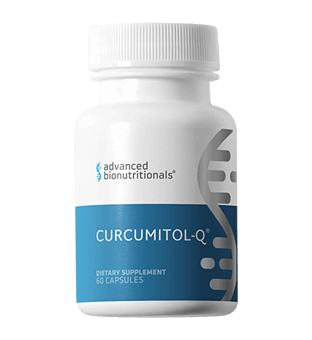
For practical, consistent support, supplements that combine different forms of curcumin with quercetin, such as Curcumitol-Q, provide a convenient way to include these compounds daily.
Curcumitol-Q ensures steady absorption, helping joints feel supported as part of a natural, balanced routine. It’s a helpful addition alongside movement, hydration, and nutrition.
Conclusion
Joint stiffness and tightness can subtly affect every part of daily life. Curcumin and quercetin work together to support smoother movement and maintain flexibility, making tasks from walking to bending more manageable.
When paired with supportive habits, gentle exercise, hydration, and balanced nutrition, these compounds can help sustain comfortable joint movement over time.
For consistent daily support, a supplement like Curcumitol-Q can make it easier to integrate these compounds into your routine.
Supporting joint health naturally doesn’t need to be complicated. With the right ingredients, steady habits, and practical supplementation, movement can feel easier, helping maintain energy and mobility every day.
Frequently Asked Questions
Can curcumin and quercetin be taken together?
Yes. Quercetin enhances curcumin absorption, so pairing them is more effective than taking either alone.
How long until effects are noticed?
Some people notice subtle improvements within a few weeks. For most, consistent intake over a couple of months provides the best results.
Are these safe for daily use?
Curcumin and quercetin are naturally found in foods. Supplements formulated for daily intake are generally considered safe for adults.
Can these compounds support overall wellness?
Yes. Beyond joint comfort, curcumin and quercetin support tissue health and antioxidant balance, complementing daily nutrition and activity.
