





















This article was written and reviewed by Serge, MSc. Leveraging expertise in Biochemistry, Biogeochemistry and Chemical Quality Control, I share insights based on published research to help readers better understand the potential benefits and limitations of supplement ingredients.
Affiliate disclosure: This site has affiliate links, including Amazon. As an Amazon Associate I earn from qualifying purchases, at no extra cost to you.

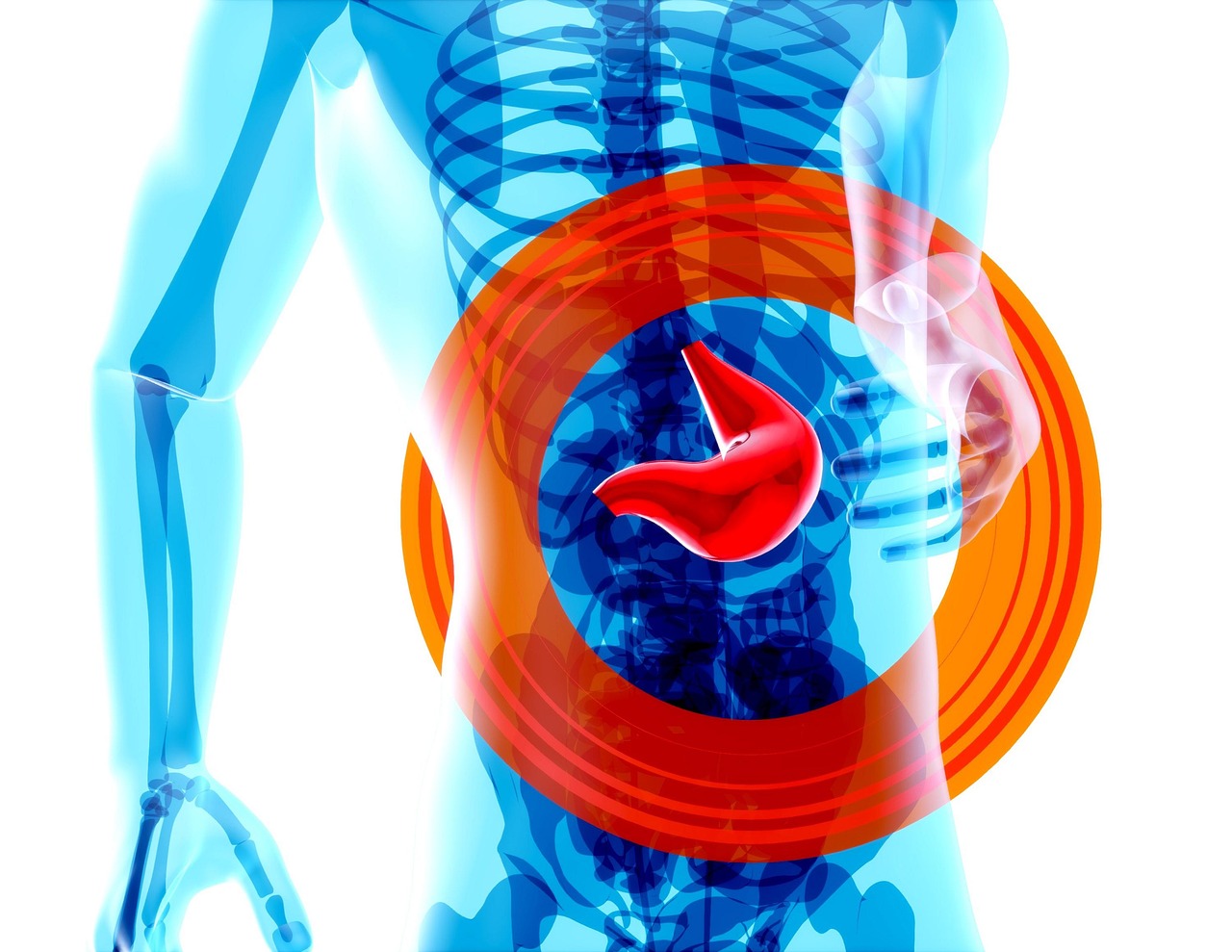
When people talk about joint health, it almost always jumps straight to supplements. Pills. Capsules. Powders. And sure, those products exist, but many of the molecules researchers study in joint biology actually come from everyday plants. Some of them are sitting in your kitchen shelf, believe it or not.
Plants make a lot of different chemicals. Over millions of years, they have developed ways to produce compounds called secondary metabolites. These are not for growth like sugar or proteins. Instead, they help the plant survive.
Some protect against microbes, some stop insects from eating the plant, and some block UV light. Many of these chemicals are also studied by scientists to see how they interact with joint tissues at the molecular level..
Your Joints Do a Lot More Than You Think
We often think of joints as simple parts that just help us move. But there’s more going on.
The cartilage in our joints, which cushions the bones, is mostly made of type II collagen. It forms a strong, organized network. Inside this network are proteoglycans, molecules that hold water and give cartilage its flexibility.
Then there are chondrocytes, the cells in the cartilage. These cells are constantly active, making and remodeling the cartilage. They respond to stress, chemical signals, and other molecules in the tissue. Beneath the cartilage, the subchondral bone adapts to the load on the joint. Around the joint, the synovial membrane produces fluid that keeps everything moving smoothly.
This shows that joints are not just passive. They are living, active systems. Some molecules from everyday plants can interact with these systems in lab studies, all because of their chemical structure.
Turmeric (Curcuma longa)
Turmeric does more than just flavor food; it acts as a protector for your joints. The main active parts, called curcuminoids, have a unique chemical structure that allows them to interact with our bodies in a very specific way.
According to research by Gupta et al. (2012), curcumin is a “multitargeting” molecule.
This means it can help your joints through several different pathways at once:
Stopping Joint Irritation: When joints are stiff or sore, the body produces specific proteins (like COX-2 and TNF-α) that cause swelling. Curcumin acts like a master key that fits into these proteins and prevents them from causing further irritation.
Saving the Cartilage: Curcumin can bind to enzymes that usually wear down the “cushion” (cartilage) in your joints. By attaching to these enzymes, it keeps the joint surfaces smooth and healthy.
Because it can target so many different areas at the same time, curcumin is a natural way to help your joints feel more flexible and less painful.

Ginger (Zingiber officinale)
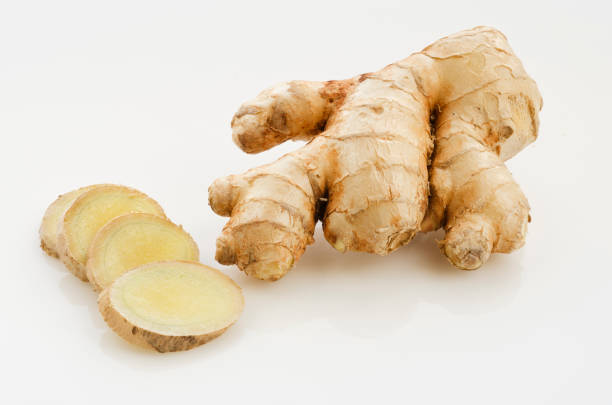
Ginger is another one I can’t stop thinking about. Fresh ginger root is knobby, slightly fragrant, and warm. Its rhizomes contain gingerols and shogaols, which are phenolic compounds with aromatic rings and hydroxyl groups. In plants, these molecules act like a shield against stress and germs, but in our kitchen, they are “chemical warriors” for our joints.
Recent research by Szymczak et al. (2024) found that these compounds have a high “anti-arthritic” potential. In the lab, these molecules were shown to protect the cartilage and connective tissues in our joints by blocking the signals that cause pain and swelling.
The study highlighted that ginger acts as a natural anti-inflammatory that helps maintain joint flexibility and protects the “cushioning” in your joints from wearing down. Interestingly, the research also noted that when ginger is dried or heated, the gingerols turn into shogaols, which can be even more effective at calming long-term joint discomfort.
Boswellia (Boswellia serrata)
Boswellia serrata, also known as Indian frankincense, produces a thick resin filled with boswellic acids. In nature, the plant uses this resin as a “liquid bandage” to seal wounds. In our bodies, these same molecules act as a precise defense system for our joints.
According to the 2023 research by Ragab et al., these acids are highly specialized “anti-arthritic” agents. The study found that:
The Perfect Fit: Boswellic acids act like a specialized key for our joints. The researchers found that a specific part of the molecule (the 11-keto group) is what allows it to fit perfectly into the body’s “locks” to stop pain and swelling.
Targeted Relief: Unlike some general treatments, Boswellia specifically targets the pathways responsible for joint pain, muscle soreness, and even gout. It physically binds to enzymes that cause joint destruction.
Protecting the Tissue: By calming the “lipid signals” that trigger swelling in our connective tissues, Boswellia helps protect the delicate structures in our hands, feet, and knees from breaking down.

Black Pepper (Piper nigrum)
Black pepper contains piperine, a unique alkaloid that gives pepper its pungent kick. While plants use alkaloids to defend themselves, in our bodies, piperine acts as a specialized tool that changes how we absorb nutrients.
According to the review by Stojanović-Radić et al. (2019), piperine is a “therapeutic powerhouse” for joint health. The research highlights two main ways it helps:
The Bioavailability Enhancer: The most remarkable thing about piperine is its ability to increase the availability of other nutrients. It acts like a gatekeeper in the gut, temporarily slowing down the enzymes that would normally break down curcumin from turmeric. This allows the joint-supporting “keys” to stay in your system much longer and work more effectively.
Direct Joint Support: Beyond helping other spices, piperine has its own anti-arthritic effects. It helps reduce the redness, swelling, and pain in joints by calming the chemical signals that cause irritation in connective tissues.

Bromelain (Ananas comosus)
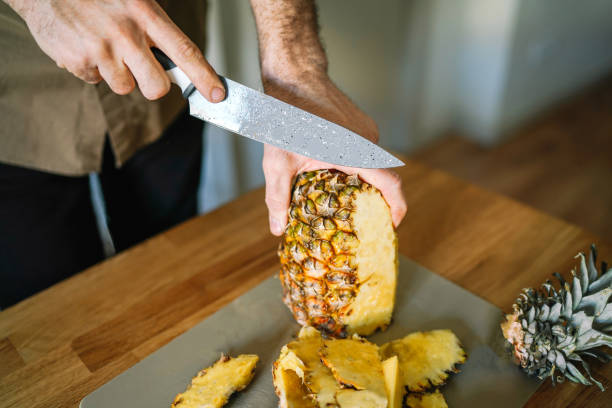
Bromelain comes from pineapple stems (Ananas comosus). It’s a mix of proteases, enzymes that cut proteins into smaller pieces. In the plant, proteases defend and remodel tissue.
Connective tissues are protein-rich, mainly collagen. Proteolytic enzymes are studied for how they interact with these protein networks. I often picture them as tiny molecular scissors, snipping at the protein matrix in a controlled lab setting.
Conclusion
Your kitchen is full of chemical treasures. Turmeric, ginger, frankincense, black pepper, and pineapple all have molecules shaped by millions of years of evolution. Their specific shapes like rings and chemical groups determine exactly how they work in scientific studies.
Joint tissues are living systems, too. They are made of collagen networks and water-filled cushions. Studying plant molecules in labs shows us how their structure fits our biology like a key in a lock. This research proves these ingredients can physically bind to the signals that cause joint stiffness and discomfort.
Looking at plants this way makes a simple kitchen ingredient feel extraordinary. When you see these molecules as “biological tools,” a sprinkle of spice becomes a way to support your body’s natural strength.
FAQs
