







This article was written and reviewed by Serge, MSc. Leveraging expertise in Biochemistry, Biogeochemistry and Chemical Quality Control, I share insights based on published research to help readers better understand the potential benefits and limitations of supplement ingredients.
Affiliate disclosure: This site has affiliate links, including Amazon. As an Amazon Associate I earn from qualifying purchases, at no extra cost to you.
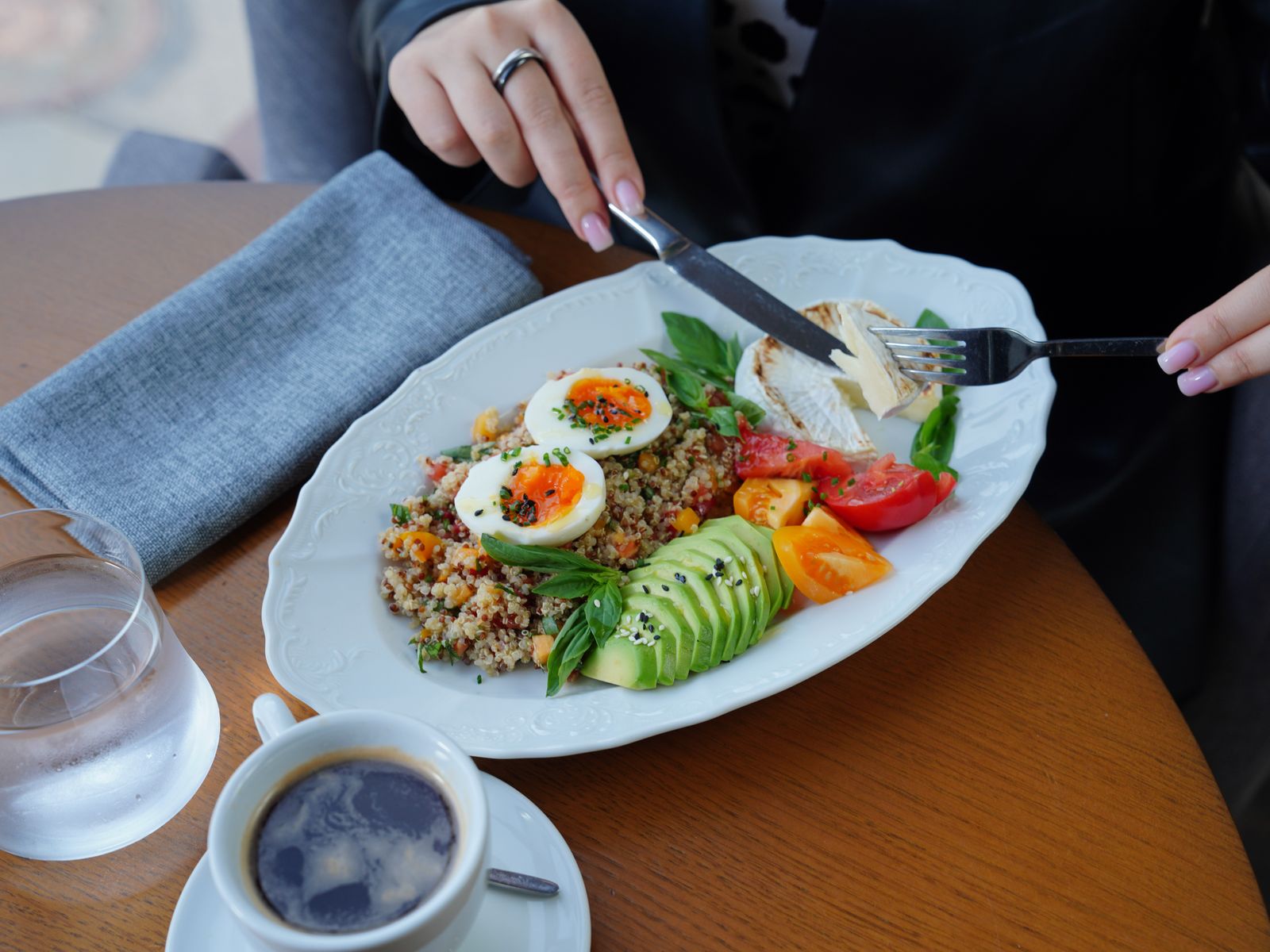
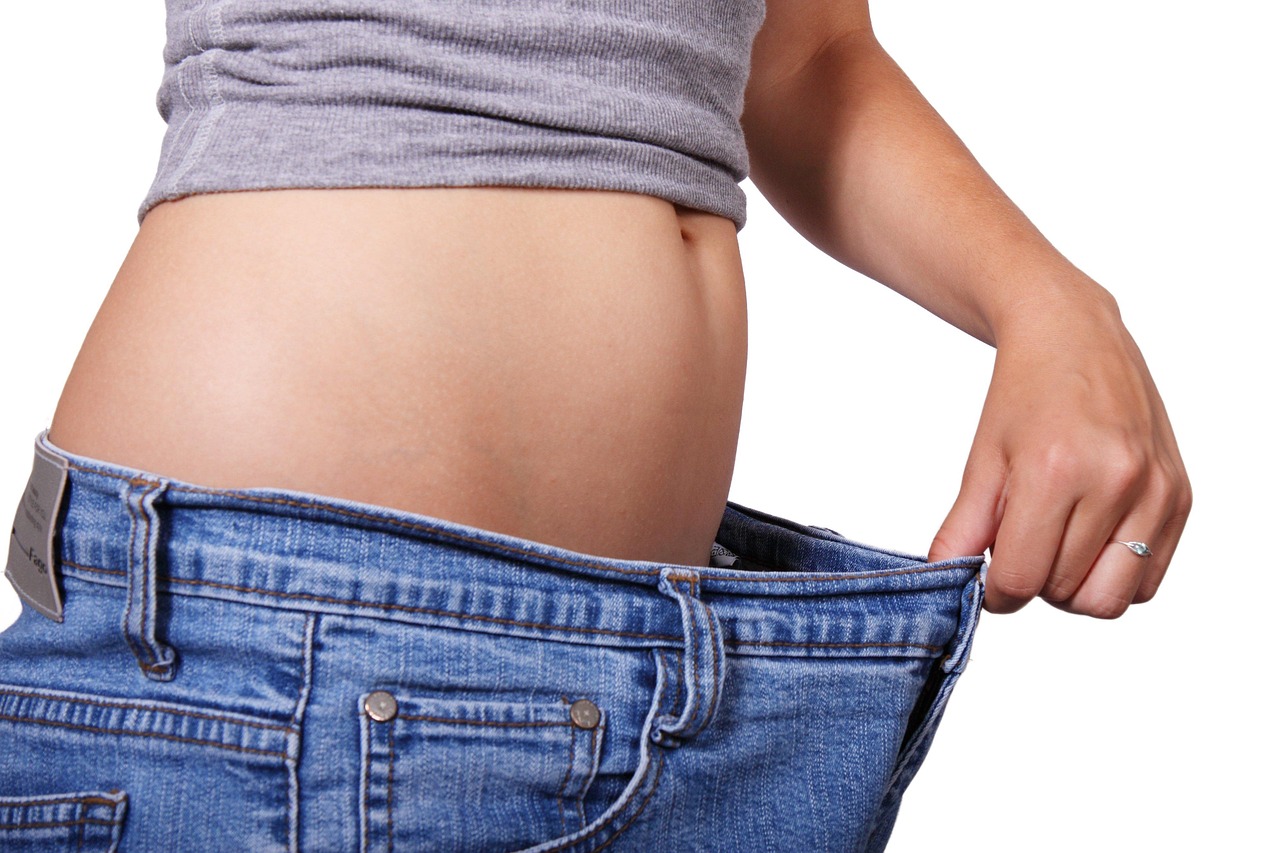
Weight loss is not about starving yourself, and it is not about foods that magically melt fat, because no food does that.
What certain foods do is far more useful and far more real: they keep you full for longer, steady your energy, and make it easier to eat less without feeling deprived. That is the actual mechanism, and once you understand it, the food choices stop being mysterious.
I look at food the way I look at any ingredient, by what it does and how it behaves in the body rather than by the promise on the label. So this is not a list of fat-burners. It is a list of foods that work with your appetite instead of against it, plus a note on where supplements fit and where they do not.
Why the Right Foods Make Weight Loss Easier
The reason food choice matters so much for weight is appetite, not some special calorie-destroying property. Protein, fibre, and healthy fats all slow digestion and blunt hunger, so you feel satisfied on less. Steadier blood sugar means fewer crashes and fewer cravings an hour later.
The opposite foods, sugary drinks, fried food, and refined snacks, do the reverse. They spike and drop your energy and leave you reaching for more. So the goal is not cutting everything out. It is making the filling, steadying foods the regular base of your day.
Foods That Help You Eat Less Naturally
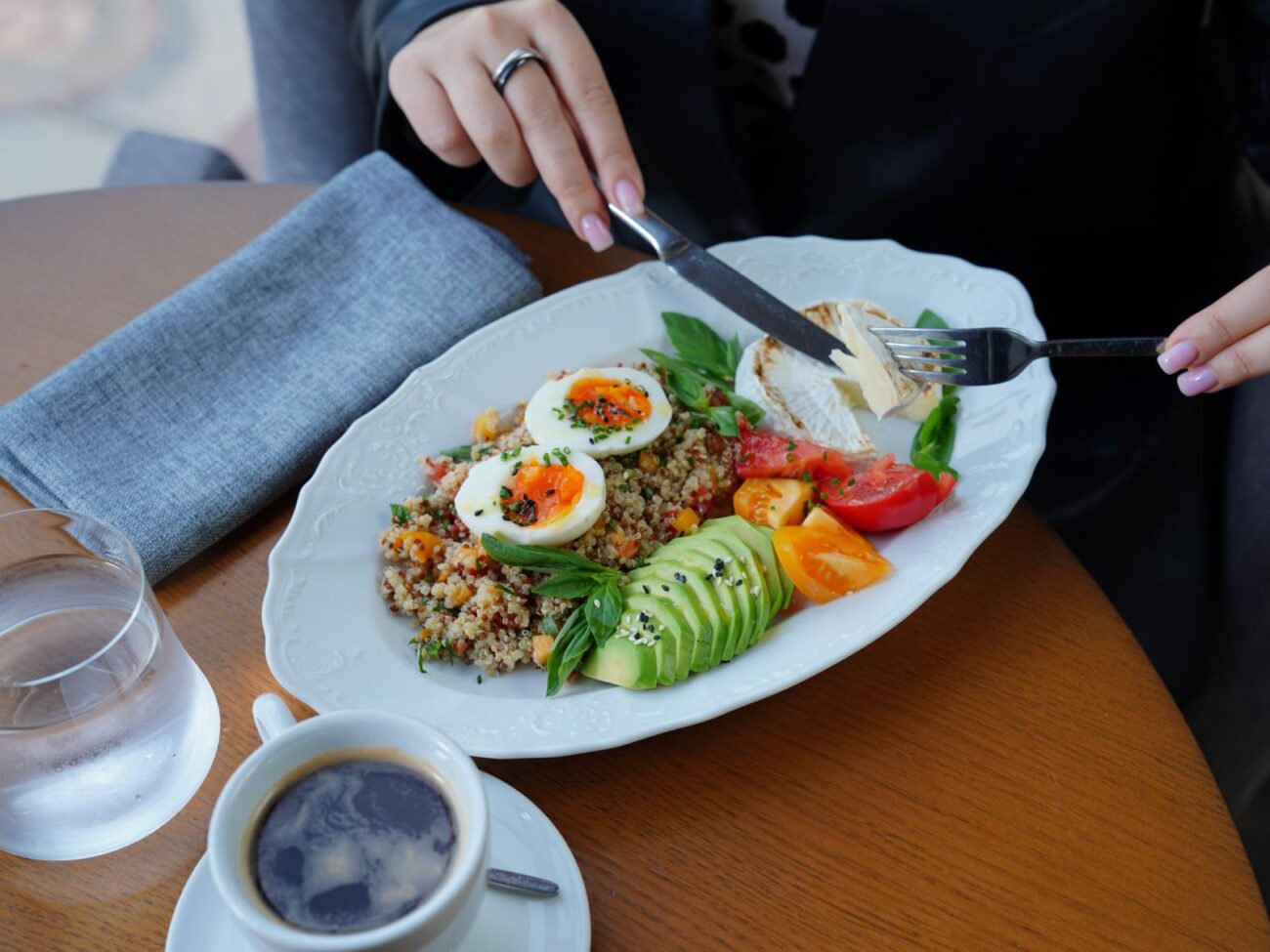
Eggs are a simple, high-protein start to the day. A protein-rich breakfast tends to reduce snacking later, which is the whole point. Boiled when you are busy, scrambled with herbs when you are not.
Leafy greens like spinach and kale add bulk and fibre for very few calories, so a plate looks and feels bigger without much energy behind it. Into a smoothie, or sautéed with garlic as a side.
Chicken breast and lean meats are easy to prepare ahead and high in protein, which supports fullness and helps preserve muscle while you eat less. Turkey or lean beef do the same job.
Fish such as salmon gives you protein plus omega-3 fats, and it feels like a proper meal rather than a diet food. Tuna with lemon is the lighter version.
Beans and lentils are an affordable, plant-based source of protein and fibre together, which is why a bowl can keep you full for hours and helps steady blood sugar so you avoid crashes.
Whole grains like oats, brown rice, and quinoa release energy more slowly than refined carbs, so they hold off hunger through the morning or afternoon and make consistency easier.
Berries satisfy a sweet craving with far less sugar than most snacks, and their fibre helps with fullness. Blueberries in yogurt, or strawberries on their own.
Nuts and seeds bring healthy fats and a little protein, so a small handful takes the edge off hunger and gives lasting energy. Keep the portion small, since they are energy-dense.
Greek yogurt and fermented foods are high in protein and keep you full between meals, with probiotics that support digestion. Top it with berries or a few nuts.
Green tea (Camellia sinensis) is a calming, near-zero-calorie swap for a sugary afternoon drink. Its catechins are studied for a mild effect on metabolism, though the effect is modest and you should treat it as a pleasant habit, not a weight-loss tool in itself.
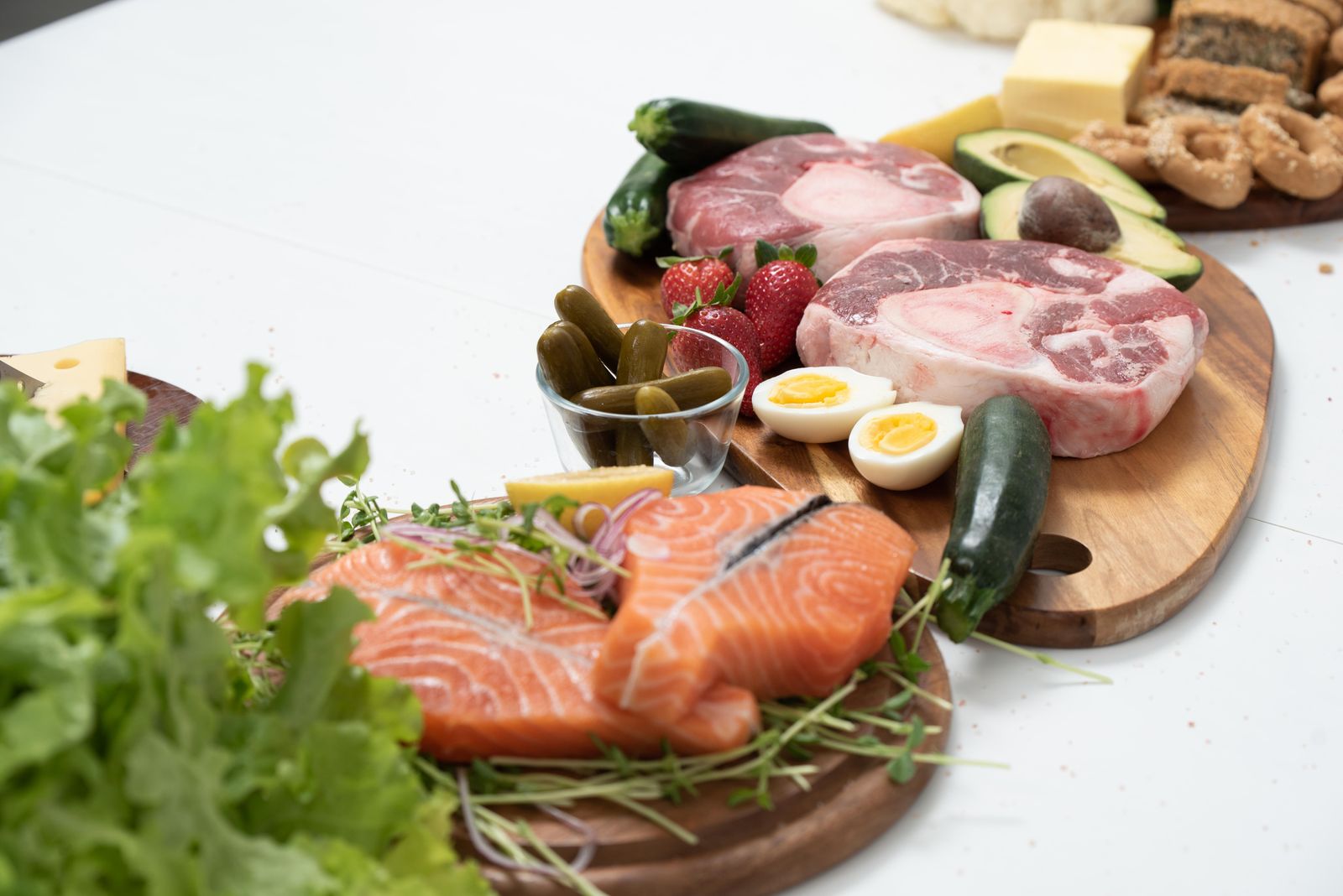
A Simple Day of Meals
Breakfast: an omelette with spinach and a side of berries.
Snack: Greek yogurt with chia seeds.
Lunch: grilled chicken breast with quinoa and broccoli.
Snack: a small handful of walnuts.
Dinner: salmon with roasted vegetables.
Through the day: water, and green tea if you like it.
The point of a day like this is not any single food. It is that protein and fibre show up at every meal, so you stay full and are less likely to overeat later.
Where Supplements Actually Fit
Supplements do not cause weight loss, and it is worth being clear-eyed about that, because the weight-loss supplement market is built on claims the evidence rarely supports. What a few can do is make a good diet slightly easier to stick to.
Protein powder is a convenient way to hit a protein target when whole-food protein is hard to reach, which can help with appetite control. Fibre supplements can add fullness if your diet runs low on fibre, though whole foods are the better source.
Beyond those, most products marketed for fat loss have weak or mixed evidence, and some, including many labelled as metabolism boosters, do very little. Spend your effort on the food first.
Foods and Drinks to Limit
Some things make eating less genuinely harder. Sugary drinks give calories with no fullness at all. Fried foods and refined carbs like white bread, cookies and chips spike and drop your energy.
Alcohol in excess adds calories and tends to loosen your food choices. None of these need to vanish completely, but keeping them occasional makes everything else work better.
Common Questions
Do any foods actually burn fat?
No. That is a myth worth dropping. Foods help with weight loss by keeping you full and steadying your energy so you eat less overall. The word “fat-burning” sells products, but no food meaningfully burns fat on its own.
Which foods keep you full the longest?
High-protein foods like eggs, lean meats, fish, and Greek yogurt, and high-fibre foods like beans, lentils, and whole grains. Protein and fibre together are the most filling combination.
Can supplements replace meals for weight loss?
No. Whole food stays the foundation. A protein or fibre supplement can fill a specific gap, but the core of any sustainable plan is what is on your plate.
Are healthy fats bad when trying to lose weight?
No, in sensible portions. Nuts, seeds, avocado and fish add satiety and steady energy. They are energy-dense, so portion size matters, but cutting fat out entirely is not the goal.
Is green tea a weight-loss drink?
Treat it as a low-calorie swap for sugary drinks rather than a weight-loss tool. Its effect on metabolism is real but small, so the main benefit is replacing something worse with something calming and calorie-free.
Disclaimer: This article is for education, not medical or dietary advice. Weight and nutrition are personal, and if you have a health condition, take medication, or are planning a significant change to how you eat, speak with a doctor or a registered dietitian first.
