


















This article was written and reviewed by Serge, MSc. Leveraging expertise in Biochemistry, Biogeochemistry and Chemical Quality Control, I share insights based on published research to help readers better understand the potential benefits and limitations of supplement ingredients.
Affiliate disclosure: This site has affiliate links, including Amazon. As an Amazon Associate I earn from qualifying purchases, at no extra cost to you.

Hearing supplements are one of the fastest-growing corners of the supplement market, and one of the shakiest.
I get asked about them because they are packed with plant ingredients, which is my area, so I went through what is actually in these formulas and what the research genuinely shows.
I will be straight with you from the start: the evidence connecting most of these ingredients to better hearing is thin, and some of it is close to nonexistent. That does not mean the ingredients are useless as plants. It means the hearing claims run far ahead of the proof. Here is the honest breakdown.
Why the Inner Ear Is Even in This Conversation
There is a real reason antioxidants and circulation ingredients get proposed for hearing, so let me give the honest mechanism before I start knocking down the claims.
The cochlea, the part of the inner ear that turns sound into nerve signals, is one of the most energy-hungry tissues in the body, and it depends on a tiny blood supply. Because of that, it is genuinely vulnerable to oxidative stress and poor circulation, which is something I studied from the plant-stress and ecotoxicology side, where oxidative damage to cells is a central theme. So the idea that antioxidants or blood-flow support might protect delicate cochlear cells is not crazy in principle.
The problem is the gap between “plausible in principle” and “shown to work in people.” That gap is where most hearing supplements live.
Maca, Grape Seed, Green Tea, and the Rest
Here is where I have to be the scientist rather than the salesperson, because the studies behind these ingredients mostly are not about hearing at all.
Maca (Lepidium meyenii) is studied for exercise energy and endurance, not hearing. The hearing angle is a chain of reasoning: maca may support cellular energy, the cochlea needs energy, so maybe it helps. That is a hypothesis, not a finding, and there are no human hearing trials behind it.

Grape seed extract (Vitis vinifera) is rich in proanthocyanidins, which are real antioxidants, but the human research is on heart and liver markers, not ears. Any hearing benefit is assumed from its antioxidant activity, not demonstrated.

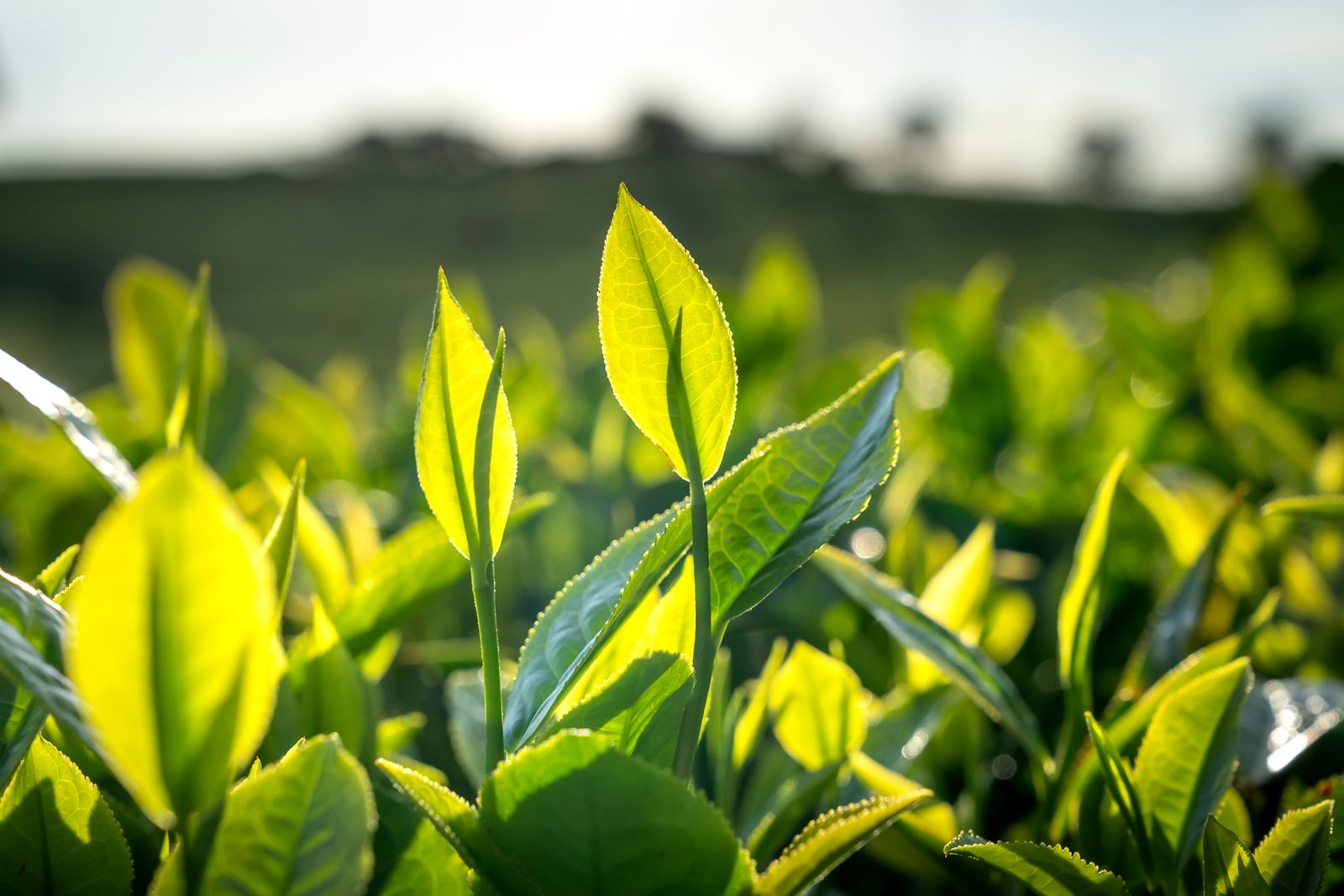
Green tea (Camellia sinensis) supplies catechins that support circulation and act as antioxidants. That is genuine, but again the leap to protecting hearing is not backed by solid human hearing studies.
Cayenne (Capsicum annuum) and gymnema (Gymnema sylvestre) are the weakest of all here. Cayenne is included on an anti-inflammatory theory with no hearing evidence, and gymnema is best known for blood sugar and taste, with its cited research being about inflammation and tumors in animals. Its presence in a hearing formula is hard to justify from the science.

GABA is a calming neurotransmitter, and the honest link is indirect: stress and poor sleep can worsen how people perceive ear problems like tinnitus, so calming the nervous system might help the experience rather than the hearing itself.
In my quality-control training, the first habit you build is checking whether a study actually measured the thing being claimed. Run that check here and most of these ingredients fail it, not because they are bad plants, but because the research cited was measuring something else entirely.
The Ingredients With the Most Hearing Research Usually Are Not in These Sprays
This is the part I find most telling, and it is worth knowing if you are comparing products.
The ingredients with real hearing research behind them are a different list. Antioxidants like N-acetylcysteine and alpha-lipoic acid have shown some protection of cochlear cells against noise damage, mostly in animal studies with limited human data. Ginkgo biloba is the single most-studied hearing supplement, and even it showed little to no effect on tinnitus in a large Cochrane review, rated as very low certainty evidence.
So the takeaway is not what the marketing suggests…
Even the best-researched hearing ingredients have weak or failed evidence, and many popular hearing formulas do not contain those best-researched ones at all. When the antioxidant supplement trials in tinnitus patients are looked at directly, the results are limited and conflicting, with some showing a small effect and others none. That is the current state of the science, and no marketing spray changes it.
What Actually Matters If Your Hearing Is Changing
I want to be clear here, because this is the part that genuinely matters more than any ingredient.
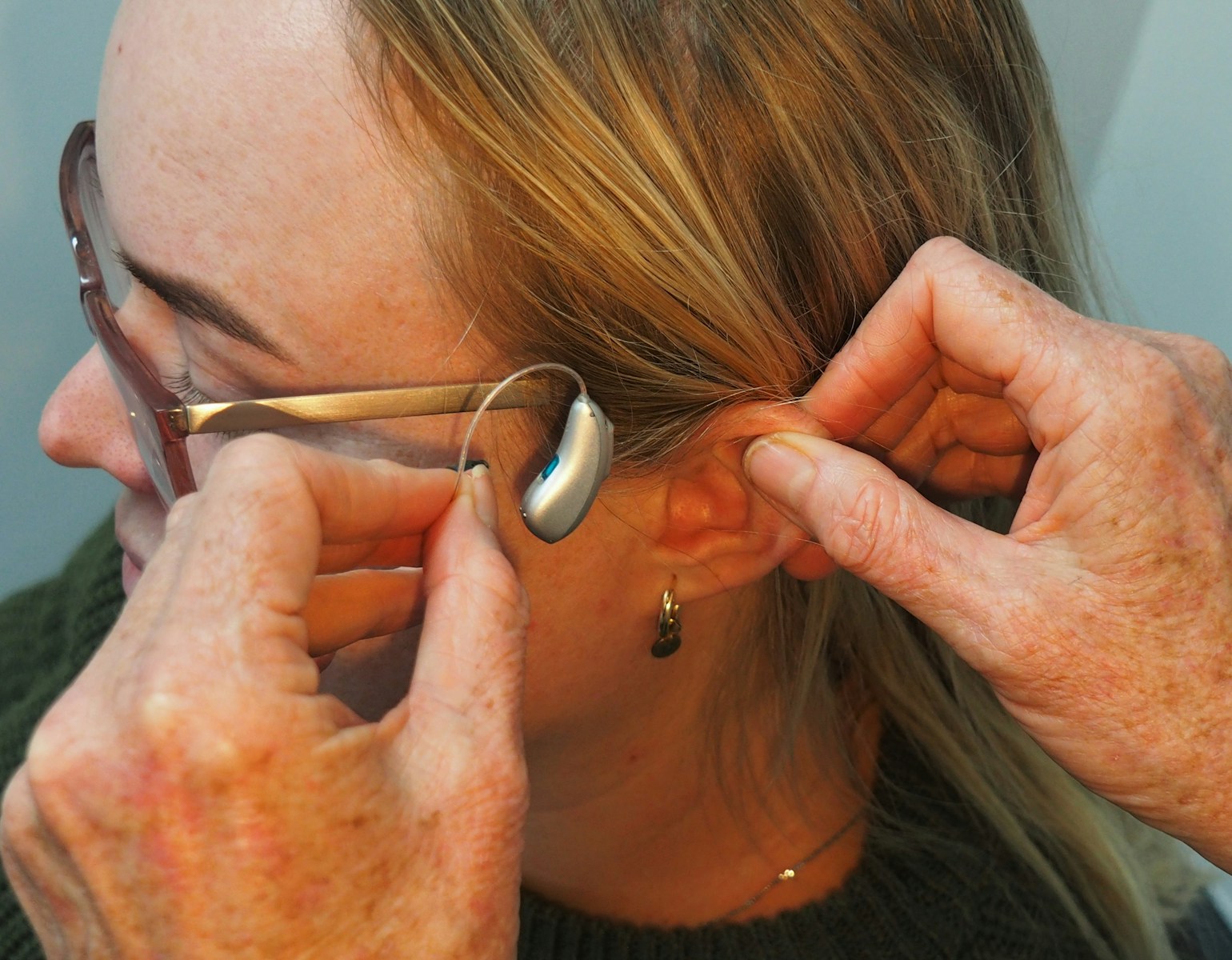
If your hearing is changing, whether it is coming on suddenly or creeping in slowly, that is a reason to see a doctor or an audiologist, not to buy a spray. Hearing changes can come from something as simple as earwax or as serious as nerve damage, and some causes are treatable if caught early.
Sudden hearing loss in particular is treated as a medical urgency. No supplement substitutes for having the actual cause identified by someone who can look.
The sensible role for diet here is the ordinary one: a diet with enough antioxidants, decent circulation from staying active, protecting your ears from loud noise, and managing conditions like high blood pressure and diabetes that affect the small blood vessels the cochlea depends on. Those do more for long-term hearing than any of the ingredients above.
Common Questions
Do hearing supplements actually restore hearing?
No. There is no good evidence that these supplements restore lost hearing, and lost hearing from damaged cochlear cells does not come back from a supplement. The honest framing is possible support for general ear-related wellness at best, not repair.
Is there any ingredient with real hearing evidence?
The most-studied is ginkgo, and even that showed little to no effect for tinnitus in a large review. Antioxidants like NAC and alpha-lipoic acid have some protective data against noise damage, mostly in animals. None of it is strong, and it is mostly about protection, not improvement.
Why do these products cite so many studies then?
Because the studies are usually about the ingredient doing something else, like maca for exercise or grape seed for heart health, and the hearing link is assumed rather than tested. Checking whether a cited study actually measured hearing is the quickest way to see through a hearing-supplement claim.
What should I do if my hearing is getting worse?
See a doctor or audiologist. Causes range from earwax to treatable medical conditions, and some are time-sensitive. A professional can find the actual cause, which a supplement cannot.
Can diet help my hearing at all?
Indirectly, yes. Antioxidant-rich food, staying active for circulation, protecting your ears from loud noise, and managing blood pressure and blood sugar all support the small blood vessels the inner ear relies on. That is where the real, if modest, dietary role sits.
Some people still like to try a plant-based formula in this area. Audifort is one such option, though based on everything above I would keep expectations realistic and, more importantly, see a professional about any real change in your hearing.
The link above is an affiliate link. If you buy through it I may earn a small commission at no extra cost to you.

