















This article was written and reviewed by Serge, MSc. Leveraging expertise in Biochemistry, Biogeochemistry and Chemical Quality Control, I share insights based on published research to help readers better understand the potential benefits and limitations of supplement ingredients.
Affiliate disclosure: This site has affiliate links, including Amazon. As an Amazon Associate I earn from qualifying purchases, at no extra cost to you.
In my ecotoxicology training, one idea came before all the others: the dose makes the poison.
A substance is not safe or harmful on its own. It depends on how much enters the body, how the body handles it, and whether it builds up or clears out. I think about that every time I see the question, is vitamin B12 dangerous.
Because B12 is close to the textbook example of a compound your body clears rather than stores, and that single fact reshapes the whole answer.
So let me walk through what B12 does, why people worry about it, and where the real risk sits.
What Vitamin B12 Does
Your body cannot make B12 on its own. You get it two ways: from food, mostly animal products like eggs, fish, meat, and dairy, or from a supplement. That is why vegans and some vegetarians need to watch their intake closely.
B12 is tied into several processes you cannot do without. It keeps red blood cells healthy so you do not become anemic. It protects nerves, working a bit like insulation around wiring. It helps build and repair DNA. And it supports turning food into usable energy. When it runs low, these systems slowly start to falter.

Why B12 Gets Called Dangerous
From what I have seen, the fear comes from a few places.
The first is confusing B12 with other vitamins. People hear that too much vitamin A can damage the liver, too much D can throw off calcium, too much E can raise bleeding risk, and they assume B12 behaves the same way. It does not. B12 is water-soluble, so the body uses what it needs and passes most of the rest in urine. That is a large part of why no official toxic upper limit has been set for it.
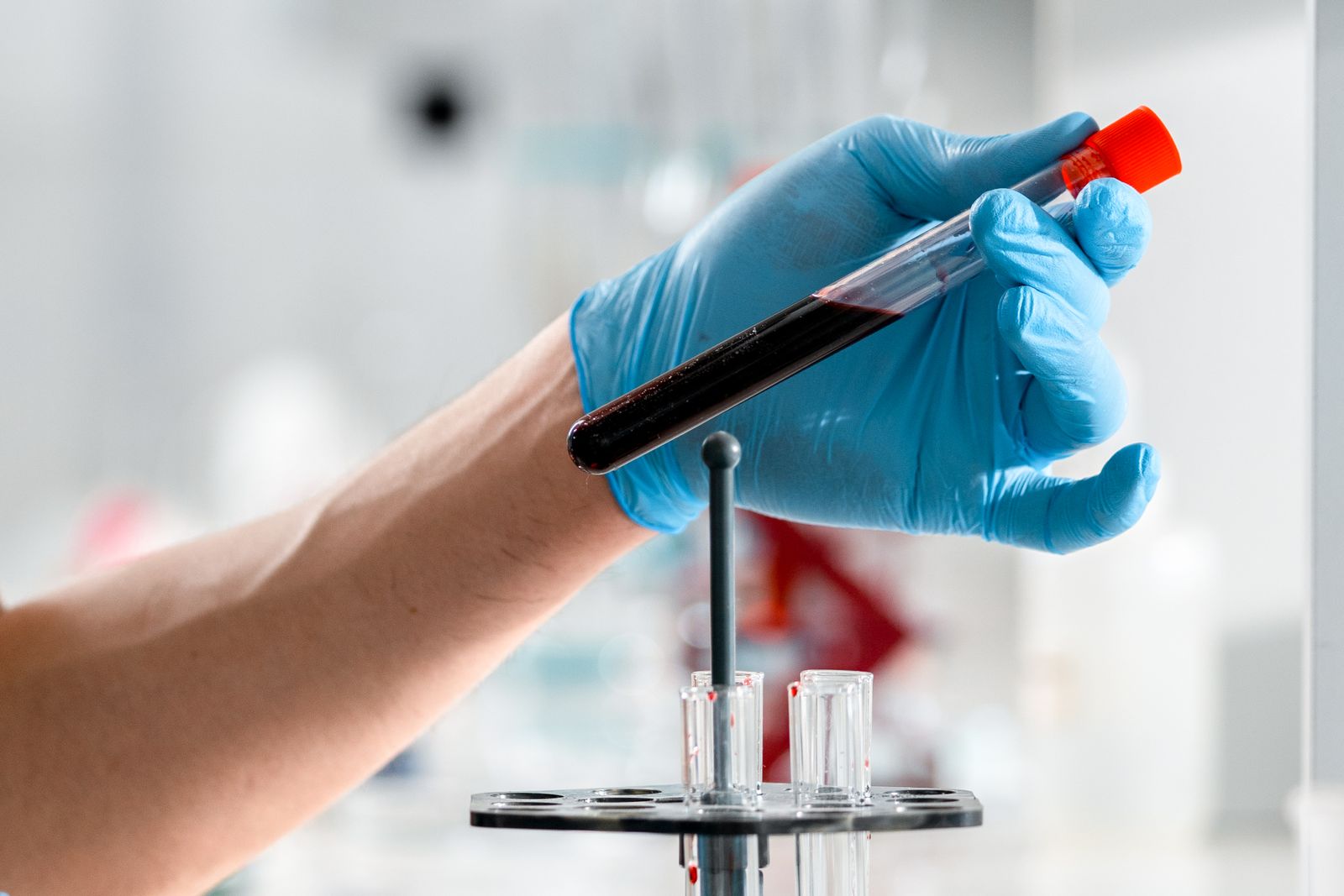
The second is a scary-looking blood test. Someone sees a high B12 reading, searches online, and finds articles linking high B12 to cancer or liver disease. This is where my background in quality control of chemical measurements is useful, because a single value is not a verdict. In measurement work you learn that a number only means something once you know what can push it up or down.
A high B12 reading is usually a signpost, not the problem itself. Liver conditions, kidney issues, and some cancers can raise B12 in the blood, which is why doctors investigate an unexplained high reading rather than treating the B12 as the cause.
The third is the internet effect. A phrase like “vitamin B12 is dangerous” plants a spark of doubt, people click and share, and the claim takes on a life of its own regardless of the evidence underneath it.
The Real Risk Is Deficiency
Here is the part that gets buried. B12 is far more of a problem when you do not have enough, and low B12 is more common than most people think.
A shortage can cause fatigue that sleep does not fix, tingling in the hands and feet, memory problems and brain fog, low mood, anemia, and nerve damage that may not fully reverse if it goes on too long. The tricky part is how slowly it creeps in, so people blame stress or age while their levels quietly fall.
Some groups carry more risk. Vegans and vegetarians, because unfortified plant foods do not supply B12. Older adults, because stomach acid tends to drop with age and that makes absorption harder. People with Crohn’s, celiac, or other gut conditions. Anyone who has had gastric bypass surgery.
And people on long-term medications such as metformin for diabetes or acid-reducing drugs, both of which can lower B12 over time. For these groups, ignoring B12 is the actual danger.
B12 Compared With Vitamins That Can Harm You
To put the worry in proportion, it helps to line B12 up against the vitamins that need real caution. Too much vitamin A can damage the liver and cause birth defects.
Too much vitamin D can push calcium too high and strain the kidneys and heart. High-dose vitamin E can thin the blood. These are fat-soluble or accumulate, so the dose-response curve turns sharply at the top end.
B12 sits at the opposite end. Excess is mostly excreted, which is why doctors can give very high doses to people who struggle to absorb it. Among the vitamins, it is one of the safest to supplement.
Where Caution Does Make Sense
To be fair, B12 is not a total free pass for everyone.
If someone has a sustained high B12 reading with no supplement to explain it, that is worth a proper check, not because the vitamin is harming them, but because it can point to a liver, kidney, or blood issue that deserves attention. There is also one area of real uncertainty in the research: some studies link very high circulating B12 to a modest rise in lung cancer risk.
This is not proven to be cause and effect, and work is ongoing, but it is a reason not to megadose without a need. On that note, there is early evidence that routinely taking 25 mcg a day or more may be linked to higher bone fracture risk, another reason to match your intake to your actual requirement.
There is also a rare inherited eye condition, Leber’s hereditary optic neuropathy, where one particular form of B12 may be inadvisable. It is uncommon, but worth knowing if it runs in your family.
For nearly everyone else, B12 is safe, and the more useful question is whether you are getting enough.
Common Questions
Does the form of B12 matter?
You will see cyanocobalamin and methylcobalamin on labels. Cyanocobalamin is cheaper and very stable, methylcobalamin is a form the body uses directly. For most people either works, though the form is one reason the rare Leber’s caution above is specific rather than general.
Can you get enough B12 from plants alone?
Not reliably. Unfortified plant foods do not supply usable B12, so plant-based eaters generally need fortified foods, such as some cereals or nutritional yeast, or a supplement.
How do I know if I am low?
A serum B12 test is the usual first step, but it does not catch everything. Markers like methylmalonic acid and homocysteine can reveal a shortage that a borderline B12 reading misses, which is why some doctors check them together.
Does cooking destroy B12?
B12 is reasonably stable, but prolonged high heat and long cooking can degrade some of it. This mostly matters for people already close to the edge on intake.
Can I take too much in a single dose?
Your gut can only absorb a limited amount at once through its normal route, so a large single dose is mostly passed through. Splitting a dose across the day absorbs more efficiently than one big tablet.
Disclaimer: This article is for education, not medical advice. If you are worried about your B12, the simplest step is to have your levels checked and talk it through with a doctor.
