This article was written and reviewed by
Serge, MSc.
Leveraging expertise in Biochemistry, Biogeochemistry and Chemical Quality Control, I share insights based on published research to help readers better understand the potential benefits and limitations of supplement ingredients.
Affiliate disclosure: This site has affiliate links, including Amazon. As an Amazon Associate I earn from qualifying purchases, at no extra cost to you.
Blood pressure is a critical component of your overall health, representing the force of blood against the walls of your arteries.
Maintaining healthy blood pressure levels is crucial to prevent serious health complications.
This comprehensive guide will cover everything you need to know about blood pressure, its measurement, potential health issues caused by high blood pressure, and natural ways to manage it effectively.
A- About Blood Pressure.
Blood pressure is measured in millimeters of mercury (mmHg) and includes two key figures:
– Systolic Pressure: This is the pressure in your blood vessels when your heart beats.
– Diastolic Pressure: This is the pressure in your blood vessels when your heart rests between beats.
For example, if you have a blood pressure reading of 140/90 mmHg, your systolic pressure is 140 mmHg, and your diastolic pressure is 90 mmHg.
Generally, blood pressure can be categorized as follows:
-Ideal Blood Pressure: Between 90/60 mmHg and 120/80 mmHg.
-High Blood Pressure (Hypertension): 140/90 mmHg or higher.
-Low Blood Pressure (Hypotension): Below 90/60 mmHg.
Understanding these categories can help you monitor your health effectively.
B- Causes of High Blood Pressure.
High blood pressure often develops gradually over time and can be caused by various factors:
– Unhealthy Lifestyle Choices: Lack of physical activity, poor diet, excessive alcohol consumption, and smoking can all increase your risk.
– Health Conditions: Conditions such as diabetes, obesity, and
kidney disease significantly elevate the risk of hypertension.
– Pregnancy: Some women may experience increased blood pressure during pregnancy.
C- The Dangers of High Blood Pressure.
High blood pressure is often referred to as a “silent killer” because it can lead to severe health complications without noticeable symptoms.
Here are some of the potential risks associated with hypertension:
1. Heart Disease and Heart Attack.
High blood pressure can damage your coronary arteries, leading to heart disease.
The reduction in blood flow may cause:
– Angina (Chest Pain): Insufficient blood flow to the heart can cause pain or discomfort.
– Heart Attack: A blockage can halt blood supply to crucial heart areas, causing the heart muscle to deteriorate.
– Heart Failure: This condition manifests when the heart cannot pump sufficient blood to meet the body’s needs.
2. Stroke and Cognitive Impairment.
Hypertension can lead to strokes by damaging blood vessels in the brain:
– Ischemic Stroke: Blockage of blood vessels may starve brain tissue of oxygen.
– Hemorrhagic Stroke: Weakened vessels may rupture, causing bleeding in the brain.
These strokes can lead to severe impairments in speech, movement, and cognitive function, contributing to conditions such as dementia later in life.
3. Kidney Disease.
High blood pressure can lead to chronic kidney disease, especially in individuals with diabetes. Damaged blood vessels in the kidneys can undermine their ability to filter waste from your blood effectively.
D- Managing High Blood Pressure Naturally.
Fortunately, many people can effectively lower their blood pressure through lifestyle changes.
Here’s how you can achieve that:
1. Adopt a Heart-Healthy Diet.
Incorporate foods rich in nutrients that support heart health:
– Fruits and Vegetables: Aim for a variety of colors and types, such as berries (Rubus spp.), bananas (Musa spp.), and leafy greens (Spinacia oleracea).
– Whole Grains: Opt for whole grain bread, brown rice (Oryza sativa), and quinoa (Chenopodium quinoa).
– Lean Proteins: Include fish (e.g., Salmo salar), poultry, nuts (Juglans spp.), and legumes (Phaseolus spp.).
2. Maintain Regular Physical Activity.
Regular exercise plays a vital role in managing blood pressure.
Aim for at least 150 minutes of moderate aerobic activity, such as brisk walking or cycling, each week.
3. Manage Stress.
Chronic stress can contribute to high blood pressure. Practice relaxation techniques such as:
– Yoga: Improves flexibility and promotes relaxation.
E- Natural Supplements for Blood Pressure Support.
Formulated with natural ingredients, it is designed to support healthy blood pressure, enhance circulation, and promote overall cardiovascular wellness. Below are the main ingredients that make this possible.
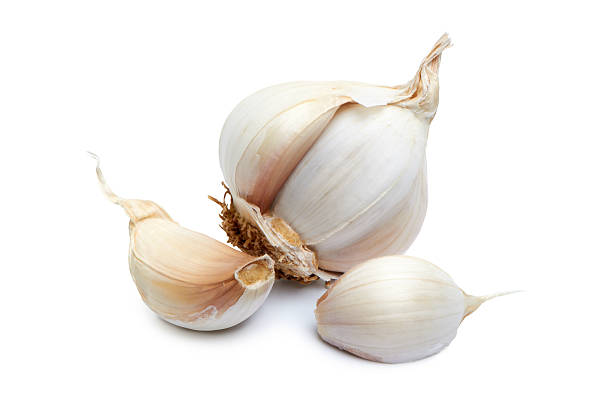
-Garlic (Allium sativum)
Most people just know garlic (Allium sativum) as a flavorful kitchen staple, but research shows it also has powerful health benefits.
Studies indicate that garlic can help support healthy blood pressure by promoting vasodilation, improving circulation, and reducing inflammation, all of which contribute to overall cardiovascular wellness (
Li et al., 2026).
Its bioactive compounds, particularly sulfur-containing molecules like allicin and S-allylcysteine, are believed to be largely responsible for these effects, making garlic a key natural ingredient in maintaining heart health.
-Hibiscus (Hibiscus sabdariffa)
Hibiscus, commonly known as Roselle, is more than just a vibrant herbal tea. I usually take it as tea, and research shows it acts as a natural diuretic, helping the body eliminate excess sodium and water, which can support healthy blood pressure levels.
Clinical studies also suggest that bioactive compounds in Hibiscus, such as anthocyanins and hibiscus acids, promote vasodilation and inhibit angiotensin-converting enzyme (ACE), further contributing to cardiovascular health
(Almajid et al., 2023). Regular consumption of Hibiscus tea or extract has been associated with reductions in both systolic and diastolic blood pressure in individuals with mild to moderate hypertension, making it a safe and natural option for supporting
heart health.
-Hawthorn Berry (Crataegus spp.): Rich in antioxidants, it supports heart health and improves blood circulation.
-Buchu Leaf (Agathosma betulina): Can help by encouraging fluid elimination from the body.
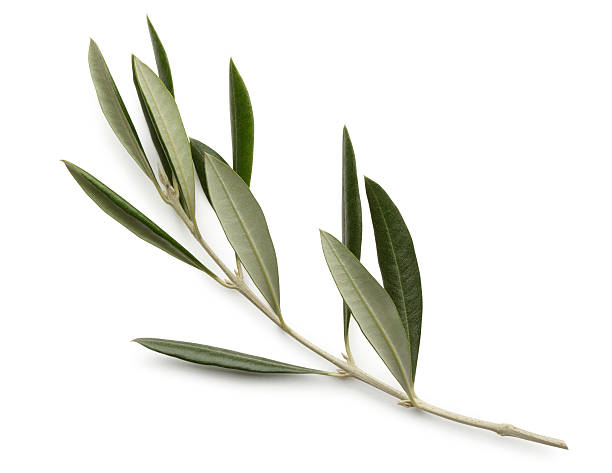
-Olive Leaf (Olea europaea): Shown to help lower blood pressure and improve overall cardiovascular health.
-Green Tea (Camellia sinensis): Contains catechins that can enhance circulation and support heart health.
How Blood Pressure 911 Works?
Blood Pressure 911 targets multiple aspects of cardiovascular health. By enhancing blood flow, reducing inflammation, and assisting in cholesterol management, the combination of its natural ingredients helps maintain healthy blood pressure levels.
Blood Pressure 911 FAQs
How long until I notice results from Blood Pressure 911?
Many may feel a difference within 7 days, but for full benefits, including long-term blood pressure support and cardiovascular health, a 90-day trial is recommended.
How should I take Blood Pressure 911?
Take two capsules daily with a meal. Daily use helps maintain healthy blood pressure levels and supports overall heart health.
Is Blood Pressure 911 safe?
Yes. Blood Pressure 911 is a natural dietary supplement, formulated with herbs and plant extracts. It’s generally as safe as a daily multivitamin. If you have medical conditions, take medications, are pregnant, or under 18, consult your doctor first.
Can Blood Pressure 911 help maintain healthy blood pressure?
Yes. It contains natural ingredients such as garlic, hibiscus, hawthorn berry, olive leaf, and green tea, which support healthy circulation, reduce inflammation, and may help maintain blood pressure within the normal range when combined with a healthy lifestyle.
Can Blood Pressure 911 support heart and kidney health?
Yes. By promoting better blood flow and circulation, reducing inflammation, and supporting antioxidant activity, Blood Pressure 911 may help reduce strain on the heart and kidneys.
Who should avoid taking Blood Pressure 911?
Pregnant women
Individuals under 18
People with medical conditions or on medications should consult a healthcare professional before use.
Disclaimer: This content is for informational purposes only and is not intended to diagnose, treat, cure, or prevent any disease. Always consult your healthcare provider before making decisions about supplements or health practices.