












This article was written and reviewed by Serge, MSc. Leveraging expertise in Biochemistry, Biogeochemistry and Chemical Quality Control, I share insights based on published research to help readers better understand the potential benefits and limitations of supplement ingredients.
Affiliate disclosure: This site has affiliate links, including Amazon. As an Amazon Associate I earn from qualifying purchases, at no extra cost to you.

Some time ago, a friend and I were talking after a workout. Nothing dramatic, just casual conversation. He mentioned feeling more tired than he used to and said that his sexual drive felt different than it had years earlier. He wasn’t worried exactly, just curious. He wanted to understand what was changing and why.
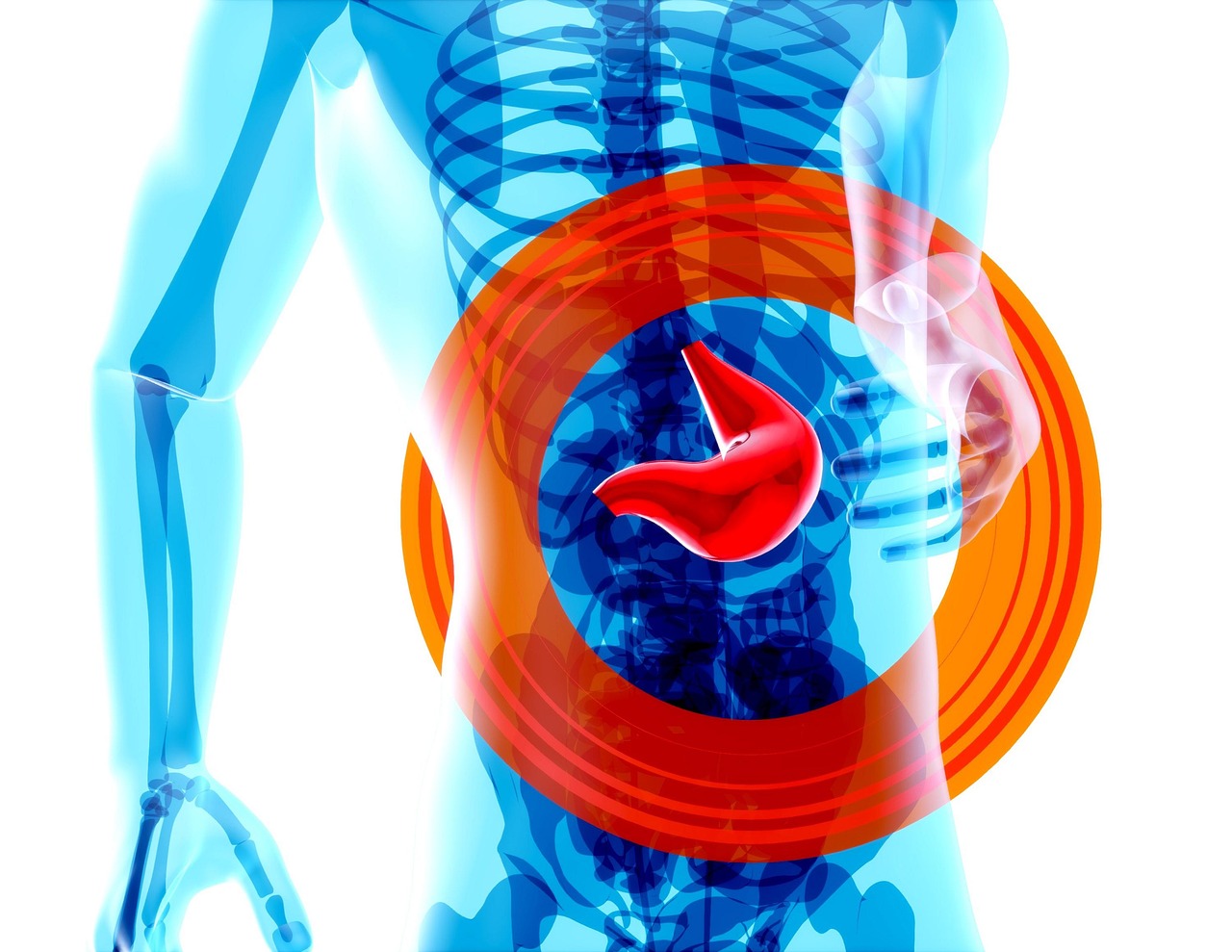
That kind of question comes up often, especially among men who take reasonable care of themselves but start noticing subtle shifts with age. Sexual health tends to reflect how well the body is functioning overall. Changes usually don’t come from one cause, and they rarely happen all at once. More often, they reflect gradual changes across circulation, hormones, recovery, and daily habits.
What follows is not advice or treatment. It’s a clear explanation of how male sexual health relates to aging, blood flow, environment, and lifestyle, based on established biology and conservative interpretation of research.
Aging and Normal Physical Change
As men get older, the body adjusts in small ways. Testosterone levels often decline slowly over time. Muscles may take longer to recover after exertion. Blood vessels may become slightly less flexible. These changes are common and not automatically a sign of illness.
Sexual function depends on the coordinated activity of multiple systems, including vascular, neural, and endocrine pathways. Disruption in any of these systems may reduce efficiency, but does not necessarily eliminate function entirely; rather, it decreases the margin for strain (Calabrò et al., 2019).
Many men remain sexually active and physically capable well into later decades. Physical activity, sleep quality, diet, and stress exposure often explain more variation than age itself.
–
Circulation and Why It Plays a Central Role
Blood flow is one of the most important factors in male sexual function. Erections rely on the ability of blood vessels to respond quickly and efficiently to signals from the nervous system.
Inside every blood vessel is a thin lining of cells called the endothelium. For a long time, this lining was viewed as passive. Research now shows that it actively regulates blood vessel behavior, inflammation, and blood flow.
When endothelial cells function well, blood vessels widen and narrow as needed. When their responsiveness declines, circulation becomes less adaptable. This can affect physical performance, recovery, and sexual response.
Endothelial function tends to decline gradually with age, especially when combined with long-term stress, inactivity, smoking, or poor sleep.
Nitric Oxide and Blood Vessel Response
One of the main substances produced by endothelial cells is nitric oxide. Nitric oxide sends a signal to the smooth muscle in blood vessel walls, allowing those vessels to relax and widen.
This process works through a signaling pathway involving a compound called cyclic guanosine monophosphate, often shortened to cGMP. The body also produces enzymes that break down cGMP to keep blood vessel activity within a normal range.
When nitric oxide availability is reduced, blood vessels may not respond as efficiently. Research links lower nitric oxide activity with aging, oxidative stress, and long-term inflammation. These influences build over time rather than appearing suddenly.

Environment, Stress, and Daily Habits
Modern living places steady pressure on the body. Air pollution, chemical exposures, disrupted sleep schedules, and ongoing psychological stress all influence circulation and metabolism. These effects are often subtle but persistent.
Long periods of sitting, limited physical activity, and diets low in minerals and plant nutrients may further reduce the body’s ability to manage oxidative stress. Sexual health is not directly targeted by these factors, but it reflects the condition of the systems they affect.
From an environmental biology perspective, this is cumulative exposure. The body adapts, but adaptation has limits.
Plants and Nutrients Studied in Male Health
Interest in plant compounds and minerals is understandable. Some have been studied for their association with circulation, hormone processing, or antioxidant activity. It’s important to keep expectations modest and grounded in evidence.
These substances do not reverse aging or replace lifestyle habits. Any effects observed tend to be mild and depend on the broader health context.
1. Hawthorn (Crataegus species)
Hawthorn is rich in flavonoids and other bioactive compounds, which support antioxidant activity and healthy blood circulation (Zhang et al., 2022).
By promoting general vascular function, hawthorn may contribute to overall wellness, including aspects of male health that rely on proper blood flow. Its polyphenols, flavonoids, and triterpenoids are commonly used in functional foods and supplements aimed at supporting cardiovascular health and general vitality.
While there is no direct evidence linking hawthorn to sexual performance, its circulation-supporting properties make it a popular ingredient in wellness-focused products for men.

2. Tribulus terrestris
Tribulus terrestris has been examined for its relationship with physical vitality and nitric oxide pathways, which may influence vascular function and perceived energy in men (de Oliveira Vilar Neto et al., 2023).
Some studies report improvements in erectile function and subjective vitality, but evidence for consistent increases in testosterone levels in healthy men is mixed. While Tribulus supplementation may support aspects of male wellness and circulation, current research does not support strong or reliable hormonal effects.
These findings suggest that Tribulus could be considered as part of lifestyle or wellness strategies, but not as a substitute for medical treatment for androgen deficiency.

3. Chrysin
Chrysin is a flavonoid found in passionflower, honey, and propolis, with laboratory studies demonstrating antioxidant activity and interactions with enzymes involved in hormone metabolism.
While some studies suggest potential effects on testosterone-related pathways, human absorption is very limited, and clinical evidence of significant benefits for men’s health is lacking.
Due to its poor bioavailability and rapid metabolism, chrysin’s practical impact on hormone levels or male physiological functions remains minimal (Rahmani & Khan, 2026).

4. Epimedium species
Epimedium, a traditional Chinese medicinal herb, contains bioactive compounds such as flavonoids and icariin, which have been studied for effects on blood vessel signaling, testosterone regulation, and sexual function.
Most evidence comes from animal and laboratory studies, showing antioxidant, anti-inflammatory, and endocrine-modulating properties that may support male reproductive health.
However, human data are limited, and clinical conclusions remain cautious. Further studies are needed to confirm safety and efficacy in men (Zhuang et al., 2023).

5. Saw Palmetto (Serenoa repens)
This is very common in men’s supplements, but saw palmetto has mostly been studied for prostate health rather than boosting testosterone.
It seems to work by changing how certain hormones are processed, not by directly raising hormone levels. Its main relevance is in supporting age-related hormonal balance and easing urinary symptoms in older men, rather than enhancing performance (Nickel et al., 2022).

6. Ginkgo biloba

7. Magnesium
Magnesium (Mg) is crucial for men’s health, supporting cardiovascular function, muscle strength, and energy metabolism. It regulates blood pressure, heart rhythm, and vascular relaxation, enhances insulin sensitivity, and contributes to bone density, reducing osteoporosis risk.
Mg also supports muscle contraction, recovery, and neuromuscular function, indirectly influencing physical performance and sexual health. Adult men require 400–420 mg/day, achievable through leafy greens, nuts, seeds, whole grains, or supplements [Fatima et al., 2026; PMID: 39539878].
Who This Information May Help, and Who Should Be Careful
This topic may be useful for men noticing gradual changes in energy, recovery, or sexual response and who want to understand possible contributing factors.
Men with cardiovascular conditions, endocrine disorders, or those taking medications that affect blood pressure or hormone metabolism should approach supplements with care and consult a qualified healthcare professional. Information alone is not medical care.
The Role of Daily Habits
Research consistently shows that physical activity, sleep, nutrition, and stress management shape long-term health more than any single compound.
Strength training supports muscle and metabolic health. Aerobic activity supports circulation. Sleep supports hormone regulation and recovery. Diets rich in whole foods and plant diversity support antioxidant balance.
These factors work together over years, not weeks.
A Balanced View of Sexual Health and Aging
Sexual health reflects overall physical condition. It is not a scorecard and not a measure of worth. Aging does not remove function, but it does reduce tolerance for strain.
Understanding how circulation, environment, and habits interact allows men to make informed decisions without chasing claims or fearing normal change.
Conclusion
Male sexual health is linked to blood flow, metabolic health, and long-term lifestyle patterns. Plant compounds and minerals have been studied for supportive roles, but their effects are limited and depend on context.
Clear understanding, steady habits, and realistic expectations offer the most reliable support for health over time. That approach respects both biology and lived experience, and avoids promises that science does not support.
FAQS
1. Why does sexual function change with age?
Small changes in hormones, blood vessels, and recovery can reduce efficiency, but sexual function usually remains.
2. How does blood flow affect sexual health?
Healthy circulation is key for erections. Reduced vessel responsiveness can subtly affect sexual performance.
3. Can lifestyle habits help?
Yes, exercise, sleep, stress management, and a balanced diet support circulation, hormones, and energy.
4. Do supplements work?
Some plants and minerals may help slightly, but they don’t reverse aging or replace healthy habits.
5. When should I see a doctor?
If you have heart, hormone, or medication-related issues, or notice changes affecting daily life, consult a healthcare professional.
