























This article was written and reviewed by Serge, MSc. Leveraging expertise in Biochemistry, Biogeochemistry and Chemical Quality Control, I share insights based on published research to help readers better understand the potential benefits and limitations of supplement ingredients.
Affiliate disclosure: This site has affiliate links, including Amazon. As an Amazon Associate I earn from qualifying purchases, at no extra cost to you.

Healthy plants begin underground, and I mean that literally…
My research work as a biogeochemist was spent measuring what happens in the soil beneath plants, and it changed how I read a supplement label. The quality of a plant-based supplement is decided long before extraction, in the living soil the plant grew in.
Most supplement reviews focus on the extraction method or the dose printed on the label. But the soil is the part that sets the ceiling on quality, because it is where the plant sourced the minerals and built the compounds you are paying for.
Ignore the soil and you are judging a plant by its last step instead of its first.
What Soil Respiration Tells You About Quality
Soil respiration is the carbon dioxide released by the living soil, from microbes and from plant roots. It is one of the clearest measures of how active the underground system is, and it is exactly what I measured in the field.
In my research on silver birch (Betula pendula), I measured soil respiration under warming and saw it rise by about 24 percent in one genotype and 36 percent in another. Same species, same conditions, different genetics, different response. That told me how much the underground activity can shift with small changes, and how much of that variation comes down to the individual plant.
A more active soil generally means more microbial work and more nutrient movement, which helps a plant take up what it needs. But there is a limit. If respiration climbs too high under heat or stress, the soil can lose carbon faster than the plant can use it, and the mineral content of the plant tissue can drop. The plant looks fine, but the raw material behind your supplement is thinner than it appears.
From Microbes to Minerals
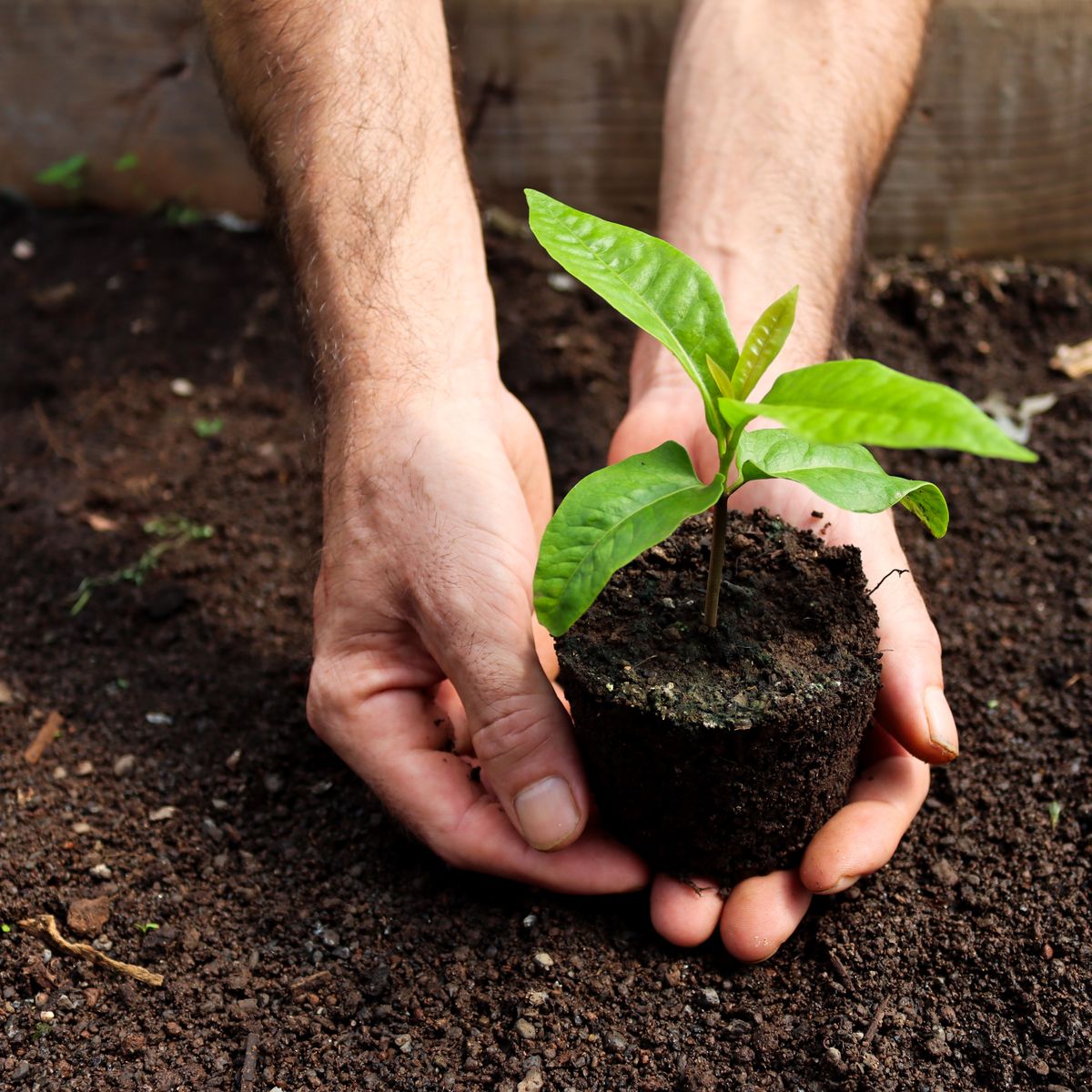
Many people take plant-based supplements for minerals like magnesium, zinc, or selenium. But plants do not make minerals. They pull them from the soil through their roots, and a lot of that depends on microbes.
In the rhizosphere, the thin zone of soil right around the roots, microbes secrete organic acids that break down rock and organic matter and release minerals into a form the plant can absorb. Without that microbial step, many elements stay chemically locked up in the soil and never enter the plant at all. So the mineral content of a plant is not just about what is in the ground. It is about whether the soil life was active enough to unlock it.
Temperature shifts this whole process. If the soil is too cold, microbial activity and root uptake slow down, and the plant takes up less. If it is too hot, the plant can end up prioritising water transport over mineral absorption. A plant grown in soil sitting in that balance produces a richer raw material than one grown in soil that was too cold or too stressed.
Three Things I Look At
When I judge whether a plant’s minerals actually made it into the final material, three underground factors do most of the work.
Soil temperature. Warming changes how soluble minerals are and which ones a plant can take up. Even a couple of degrees of shift in soil temperature can change the mineral balance a plant ends up with.
Microbial mediation. Rhizosphere microbes control how available soil minerals are. Without active microbial processes, many elements stay inaccessible to the roots and never reach the tissue that becomes your supplement.
Root respiration. Pulling minerals into the roots against a concentration gradient takes energy, and that energy shows up as respiration. A stressed plant has less of it to spend, so it harvests nutrients less effectively.
When these are working together, a plant reaches its full mineral potential. When they are not, you get raw material that looks healthy but carries a thinner mineral profile than a good supplement needs.
Bottom Line
Soil health is the foundation of plant supplement quality. To get genuinely nutrient-dense material, you have to look past the leaf and the label to the soil the plant lived in.
The lab step matters, but it cannot add minerals that the plant never took up in the first place. When we ignore the biogeochemistry, we ignore the actual source of the quality.
Common Questions
Can synthetic fertilizers replace healthy soil microbes?
No. Fertilizers supply nitrogen, phosphorus and potassium, but they often skip the microbial processes that help a plant take up trace minerals and build its more complex compounds. The result can be a large plant that is chemically simpler and lower in trace minerals.
Does high soil respiration always mean better soil?
Not always. Very high respiration can mean soil carbon is being lost to the air too fast under heat stress or heavy tilling. The soil worth wanting is biologically active but carbon-stable, not simply respiring as hard as possible.
How does soil carbon affect the compounds in a supplement?
Carbon is the building block of the plant’s organic molecules, including many vitamins and polyphenols. If soil stress disrupts the carbon supply, the plant may lack the raw material to build those compounds, even with plenty of sun and water.
Why doesn’t the supplement label explain any of this?
Because labels are built around the final extracted compound and its standardisation, not the soil and biological processes that produced it. That earlier stage is harder to measure and market, so it rarely appears, even though it sets the ceiling on quality.
