
















This article was written and reviewed by Serge, MSc. Leveraging expertise in Biochemistry, Biogeochemistry and Chemical Quality Control, I share insights based on published research to help readers better understand the potential benefits and limitations of supplement ingredients.
Affiliate disclosure: This site has affiliate links, including Amazon. As an Amazon Associate I earn from qualifying purchases, at no extra cost to you.
I spend my working time looking at what sits inside supplements and what the research says about plant ingredients.
So when people ask me how to start living in a healthier way, my answer is duller than they expect. Keep it simple, keep it consistent, and be wary of anything that promises a shortcut. Good health is not built on a perfect week. It is built on ordinary choices repeated over months.
A lot of people stall because they try to change everything at once, then burn out. You do not need a strict diet or an expensive gym for this. A few steady changes, done daily, do more than a dramatic overhaul you abandon in three weeks.
Keep It Simple, Not Strict
The reason rigid plans fail is that they demand perfection, and perfection is fragile. One bad day and the whole thing collapses. Small habits are the opposite. They survive bad days because they ask so little.
Here is what your body relies on, stripped to the basics: mostly unprocessed food, regular movement you do not dread, decent sleep, steady hydration, some way to unwind, and supplement support only where your diet leaves a real gap. That is the whole foundation. Build it slowly and it holds.
Eat Mostly Real Food
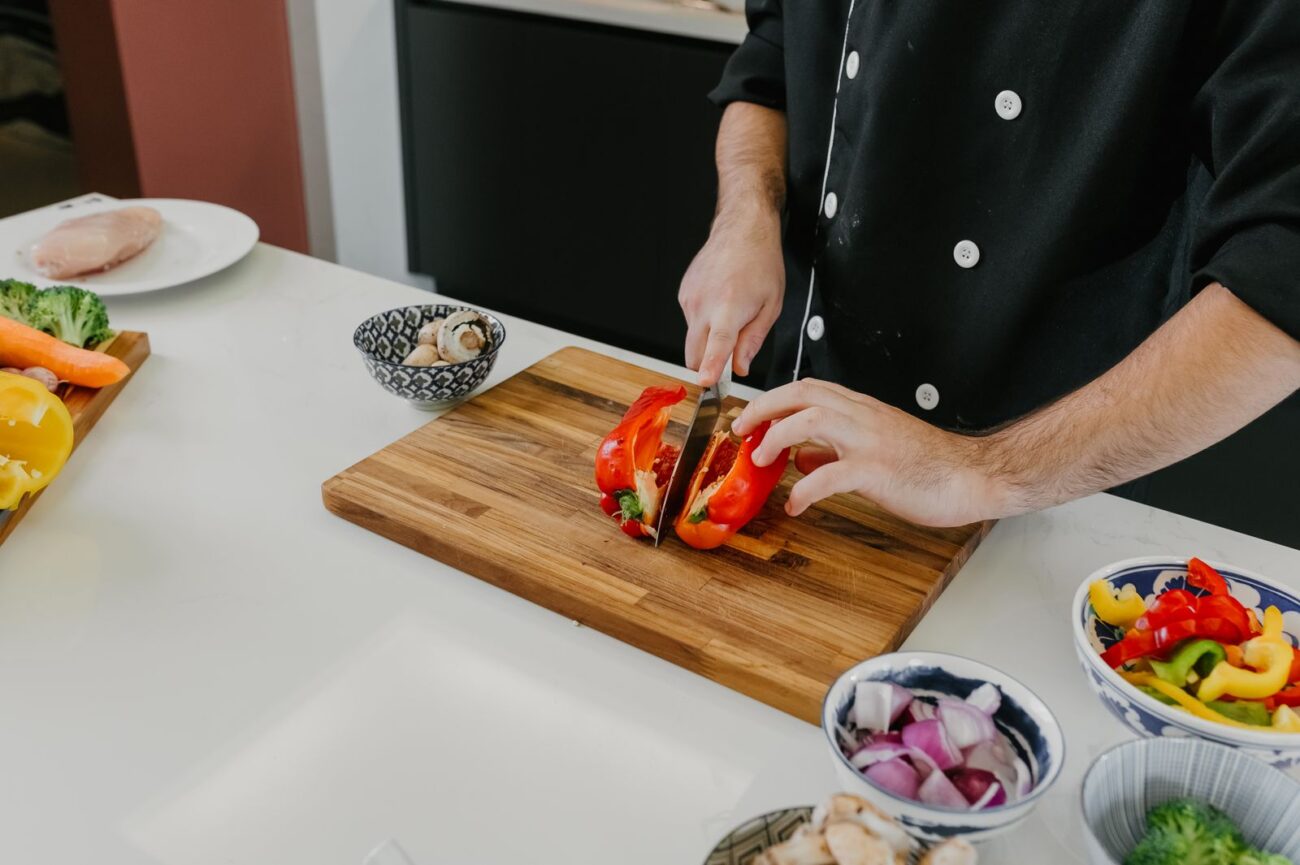
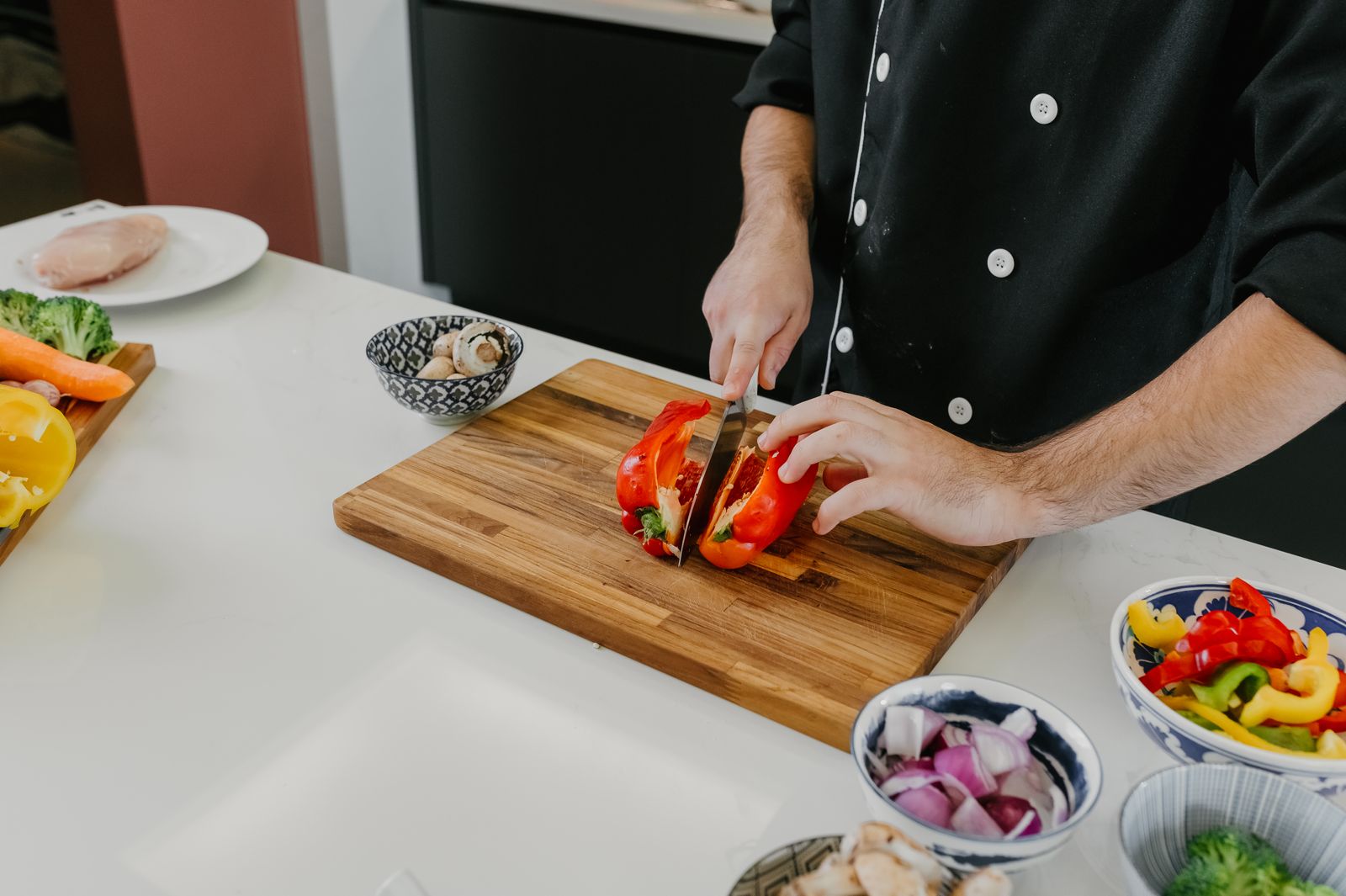
I eat plain, home-cooked food most days. Nothing extreme, nothing costly. Whole foods give your body steadier energy and fewer of the blood sugar swings and cravings that come with heavily processed meals.
A simple plate looks like this: leafy greens and colourful vegetables, a lean protein such as fish, eggs, chicken or legumes, a healthy fat like olive oil, nuts or avocado, a fibre-rich grain such as oats, quinoa or brown rice, and some fresh fruit.
Some plants people add for extra benefit are worth a closer look, because this is where marketing tends to outrun the evidence. In my quality-control training, the first question about any plant extract was never “does it work,” it was “how much of the active compound actually reaches you.” That question changes how you read these:
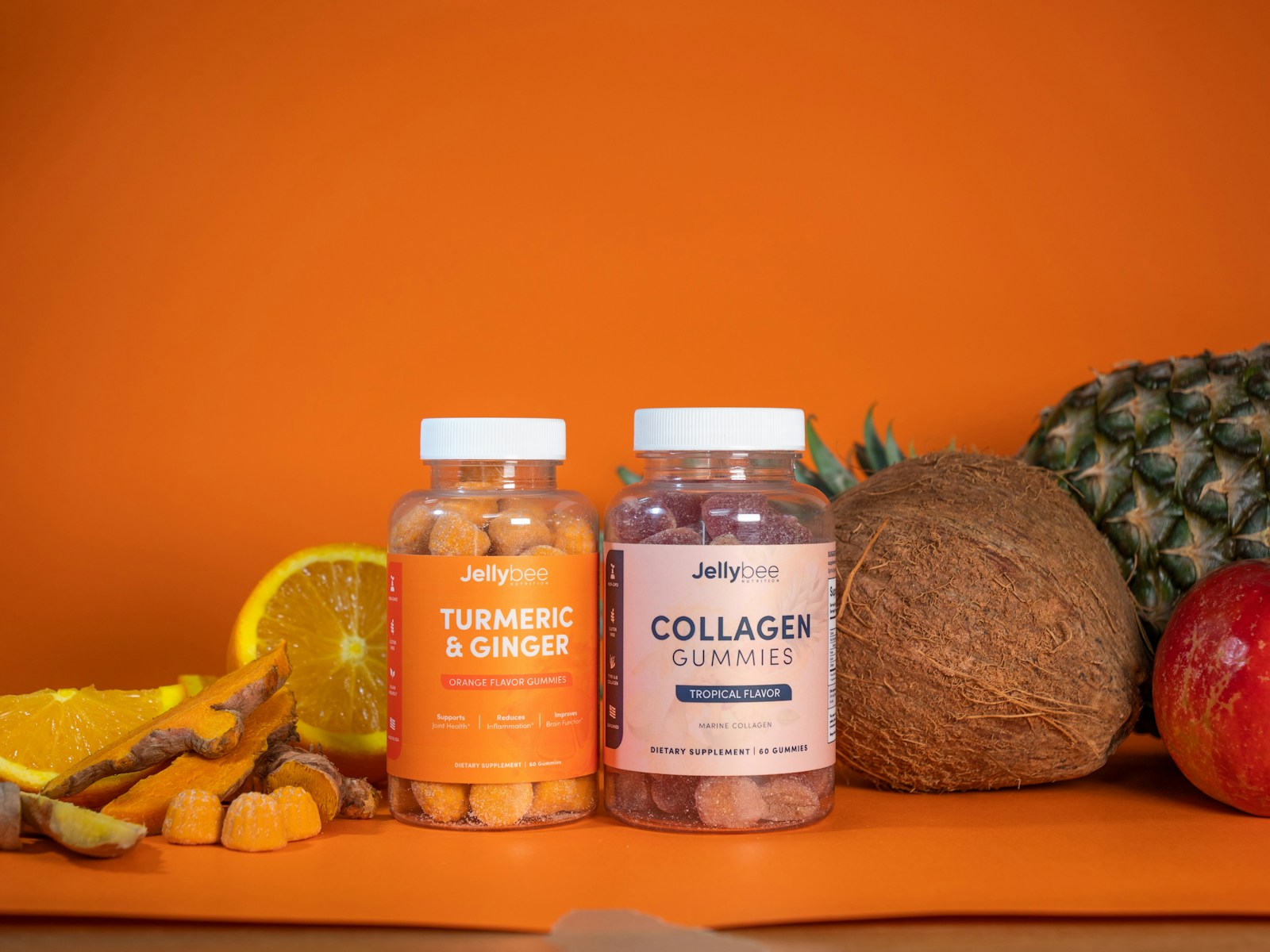
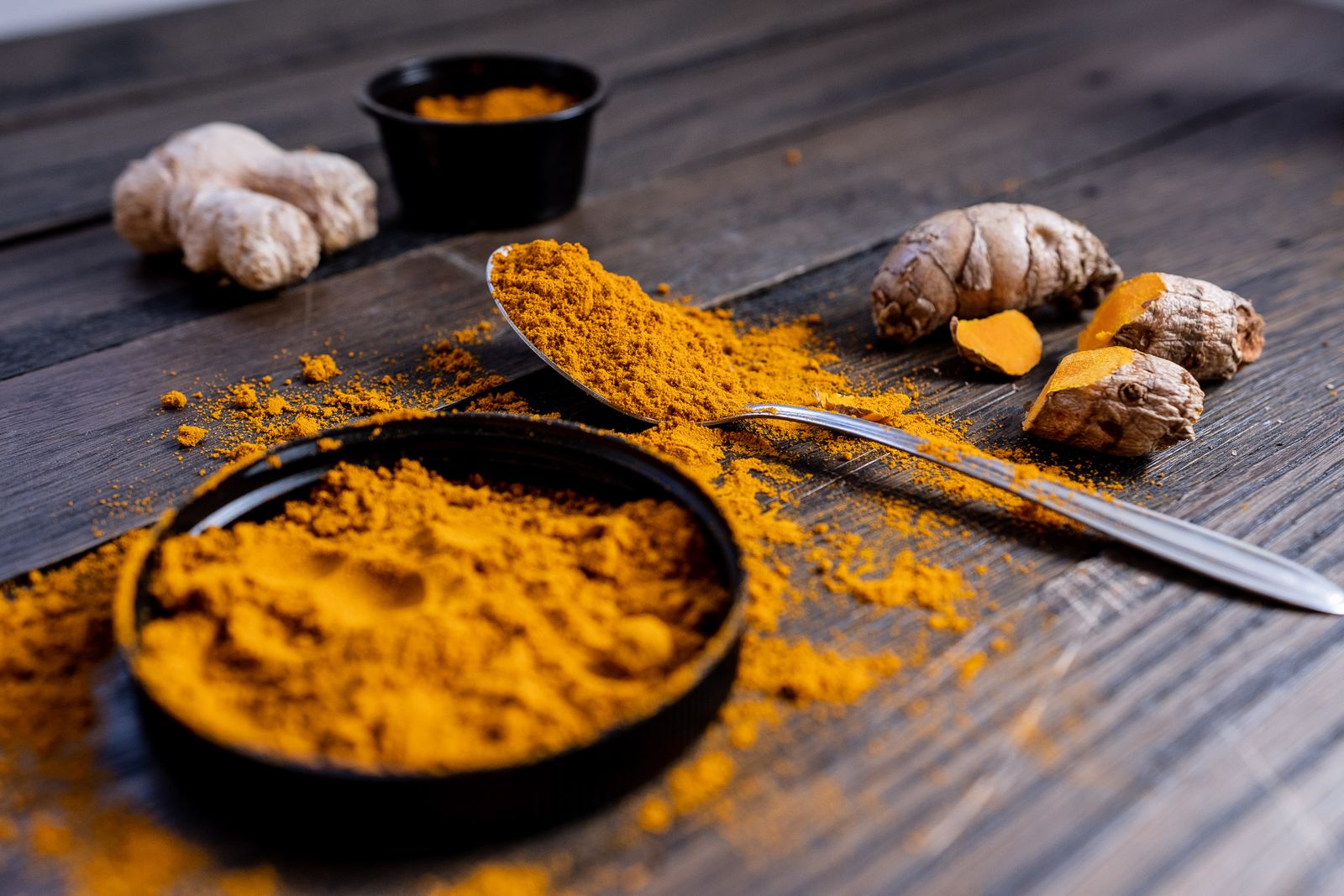
Turmeric (Curcuma longa) contains curcumin, studied mostly for inflammation and joint comfort. The catch is absorption. Curcumin is poorly absorbed on its own, turmeric tea delivers very little of it, and pairing it with black pepper (piperine) is one way to improve uptake. It is worth knowing that some high-absorption curcumin products have been linked to liver problems, so more is not automatically better.
Green tea (Camellia sinensis) is rich in catechins such as EGCG, looked at for metabolism and heart markers, though results across studies are mixed.
Ginger (Zingiber officinale) has a longer track record for digestion and nausea than for most of the other claims made about it.
Holy basil (Ocimum tenuiflorum) is an adaptogen studied for stress markers, with early rather than settled evidence.
You do not need all of them. Start with one or two that fit your routine, and treat the bold promises with patience.
Move In A Way You Enjoy
Regular movement supports circulation, muscle and bone strength, mood and weight, and you do not need a strict programme to get it. The best exercise is the one you will keep doing.
I stick to a simple mix: a few short bodyweight sessions a week, some light cardio like walking or cycling, and a bit of stretching. Aim for around thirty minutes of movement a day, mix some strength with some aerobic work, pick things you like such as dancing, hiking or swimming, and back off before you burn out.
Enjoyment is what keeps you consistent, and consistency is the part that counts.
Where Supplements Fit
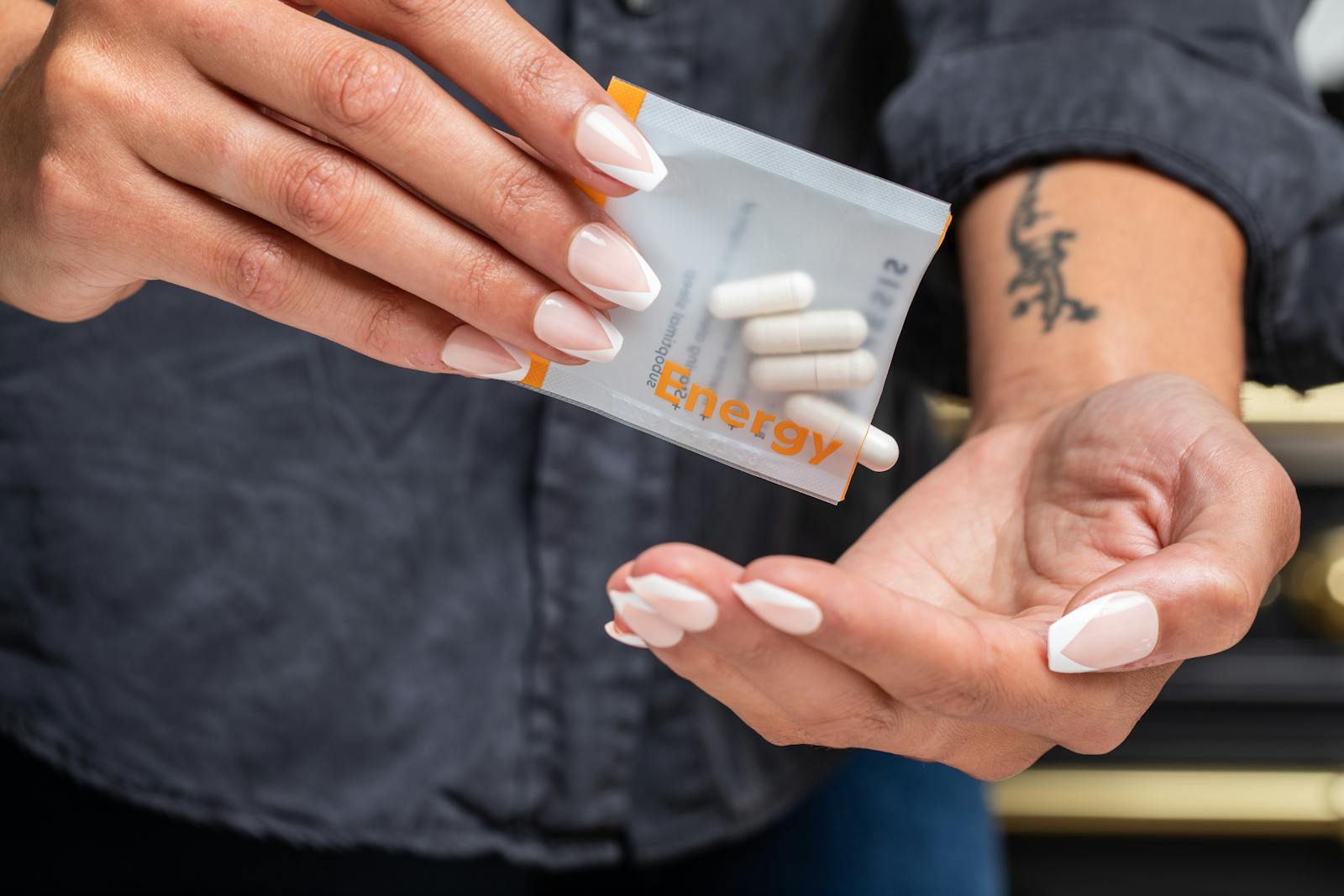
Supplements are an add-on, not a replacement for food. They earn their place when your diet has a genuine gap, for example during a calorie-restricted stretch when hitting every nutrient from food alone gets harder. I use them occasionally, when my diet is limited or my energy dips.
Common sensible options are magnesium, often as magnesium glycinate, looked at for sleep and muscle relaxation; vitamin D3, which many people run low on and which supports bone and immune function; omega-3 from fish or algae oil for heart and brain support; and a plain multivitamin as a safety net when food variety drops.
Whatever you choose, go for tested, good-quality products and resist the urge to stack more than you need.
Hydration And Sleep
These two get overlooked, yet they quietly shape your energy, focus and recovery.
For hydration, drink water across the day, roughly two to three litres depending on how active you are and the weather, add electrolytes during hard exercise or heat, and go easy on dehydrating drinks like heavy coffee or alcohol.
For sleep, aim for seven to nine hours, keep consistent bed and wake times, cut screens and bright light before bed, and keep the room dark, quiet and cool. Get these right and everything else, from digestion to workout recovery, works better.
Managing Stress Belongs Here Too
Long-running stress raises cortisol, which can unsettle sleep, digestion and mood. You cannot remove stress, but you can shape how you respond to it.
Small things help more than you would think: a daily walk, a few minutes of slow breathing, some stretching or yoga, time with friends, a bit of journalling, and less doom-scrolling through the news. You do not need an hour of meditation, just a few deliberate moments to reset.
Build Habits You Can Keep
The best routine is the one you will actually maintain, so copy your own life, not someone else’s plan. Start small and stack slowly: add one vegetable to each meal, walk fifteen minutes after dinner, swap one sugary drink for water, cook at home a little more often, stretch for five minutes in the morning.
These look minor on any single day. Repeated for months, they are the whole thing.
A Simple Recap
What holds up over time is unglamorous: mostly whole foods with variety, movement you enjoy, supplements only where there is a real gap, steady hydration and good sleep, a simple way to unwind, and small habits that compound.
You do not have to chase perfection. You just have to keep showing up in ways that feel doable rather than forced.
Common Questions
Do I need to give up all processed food?
No. The aim is mostly whole foods, not zero processed food ever. An all-or-nothing rule is exactly the kind that collapses. Keep the everyday meals simple and real, and stop treating the occasional exception as a failure.
Are herbal supplements worth it for a beginner?
They are optional, not foundational. Food, movement and sleep move the needle far more. If you do try a herb, learn how its active compound is absorbed before you judge whether it worked, because a poorly absorbed form can look useless when the issue is delivery, not the plant.
How long before I notice a difference?
Energy and sleep often shift within a couple of weeks. Bigger changes in fitness and body composition take longer. The slow pace is normal and is the reason consistency beats intensity.
Is it better to change everything at once or one thing at a time?
One thing at a time, almost always. Each small habit that sticks makes the next one easier, while a total overhaul usually overwhelms and fades.
Should I take a multivitamin just in case?
It can be a reasonable safety net when your diet lacks variety, but it does not replace real food. Aim to get most nutrients from meals and use a supplement to cover a specific gap, not as a substitute for eating well.
Disclaimer:This article is for education, not medical advice. If you have a health condition, take medication, or are making a big change to your diet or exercise, check with a doctor or pharmacist first.
