

















This article was written and reviewed by Serge, MSc. Leveraging expertise in Biochemistry, Biogeochemistry and Chemical Quality Control, I share insights based on published research to help readers better understand the potential benefits and limitations of supplement ingredients.
Affiliate disclosure: This site has affiliate links, including Amazon. As an Amazon Associate I earn from qualifying purchases, at no extra cost to you.

I don’t know why the heart is one of those things we just assume will keep working forever.
We all know the heart is important. But in day-to-day life, it hardly crosses our minds… until something feels off. And even then, it’s easy to convince yourself it’s nothing.
“It’s probably stress.”
“I didn’t sleep well.”
“I’ve been busy.”
I’ve heard all of those. I’ve said a few of them myself.
The weird part is that your heart doesn’t wait for the “right time” to need support. It just keeps doing its job no matter what you’re putting it through. Stress, poor sleep, rushed meals, sitting too long, smoking, drinking, worrying, it just adapts and keeps going.
That’s impressive.
It’s also why problems creep up quietly.
Most heart issues don’t announce themselves early. They build slowly, mixed into everyday life. So slowly that people adjust without realizing it.
You stop taking the stairs.
You get tired faster.
You breathe a little heavier than you used to.
None of it feels dramatic. It just feels… normal.
Something that doesn’t get said enough is how much the heart affects how your days feel, not just your health records.
When the heart is under strain, everything else feels heavier. Your body feels slower. Your energy dips. Sleep doesn’t hit the same. You might not feel sick, just not great either.
And people live like that for years.
Heart disease is still one of the most common causes of death worldwide, responsible for over 20 million deaths each year. But it rarely shows up all at once. Most people don’t wake up one day with a sudden diagnosis. Instead, it often starts quietly, with small, easy-to-miss signs: waking up more tired than usual, feeling winded after minor activity, experiencing mental fog, or just sensing something feels off (Di Cesare et al., 2024).
That’s usually where it starts, tiny signals that, if noticed early, can give you a chance to support your heart before more serious problems develop.

I want to be very clear about something, because ignoring it can be dangerous.
If you feel chest pressure, pain spreading to your arm or jaw, sudden trouble breathing, dizziness, nausea, or cold sweats, that’s serious. Don’t wait. Don’t spend days trying to figure it out on your own. Getting help right away can really change the outcome.
That’s just the reality.
Everything else, the day-to-day care, is where most heart support actually happens.
It’s simple, consistent habits that truly make a difference over time.

Movement is one of the biggest things, but not in the way social media makes it look. You don’t need extreme workouts. You don’t need to exhaust yourself. The heart likes consistency more than intensity.
Walking helps. More than people want to admit.
Stretching helps.
Moving around during the day helps.
About half an hour total in a day already supports circulation. And it doesn’t have to be neat. Ten minutes here, a few minutes there. The heart responds to rhythm, not perfection.

Stress is another thing people underestimate until it’s already doing damage.
Stress keeps the body on edge. Heart rate stays higher. Blood pressure creeps up slowly. Sleep becomes lighter, even if you’re in bed long enough.
And stress has a way of becoming normal. You don’t always feel “stressed.” You just feel busy. Or tired. Or tense.
Small things help more than people expect. Slowing your breathing. Sitting quietly without noise. Stepping outside for air. Turning off screens earlier than usual. Letting your body calm down before sleep.
Those moments give the heart a chance to ease up.

Sleep ties into all of this, whether we like it or not.
It’s the time when the heart finally gets a break. Blood pressure drops, the body does its repair work, and everything resets. When nights are short or interrupted over and over, that reset never really happens.
Most adults do best with 7 to 9 hour, not trying to “catch up” later, just a steady, simple routine.
Simple routines like that are surprisingly powerful for the heart.

Smoking and alcohol are worth mentioning.
Smoking harms blood vessels and reduces the oxygen your blood carries. That makes your heart work harder just to keep things moving. Quitting can help sooner than you might think.
Alcohol, especially in larger amounts, can affect blood pressure and how your heart beats. Cutting back gives your heart a bit of a break.
Small reductions in smoking or drinking can ease the load on your heart, it doesn’t have to be all-or-nothing.

Food is one of those things that can feel overwhelming fast, so I’ll keep it simple.
Some foods make your heart’s job easier. Some make it harder.
The ones that help are easy to find:
-Leafy greens
-Berries
-Nuts and seeds
-Whole grains
-Fatty fish
No fancy ingredients. No complicated recipes.
Eating fried food, sugary snacks, processed meats, and too much salt makes your heart work harder. Just cutting back a little already helps.
You don’t need perfect meals, just ones you can do again and again.

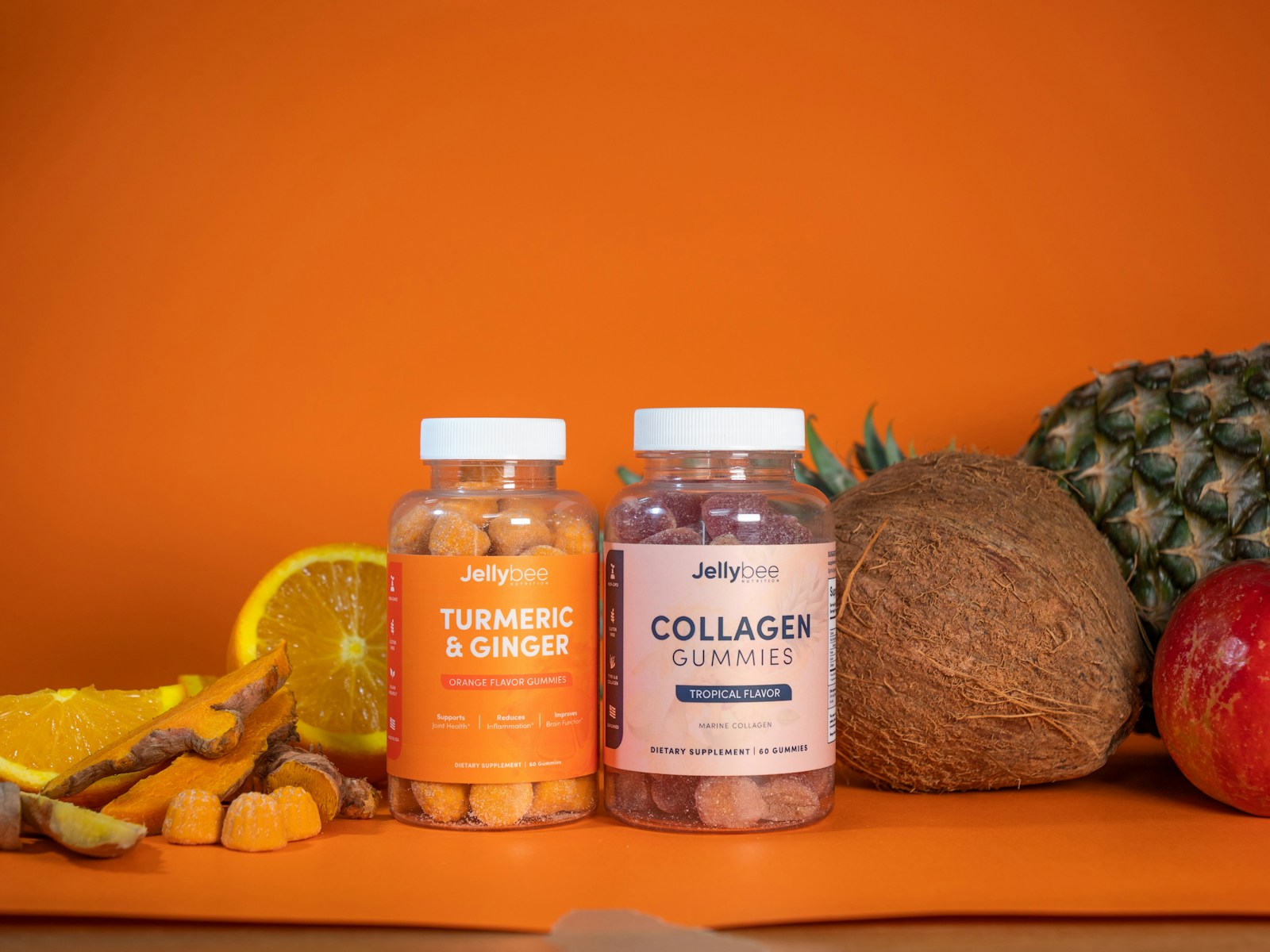
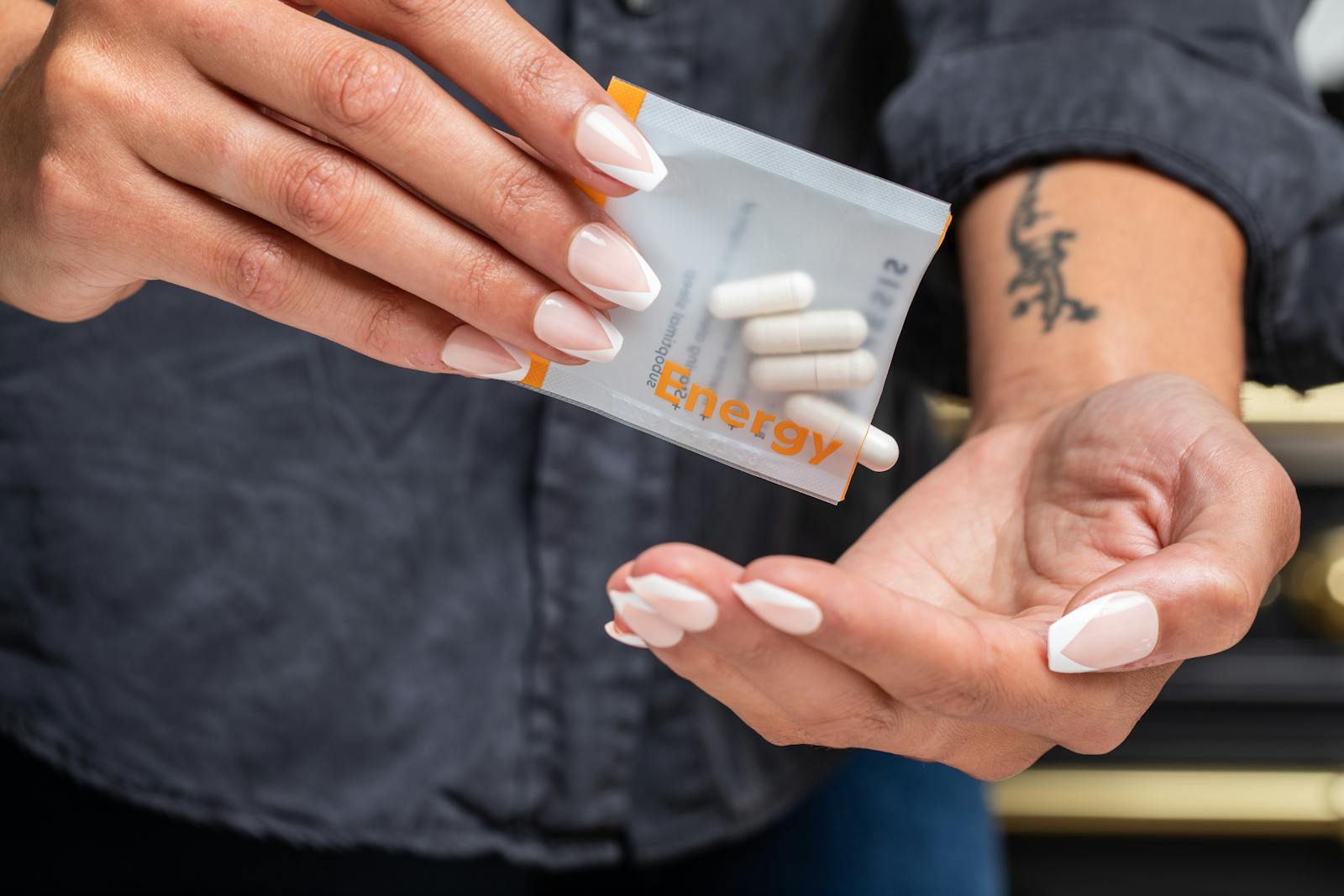
People always ask about supplements, so yes, let’s talk about them.
Omega-3 fatty acids support circulation.
Magnesium helps with steady heartbeat.
CoQ10 supports energy in heart cells.
Plant sterols help with cholesterol absorption.
They can support heart health, but they don’t replace daily habits. Anyone thinking about supplements should talk with a healthcare provider first.
One thing I’ve noticed is that a lot of people don’t struggle because they don’t care. They struggle because they’re confused.
Too much advice. Too many opinions. One article says one thing, the next says the opposite. Eventually people stop trying.
Clear learning helps. Understanding how the heart works makes daily choices feel less random and less stressful. Some people prefer reading guides they can go through slowly, without pressure or noise.
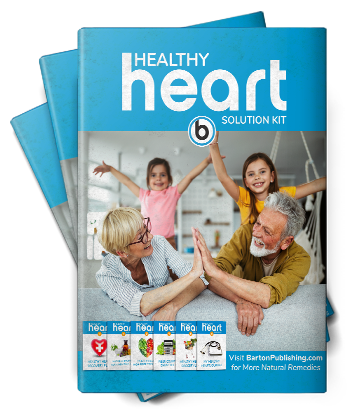
For those people, Healthy Heart Solution exists as a set of e-books focused on heart care basics, lifestyle habits, and daily support. It’s meant as a learning guide, not a miracle fix.
At the end of the day, heart support isn’t dramatic.
It’s boring in the best way.
Move your body regularly.
Eat reasonably well.
Lower stress when you can.
Sleep enough.
Pay attention when something feels off.
Your heart has been doing its job quietly your entire life. Giving it some attention before it starts asking loudly just makes sense.
Questions people usually ask
Can heart problems build without obvious symptoms?
Yes, very often.
Is walking actually helpful?
Yes. More than people think.
How fast do changes help?
Some people notice better energy within weeks.
Does stress really affect the heart?
Yes. Long-term stress keeps the heart working harder.
Are supplements enough by themselves?
No. They support habits, not replace them.
How much sleep helps the heart recover?
Most adults do best with 7 to 9 hours.
Is heart care only for older people?
No. Habits earlier shape heart health later.
Where can someone learn more without overload?
Some people like guides such as Healthy Heart Solution for structured reading.
