
















This article was written and reviewed by Serge, MSc. Leveraging expertise in Biochemistry, Biogeochemistry and Chemical Quality Control, I share insights based on published research to help readers better understand the potential benefits and limitations of supplement ingredients.
Affiliate disclosure: This site has affiliate links, including Amazon. As an Amazon Associate I earn from qualifying purchases, at no extra cost to you.
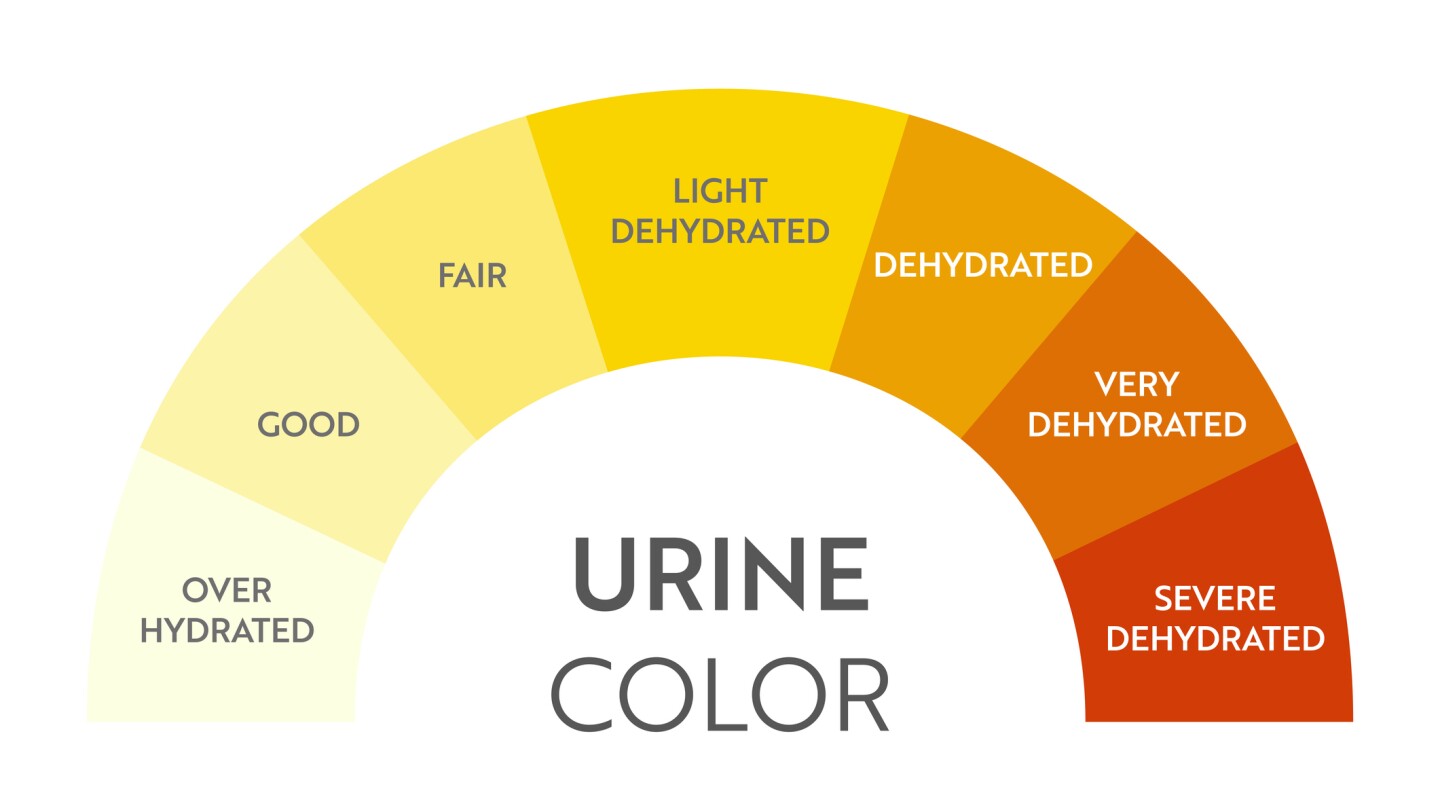
A few years ago, I had one of those “wait, what is happening to my body?” moments. I popped my usual multivitamin after breakfast, went about my day, and then boom, my pee was neon yellow. Like, highlighter yellow. I stared at it, blinking, thinking maybe my bathroom light had changed or the world was glowing. Nope. Just my pee.
At first, I panicked. I imagined every possible scenario, from dehydration to some hidden vitamin apocalypse. I even considered skipping the supplement entirely, just to see if my pee would return to normal. But I also had that small, annoying voice: “Don’t be ridiculous. Figure it out.”
The Confusing and Hilarious Discovery
I started Googling. Every search felt stranger than the last: “Why is my pee bright yellow after vitamins?” “Am I secretly radioactive?” “Can my urine glow in the dark?” Okay, maybe I exaggerated on the last one. Eventually, I landed on some studies about vitamin metabolism.
Turns out, the culprit is riboflavin, or vitamin B2, one of the B-complex vitamins. It’s water-soluble, which means your body uses what it needs and flushes the rest straight into the toilet.

And the bright yellow color, that’s the tricyclic isoalloxazine ring in riboflavin absorbing light and coloring your urine studies. Science has a sense of humor, apparently.
So there I was, panicking over something completely normal. My neon pee was just my kidneys doing their job. My body was like, “Relax, I got this,” while I was overthinking and imagining all sorts of disasters. Reading up on riboflavin’s chemistry actually made me feel a little less ridiculous, turns out, it’s all part of a perfectly normal process.
Learning to Laugh at Myself
Once I understood why it happened, I couldn’t stop laughing. Me, staring at my toilet, worrying about highlighter-colored urine, when all I had done was take my vitamins like a normal adult. It made me realize how much we overthink little things our body does.
I also started paying attention to my routine. I spaced out my vitamins, drank more water, and made sure to take them with meals. Did the color completely disappear? No. Did I care? Not really. It was a funny reminder that my body was actually processing nutrients efficiently.
The Chemistry Behind the Comedy
Here’s a quick dive into why your pee changes colo, in slightly less terrifying terms than I imagined:
Absorption: When you take a water-soluble vitamin like riboflavin, your stomach and small intestine absorb what your body can use.
Circulation: It travels through your bloodstream to cells that need it.
Excretion: Excess amounts aren’t stored. Your kidneys filter them out.
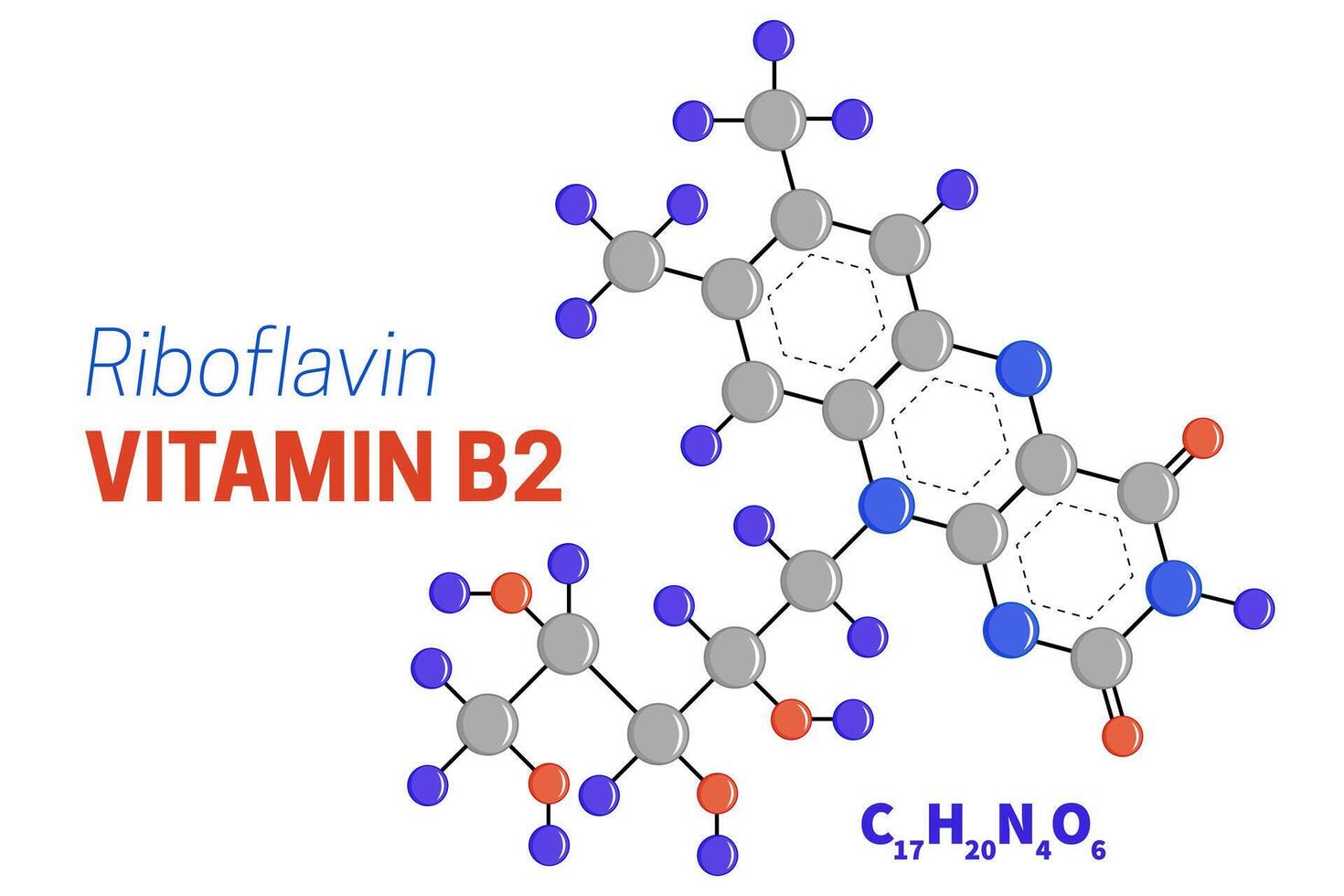
The riboflavin molecule itself has a tricyclic isoalloxazine ring, which is highly conjugated. This chemical structure interacts with light, producing that unmistakable yellow pigment. So the next time you see neon pee, know that it’s just chemistry showing off.
A few studies confirm this effect: after taking B-complex vitamins, urine often turns bright yellow within hours, and it’s completely harmless.
How I Adjusted My Routine Without Losing My Mind
After my initial panic (and laughs), I made a few changes:
Spread out doses: I stopped taking everything at once and split vitamins between breakfast and dinner.
Hydration: I drank more water, which slightly toned down the neon glow.
Timing with meals: Some vitamins absorb better with food, and it helped reduce minor stomach upset.
These changes didn’t stop the color completely, and that’s fine. My neon pee became a quirky, harmless part of my supplement routine.
This experience taught me more than just why my pee was glowing. It reminded me to pay attention, research, and not freak out over minor things. It also got me curious about proper supplementation. Which vitamins should I prioritize? How can I avoid waste?
I’ve actually written a section on my site that dives into vitamins in general, everything from how they work to how much is too much. It covers things like nutrient timing (how vitamins and minerals can affect your energy and sleep), and answers big questions like “Should I even take multivitamins?” or “Which ones actually make a difference?”.
Putting all that together helped me fine-tune my own routine and stop second-guessing what my body needs. You can check it out here, it’s packed with useful info and real-world tips I wish I’d known sooner.
FAQs
1. Is neon yellow pee from vitamins dangerous?
No. It’s usually just excess riboflavin being excreted. Your body is doing exactly what it should.
2. Will the color disappear if I stop taking vitamins?
Yes. Within a few days, urine typically returns to normal.
3. Can other vitamins cause this effect?
Yes. Other water-soluble vitamins like B6 or vitamin C can slightly change urine color, but riboflavin is the most noticeable. Fat-soluble vitamins like A, D, E, and K generally do not affect urine color.
4. Does neon yellow mean I’m overdosing?
Not at all. Standard doses of multivitamins are safe, and the kidneys efficiently remove the excess.
5. How can I reduce neon urine if it bothers me?
Drink more water, take vitamins with meals, and split doses. Some coloration will remain with B2-rich supplements.
6. Are there studies to back this up?
Yes. Research confirms that B-complex supplementation leads to bright yellow urine without causing harm (studies).
Conclusion
If there’s one thing my glowing-pee moment taught me, it’s that the body knows what it’s doing, even when it looks weird. That bright yellow wasn’t a problem; it was just riboflavin’s tricyclic isoalloxazine ring catching the light and showing off.
Once I understood the science, I stopped panicking and started paying attention. Now I see supplements less as quick fixes and more as tools my body uses wisely.
If you’ve ever had your own “what’s happening to me?” moment, take it as a cue to learn, not to stress!
