
















This article was written and reviewed by Serge, MSc. Leveraging expertise in Biochemistry, Biogeochemistry and Chemical Quality Control, I share insights based on published research to help readers better understand the potential benefits and limitations of supplement ingredients.
Affiliate disclosure: This site has affiliate links, including Amazon. As an Amazon Associate I earn from qualifying purchases, at no extra cost to you.

It all starts with a cup of coffee.
For centuries, humans have turned to coffee beans and tea leaves to chase away sleepiness, sharpen their minds before important work, or kick-start the morning. Caffeine, the familiar compound in coffee, tea, and many sodasm became the world’s go-to wake-up helper.
But in the past decade, other compounds have started appearing on supplement labels: TeaCrine and Dynamine (methylliberine). Unlike caffeine, these aren’t household names, but they’ve sparked curiosity among athletes, gamers, and anyone who wants a smoother, steadier perception of energy and focus.
So what’s the story behind these ingredients?
Science is still unfolding, but research gives a fascinating peek into how they work, how they interact, and why people are exploring them together.
Caffeine: The Baseline We All Know
Even before we dive into TeaCrine and Dynamine, caffeine deserves its moment.
It’s one of the most studied compounds in the world. Decades of research show that moderate amounts of caffeine are associated with increased alertness, faster reaction times, and a feeling of being awake.
In controlled studies, caffeine has been linked with improved attention and vigilance, which is why so many of us reach for a cup of coffee before a big task. (pmc.ncbi.nlm.nih.gov)
Caffeine works by interacting with brain chemicals like adenosine and dopamine that regulate sleepiness and arousal. But not everyone responds the same way. Genetics, habitual use, and timing all play a role in how strongly someone feels caffeine’s effects.
Because caffeine is so familiar and well-studied, it serves as a useful baseline when exploring newer compounds like TeaCrine and Dynamine.
TeaCrine: The Longer-Lasting Glow
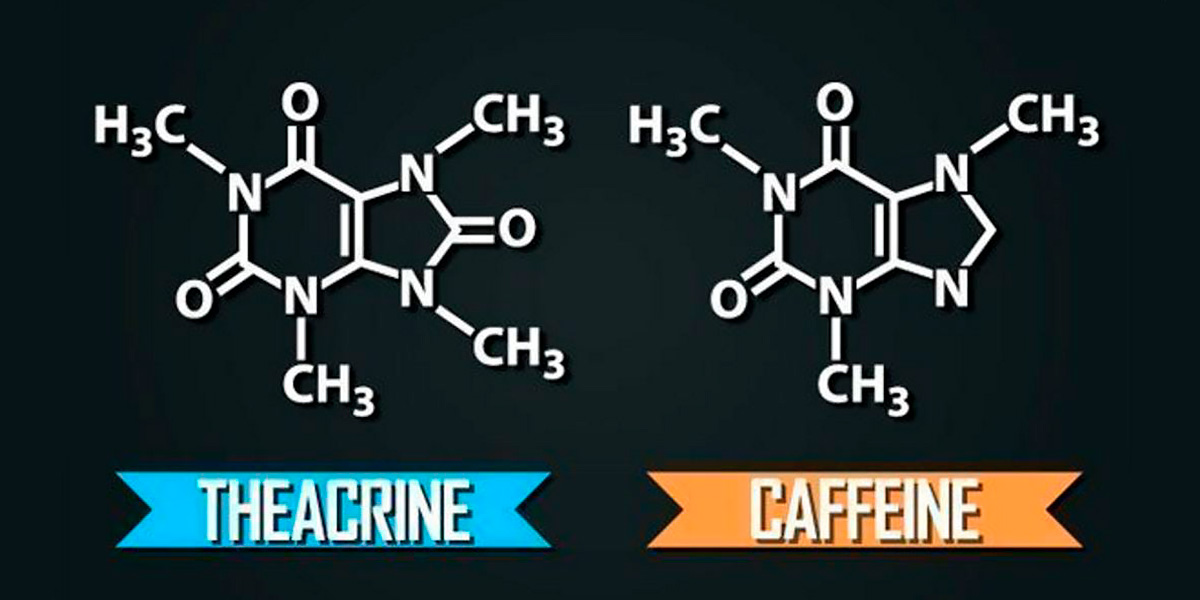
TeaCrine is structurally similar to caffeine, but early research suggests it behaves slightly differently.
One study found that participants who took TeaCrine reported increased feelings of energy and motivation without the same tolerance buildup that many experience with caffeine. Over several weeks, people didn’t feel like they needed more of it to get the same effect. (jissn.biomedcentral.com)
In practical terms, TeaCrine may create a steadier perception of energy over time, like a long-lasting glow rather than a sharp spark. This caught the attention of athletes, students, and professionals looking to sustain focus during extended periods.
Dynamine: The Quick Spark
Dynamine (methylliberine) is a newer ingredient. Its research is limited but growing. What’s interesting is that Dynamine appears to act quickly, providing a fast onset of alertness.
Studies have focused on its use in combination with caffeine and TeaCrine. In one research trial with gamers, participants taking the combination of caffeine, TeaCrine, and Dynamine reported feeling more alert, motivated, and focused compared with a placebo. (pubmed.ncbi.nlm.nih.gov)
Objective measures like reaction time in specific tasks sometimes improved, though individual responses vary. Dynamine may act as the “initial spark” that helps bridge the immediate alertness of caffeine with the longer-lasting effects of TeaCrine.

Putting the Science Into Practice.
All this research is exciting, but how do people experience these compounds outside of a lab?
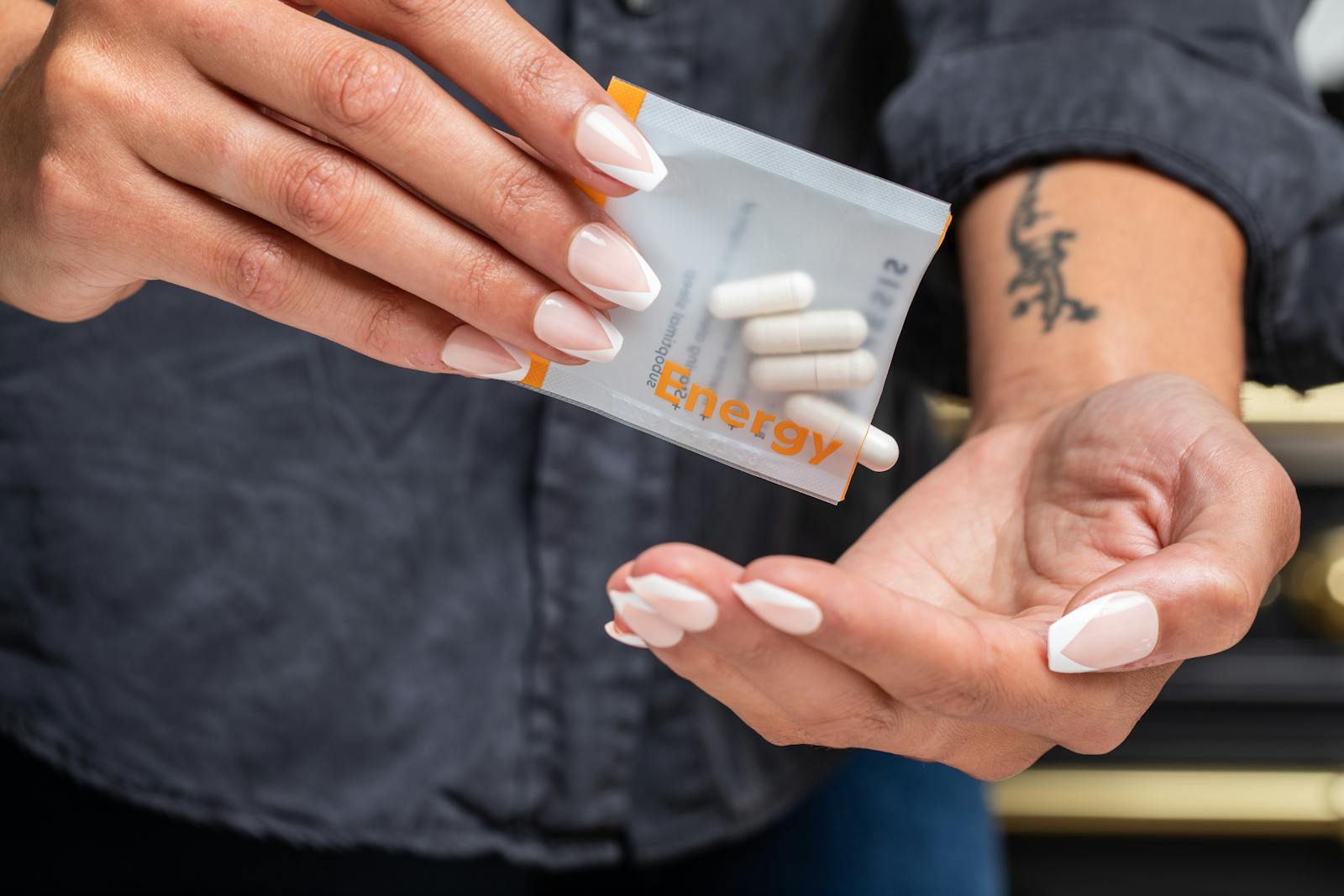
This is where supplements come in. Some products combine caffeine, TeaCrine, and Dynamine into single capsules, not to promise miracles, but to provide a convenient way to explore these ingredients together, similar to how researchers study them.
One example is Aimcise Ready, which blends moderate caffeine with TeaCrine and Dynamine in one capsule. The goal isn’t to guarantee performance but to provide a practical way for people to experiment with the combination.
Studies examining combinations like these found patterns suggesting smoother attention and reaction time compared with caffeine alone, along with reduced reports of jitters. (pubmed.ncbi.nlm.nih.gov)
This is not a substitute for healthy habits, sleep, nutrition, and activity still play a major role, but it’s a neat example of how research findings are reaching the real world.

What You May Notice After Taking Aimcise
Many people who try Aimcise notice subtle but meaningful differences in how they feel during their day or activities. You might experience a steady sense of alertness instead of sudden spikes of energy.
Some users feel more focused on tasks, able to maintain attention longer, or more engaged during work, study, practice, or other activities. Others simply appreciate the convenience of having caffeine, TeaCrine, and Dynamine all in one capsule, without having to mix or measure multiple products.
It’s important to remember that everyone’s experience is different. These are patterns reported by users, not guaranteed effects. Aimcise is a way to explore the combination of ingredients that research studies are investigating, in a practical, real-world form.
Safety and Tolerance
Safety is always a top concern.
Caffeine is well-studied, and moderate doses are generally safe for healthy adults. High doses or late-day consumption can sometimes cause sleep disturbances or tension. (pmc.ncbi.nlm.nih.gov)
Short-term research on combinations with TeaCrine and Dynamine hasn’t flagged major negative effects in young adult participants. Heart rate, blood pressure, and standard blood markers showed no significant harmful changes in these studies, though long-term effects aren’t fully known yet.
FAQs
Q: Will these compounds make me smarter or stronger?
A: No. Research measures patterns in attention, reaction time, and self-reported feelings of energy, not intelligence or guaranteed performance gains.
Q: Does everyone respond the same way?
A: No. Genetics, sleep, diet, and individual sensitivity all influence how someone experiences these ingredients.
Q: Are they safe?
A: Short-term studies haven’t shown major issues, but long-term research is limited. Caffeine sensitivity should be considered.
Q: Is combining them always better than caffeine alone?
A: Some studies suggest smoother alertness and improved reaction patterns, but effects vary by person and situation.
Q: Can I replace coffee with these?
A: That’s a personal choice. Coffee is familiar and well-studied. TeaCrine and Dynamine are newer, and combining them offers a different experience, not a replacement for lifestyle habits.
Conclusion
The journey of caffeine is ancient; its effects are familiar to most of us. TeaCrine and Dynamine are newcomers, still being explored in research. Studies show interesting patterns when these compounds are combined, including smoother perceptions of energy and attention, and possible performance trends in controlled tasks.
Supplements like Aimcise Ready give people a way to explore these compounds together in a practical, convenient form, a bridge between lab research and everyday life.
Science is still unfolding, and as new studies appear, our understanding of how these compounds influence energy, focus, and perceived performance will grow. For now, the story reminds us that curiosity, experimentation, and thoughtful use of research can help us make sense of the tools available to support our daily focus and energy.

