





















This article was written and reviewed by Serge, MSc. Leveraging expertise in Biochemistry, Biogeochemistry and Chemical Quality Control, I share insights based on published research to help readers better understand the potential benefits and limitations of supplement ingredients.
Affiliate disclosure: This site has affiliate links, including Amazon. As an Amazon Associate I earn from qualifying purchases, at no extra cost to you.
Ever feel like your joints just aren’t as smooth as they used to be?
Maybe your knees feel stiff in the morning. Maybe your hands ache a little after a long day. Joint discomfort can slowly become part of daily life, whether it’s from getting older, an old injury, or simple wear and tear over time.
Joint pain isn’t just about getting older. It often involves inflammation and changes in the cartilage that cushions your bones. When movement starts to feel harder, it can affect your mood and energy too.
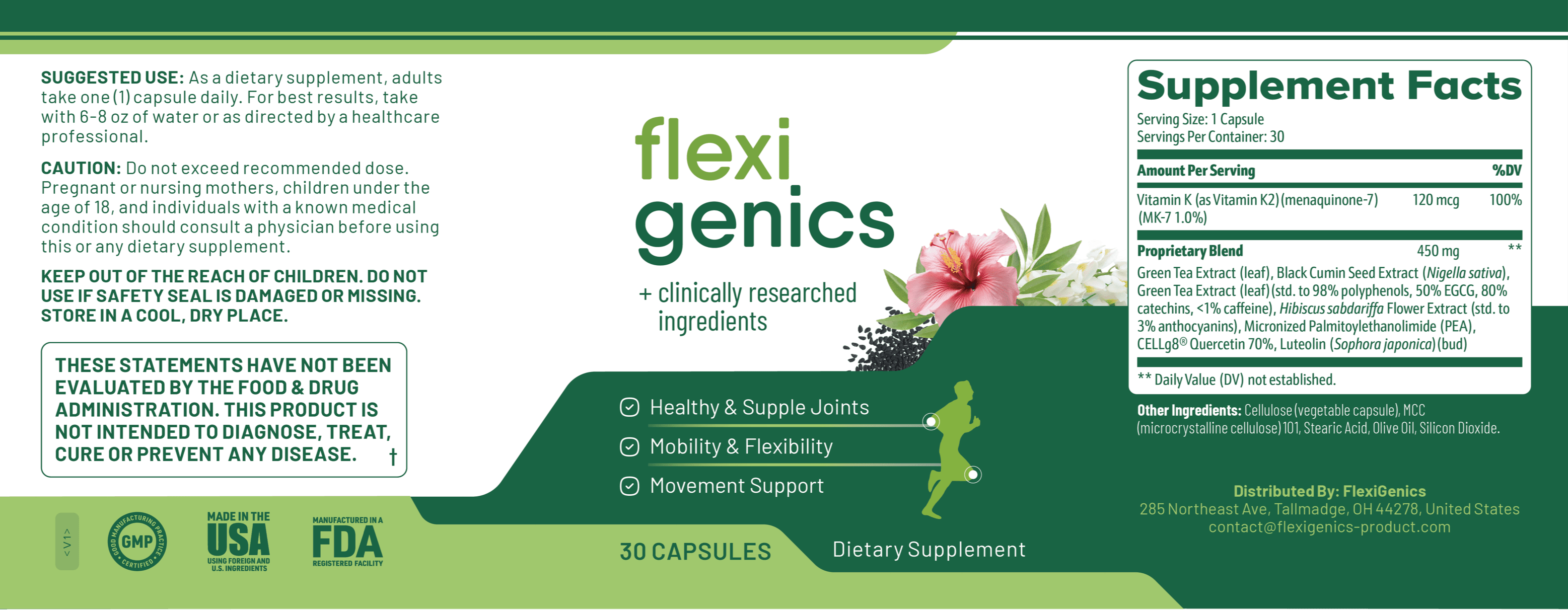
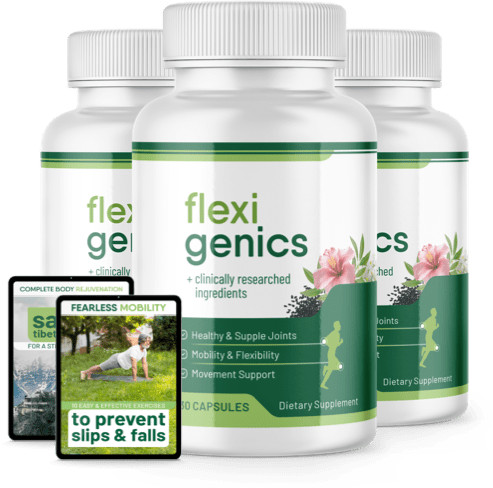
I recently found a product called Flexigenics and got curious. I didn’t want to focus on its claims, I wanted to know what’s actually inside it. What does research say about the ingredients? Could they really support joint health?
That’s what made me start looking into the science behind it.
The Science Behind Flexigenics
After looking into the ingredients, I wanted to understand what makes this formula different from others on the market.
From what I found, Flexigenics focuses on natural compounds that are often studied for their role in joint comfort and mobility. Many joint issues are linked to inflammation, cartilage changes, and stiffness that develops over time. Some research also explores how mineral buildup and reduced flexibility in joint tissues may contribute to that “tight” feeling people describe.
Rather than relying on a single ingredient, the formula appears to combine several plant-based compounds and supportive nutrients. The idea behind this kind of blend is that different ingredients may work through different pathways, some supporting inflammation balance, others helping protect cartilage or improve overall joint flexibility.
Below are some of the primary ingredients:
– Vitamin K.
Vitamin K is best known for its role in blood clotting, but it also plays an important part in bone and joint health. It helps activate proteins such as matrix Gla protein (MGP), which are involved in regulating calcium in the body. This process is important because abnormal calcification in cartilage has been linked to joint degeneration.
A scientific review published in Nutrients examined the connection between vitamin K status and osteoarthritis. The author concluded that adequate vitamin K levels are generally associated with a lower risk of osteoarthritis and certain joint changes in observational studies, although clinical trial evidence is still limited (Chin, 2020).
Rather than acting as a cure, vitamin K appears to support the normal biological processes that help maintain healthy bone and joint tissues.

– Green Tea
Green tea is rich in catechins, primarily epigallocatechin gallate (EGCG), which provide strong antioxidant and anti-inflammatory effects. These compounds help protect joint cartilage by reducing cell death and slowing the breakdown of the cartilage matrix.
In skeletal muscle, green tea catechins support muscle regeneration, improve mitochondrial function, and maintain a healthy balance between protein synthesis and degradation, helping to counteract age-related muscle loss.
Thus, green tea consumption may promote overall joint and muscle health by reducing oxidative stress and inflammation, which are key contributors to osteoarthritis and sarcopenia (Luk et al., 2020).

– Black Cumin
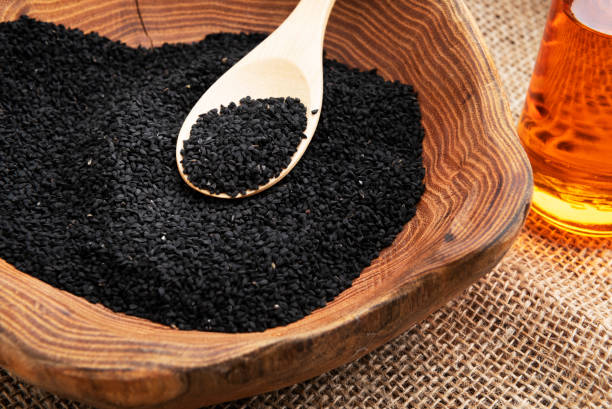
Black cumin (Nigella sativa L.) has been traditionally used for centuries as a medicinal plant with wide-ranging health benefits.
Its main bioactive component, thymoquinone, exhibits strong antioxidant and anti-inflammatory properties that can help reduce oxidative stress and inflammation, key contributors to joint pain and age-related musculoskeletal disorders.
Evidence from both animal and human studies suggests that black cumin may help ease joint discomfort and support overall joint health (Yimer et al., 2019).
– Hibiscus Sabdariffa
The study by Montalvo-González et al. (2022) reviewed clinical trials on Hibiscus sabdariffa, focusing on the physiological effects and health benefits in humans. They found that Hibiscus preparations like teas, infusions, capsules, and beverages exerted multiple beneficial effects including antioxidant, anti-inflammatory, diuretic, and circulation-improving activities.
Specifically, the anti-inflammatory properties were linked to anthocyanins and other phenolic compounds, which could help reduce swelling and support healthy circulation, potentially benefiting joint health.
I think this research is particularly useful because it summarizes human clinical trials, rather than just in vitro or animal studies, giving more confidence in its effects for people. The idea that Hibiscus can reduce inflammation and improve circulation aligns well with the common use of herbal remedies for joint discomfort.
However, the review also notes limitations, such as small sample sizes and variability in Hibiscus preparation and dosage, which suggests that while promising, more large-scale, standardized trials are needed to fully confirm its benefits.

– Quercetin.
Quercetin is a naturally occurring flavonoid found in various fruits, vegetables, and plant-based foods. Studies have shown that quercetin can reduce inflammation by regulating cytokines and other pro-inflammatory molecules, while also supporting the body’s immune response (Aggarwal et al., 2025).
Its anti-inflammatory properties are particularly beneficial for joint health, helping to manage inflammation-related discomfort and supporting overall mobility. This is likely why quercetin has been included in FlexiGenics to promote joint function and wellness.

– Luteolin
Luteolin, found naturally in vegetables, fruits, and herbs such as celery, green peppers, parsley, broccoli, oranges, carrots, chamomile, thyme, oregano, and peppermint, has strong anti-inflammatory effects that help support joint health.
Research shows that luteolin can reduce inflammation and pain in arthritis by calming overactive immune responses and lowering the activity of certain immune cells that drive joint pain (Jiang et al., 2025).

Move with Ease with Flexigenics
Flexigenics combines carefully selected natural ingredients that may support joint comfort and make daily movement feel smoother. With regular use, it could help you enjoy your favorite activities with more ease.
Users may notice improved flexibility and easier movement, helping them get back to hobbies, exercise, or simply staying active. Its natural formula is free from harsh chemicals, giving peace of mind while supporting an active lifestyle.
It is all about making movement enjoyable again, whether it’s dancing, gardening, or playing sports. Stay active, feel freer, and embrace life with greater comfort.
Frequently Asked Questions
How does Flexigenics work?
Flexigenics combines natural ingredients that may support joint comfort, flexibility, and easier movement.
Are there any side effects?
If you have a medical condition or take prescription medication, it’s best to check with your doctor before use.
How do I use Flexigenics?
Take 1 capsule a day with water. Each capsule contains a carefully crafted blend designed to support joint health and mobility.
Visit Flexigenics OFFICIAL WEBSITE Now!