

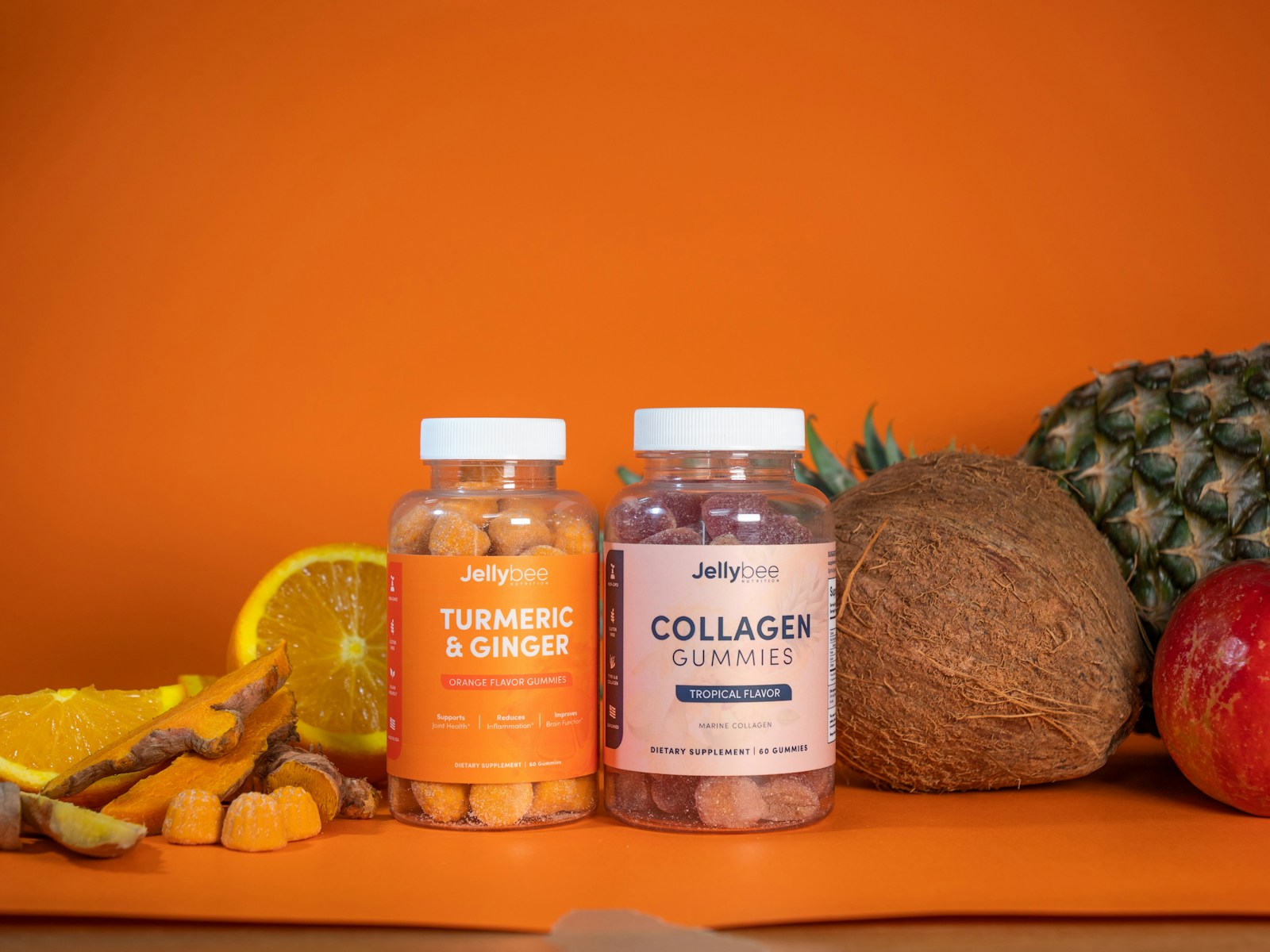



















This article was written and reviewed by Serge, MSc. Leveraging expertise in Biochemistry, Biogeochemistry and Chemical Quality Control, I share insights based on published research to help readers better understand the potential benefits and limitations of supplement ingredients.
Affiliate disclosure: This site has affiliate links, including Amazon. As an Amazon Associate I earn from qualifying purchases, at no extra cost to you.

I was chatting with a friend the other day about skin care and aging, and somehow the conversation drifted to collagen and turmeric.
Wonder why everyone keeps talking about these two?
Well, I hadn’t thought too much about it until recently, but the more I read, the more fascinating it got.
Collagen and turmeric aren’t some magic potion that will turn back time, but they do play interesting roles in keeping your skin and body functioning well. And since I’m a curious sort, I wanted to dig into the science a bit and figure out why people rave about them.
Collagen and Turmeric: Simple Ways to Support Healthy Skin
Collagen is a protein in your body that helps keep your skin firm, smooth, and strong, you can think of it as the material that supports your skin. It’s also in your bones, joints, and tendons, keeping your body resilient.
After your mid-20s, your body naturally starts producing a little less collagen each year. That’s why skin can lose some firmness, fine lines may appear, and joints may feel less flexible. Things like too much sun, stress, or poor nutrition can speed up this process.
Research has looked at how collagen supplements and topical products can help support the skin. In one review, studies across several countries showed that many participants noticed improvements in skin moisture, elasticity, and smoothness.
Some even saw subtle reductions in fine lines and rough patches. The research also found these approaches to be safe, with no reported side effects, suggesting that including collagen in your diet or skincare routine can support your body’s natural structure and resilience (Al-Atif, 2022).
You can get collagen naturally from foods like bone broth, fish, eggs, and dairy, or from collagen supplements if you want a consistent boost. Supporting collagen is about helping your skin and body stay strong and resilient over time, not chasing a quick fix.
Different Types of Collagen
There are several types of collagen, and each has its own job:
-
Type I: Found in skin, bones, and tendons; keeps skin smooth and strong.
-
Type II: Found in cartilage; helps joints move easily.
-
Type III: Works with Type I; helps skin and blood vessels stay healthy.
-
Type V: Helps organize collagen; good for hair, skin, and gut.
-
Type X: Helps cartilage and bones grow and stay healthy.
You can get collagen from foods like chicken, fish, eggs, and bone broth. Some people also use collagen powders to make it easier to get enough.
Turmeric: The Golden Spice
Turmeric is more than just a cooking spice. It contains curcumin, a natural plant compound that has been widely studied. A 2023 scientific review noted that curcumin works as an antioxidant, helping protect cells from everyday environmental stress (El-Saadony et al., 2023).
Since skin is constantly exposed to sunlight and pollution, antioxidants from foods like turmeric are often linked to overall skin support and balance.
Over time, everyday stress inside the body can influence how skin looks and feels. Adding turmeric to your routine is a simple, natural way to support this process. It can be enjoyed in teas, smoothies, curries, or lightly sprinkled on roasted vegetables.

How Collagen and Turmeric Work Together
Collagen gives your skin structure and strength. Turmeric helps protect that structure. Together, they support hydrated, healthy-looking skin.
This combination also supports your overall nutrition and wellness. Collagen helps joints and bones, while turmeric adds plant-based nutrients to your diet.
How to Include Collagen and Turmeric
Here are some simple ways to add them to your routine:
Collagen:
-
Bone Broth: Drink warm or use in soups.
-
Collagen Powder: Mix into smoothies, coffee, or water.
-
Protein Foods: Fish, chicken, eggs, and dairy help your body make collagen naturally.
Turmeric:
-
Fresh Root: Grate into dishes or drinks.
-
Powder: Add to teas, smoothies, or roasted vegetables.
-
Curcumin Supplements: Can help with consistent intake; pair with black pepper or healthy fats for better absorption.
Other Helpful Nutrients:
-
Vitamin C: Found in citrus, berries, and bell peppers; helps your body use collagen.
-
Healthy Fats: Avocados, nuts, olive oil help your skin absorb nutrients.
-
Water: Keeps your cells and skin hydrated.
Lifestyle Tips:
-
Sun Protection: UV rays can affect collagen, so wear sunscreen.
-
Sleep: Deep sleep allows your body to repair tissues.
-
Stress: Relaxation, walks, or yoga help keep your body balanced.
Food First, Supplements Optional
You can get collagen and turmeric from food, but supplements make it easier to take them regularly. Foods rich in collagen include chicken, fish, eggs, bone broth, and dairy. Turmeric is easy to add to meals, teas, or smoothies. Vitamins like C, zinc, and copper help your body make the most of collagen naturally.
Summary
Supporting skin health doesn’t have to be complicated. Collagen and turmeric are two simple tools you can use with good food, water, sleep, stress management, and sun protection.
The goal isn’t to reverse aging, it’s about keeping your skin strong, smooth, and healthy. Small, consistent choices every day, like sipping bone broth, adding turmeric to meals, and eating nutrient-rich foods, can help your body and skin feel nourished and vibrant.
You can find a variety of wellness and beauty products in the Supplements and Beauty section!
FAQs
Can I get enough collagen from food alone?
Yes. Foods like bone broth, chicken, fish, and eggs provide collagen. Supplements just make it easier to get it every day.
Does cooking turmeric reduce its benefits?
Cooking is fine. Curcumin is absorbed better when paired with black pepper or healthy fats.
How long before I notice a difference?
It’s subtle. Consistent intake over several weeks can help your skin feel more hydrated and firm.
Are collagen supplements only for older people?
No. Anyone can benefit. Supporting collagen early can help maintain skin and joints.
Can vegetarians get the benefits?
Plant-based diets don’t have collagen, but they provide nutrients and amino acids that help your body make it naturally.
