



















Find Out the Most a Hidden Ingredient Could Be
A blend hides the amounts. This works out the ceiling for any ingredient on the list.
This tool was built by Serge (MSc) using established science and government sources. My academic background covers plant biology, environmental biology, and biogeochemistry. My tools are for educational purposes and give practical guidance, not professional advice.
A proprietary blend shows one total weight and a list of ingredients, but not how much of each. The rules require that list to run from most to least by weight, and that is enough to work out the most any single ingredient could be.
Enter the blend weight and where the ingredient sits in the list.
The ceiling in one line
Maximum for the ingredient = total blend weight ÷ its position in the list
Every ingredient at or above a given position weighs at least as much as it does, so the total limits how large it can be. In a 500 mg blend, the first ingredient could be up to 500 mg, the second up to 250 mg, and the third up to about 167 mg.
Read it as a best case
The result is a ceiling, not the real amount. The true figure could sit close to it or fall to a tiny trace, and the label does not say which.
That makes the estimate most useful for ruling things out. If even the maximum falls well below a dose that research used, the ingredient cannot be present at a useful level, however it is marketed. The Study Dose vs Product Dose tool makes that comparison directly.
When the estimate can be off
The math assumes the ingredients are listed correctly in descending order, as the rules require. Ingredients that tie in weight, or a list that is out of order, would change the answer.
A low maximum is a strong signal. A high maximum proves nothing, because the ingredient may still be present in a small amount.
Where blends tend to hide
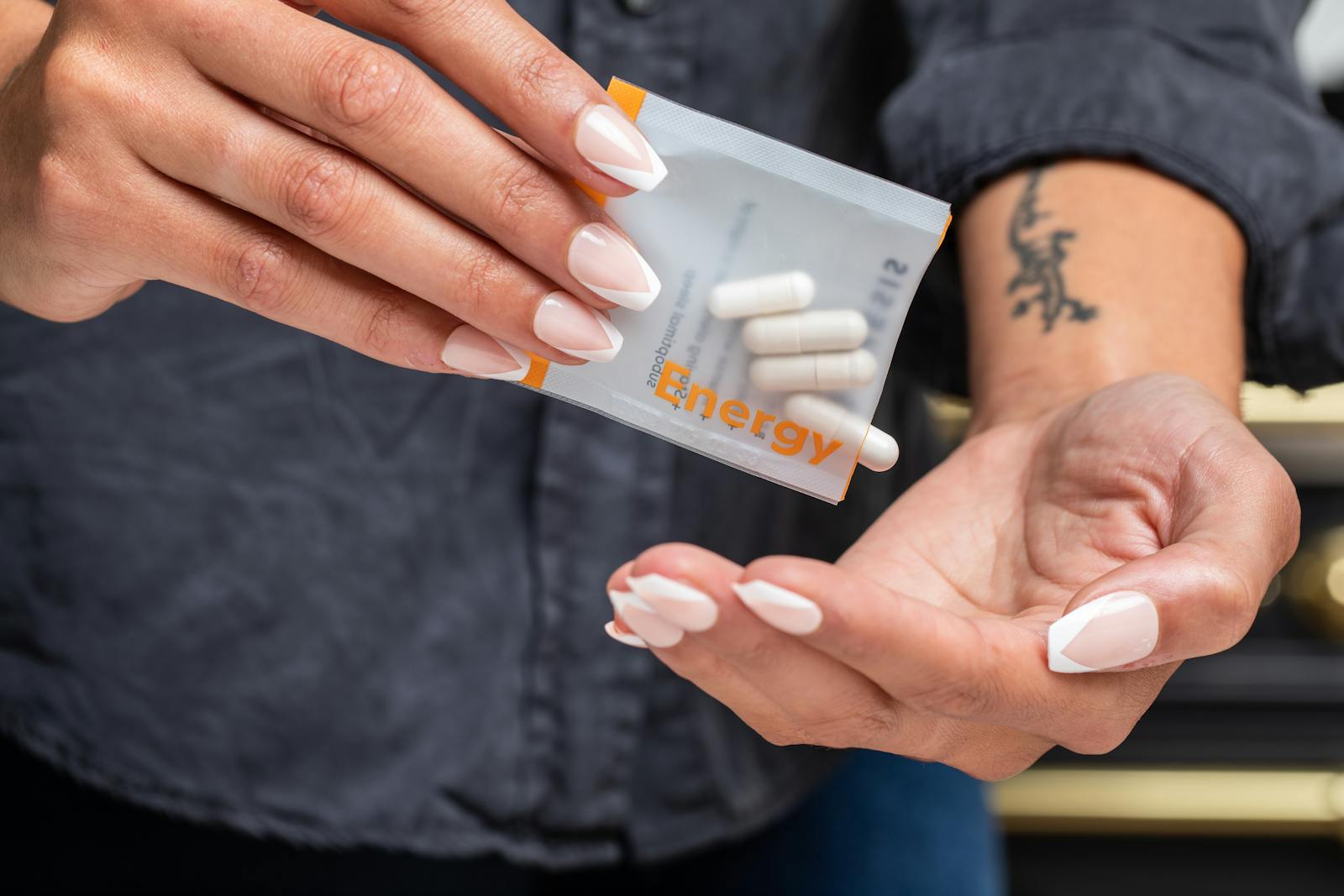
Energy products and pre-workouts often tuck caffeine into a blend. If that is your case, the Caffeine Intake and Cutoff Time calculator shows what your daily total could look like.
Herbal blends are another common spot. If one ingredient is listed with a ratio or a percentage, the Herbal Extract Ratio Converter and the Extract Strength Calculator show what is behind those numbers. To judge whether a blend is worth its price, the Cost Per Dose Calculator puts a figure on each serving.
The rule behind it
Government labeling rules require the ingredients of a proprietary blend to be declared in descending order of predominance by weight. See the Dietary Supplement Labeling Guide, Chapter IV from the FDA.
The regulation itself is 21 CFR 101.36, nutrition labeling of dietary supplements.
This calculator is for general education only and is not medical or professional advice. Always check product labels and speak with a qualified professional before making decisions about supplements.