





















This article was written and reviewed by Serge, MSc. Leveraging expertise in Biochemistry, Biogeochemistry and Chemical Quality Control, I share insights based on published research to help readers better understand the potential benefits and limitations of supplement ingredients.
Affiliate disclosure: This site has affiliate links, including Amazon. As an Amazon Associate I earn from qualifying purchases, at no extra cost to you.

A friend of mine, Alex, recently started taking a daily multivitamin. She was doing it to fill in gaps in her diet and just generally “be healthier.”
But within a few days, she noticed something strange: she was suddenly really hungry. Not the usual mid-afternoon snack kind of hungry, this was the kind of hunger that hit her first thing in the morning, after a meal, even late at night.
Naturally, Alex panicked. She thought maybe she was doing something wrong, or that her metabolism was disrupted. She joked, “Maybe my vitamins are secretly little elves, telling my stomach to eat more!” But as curious as she was, she also wanted answers. Why did something meant to boost her health make her feel like she could never eat enough?
How Vitamins Can Mess With Your Appetite
Well, vitamins themselves don’t cause hunger. They don’t whisper to your stomach, “Eat now!” Instead, they work behind the scenes, supporting your body’s metabolism, energy production, and hormone balance. And sometimes, when those systems get a little nudge, your brain interprets it as hunger.
Alex’s case was classic. She was taking a B-complex supplement, which is basically a group of vitamins that help turn the food you eat into energy.
B1 (thiamine), B2 (riboflavin), B3 (niacin), B6, B12, and the rest are all like tiny workers in your cells’ energy factories. When you give your body more B vitamins, those factories can run faster, and your brain starts asking for more fuel to keep up.
So technically, Alex’s vitamins weren’t making her hungry, they were just speeding up the body’s energy machinery, and her appetite was responding naturally.
B Vitamins: The Metabolism Boosters
B vitamins are essential for converting carbohydrates, fats, and proteins into energy. They act as cofactors in many enzymatic processes that help the body produce energy efficiently.
When B vitamin levels are sufficient, these metabolic pathways can run at full capacity, increasing the body’s energy turnover and naturally signaling a need for more fuel. In other words, an increase in appetite after taking B vitamins can reflect the body’s metabolism operating more efficiently rather than an unexplained craving.
This is supported by research showing that B vitamins are critical for catabolic metabolism and energy production (Hanna et al., 2022).

Vitamin D and Your Hunger Hormones
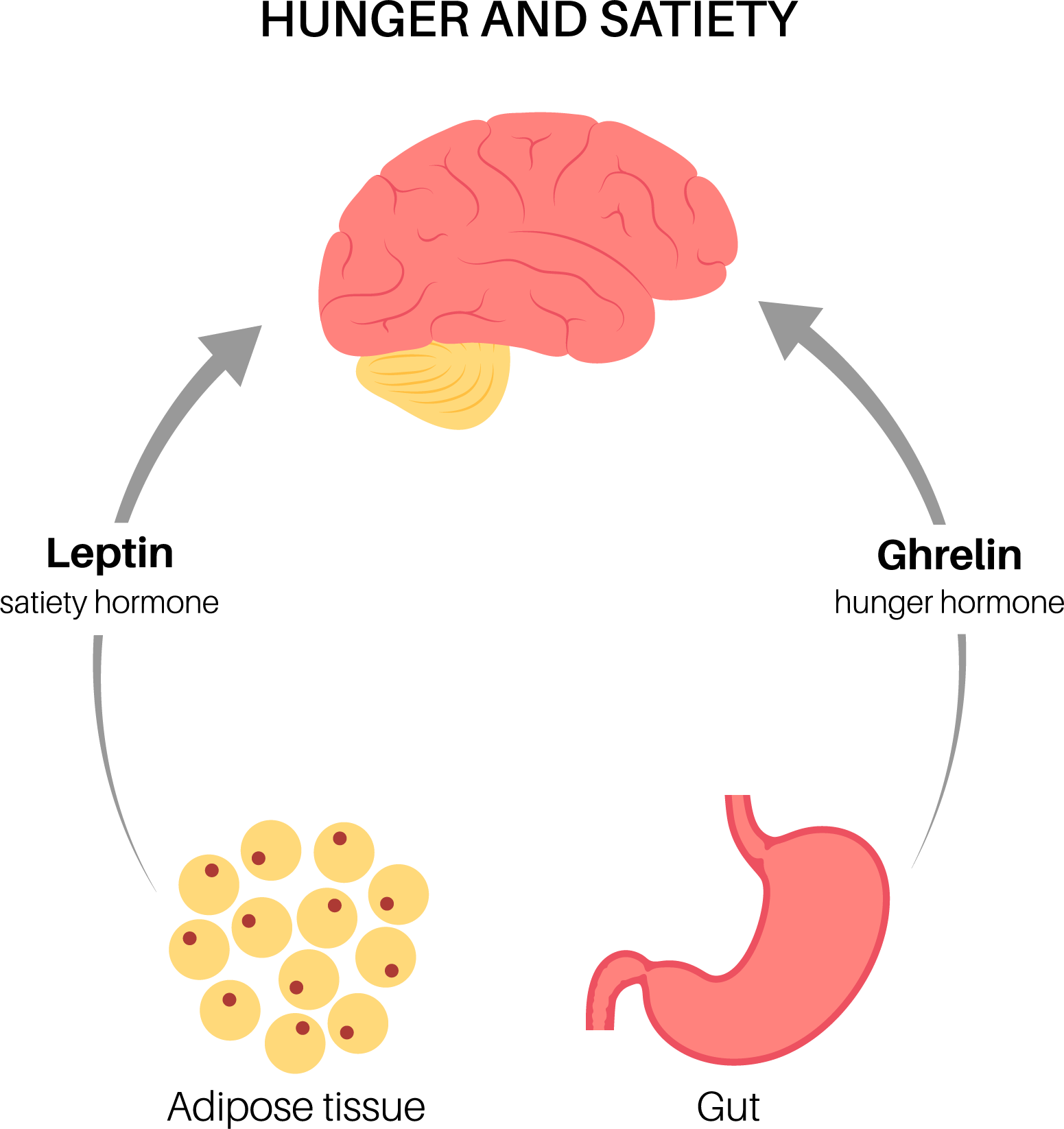
Alex also had a slight vitamin D deficiency, which complicates things further. Vitamin D isn’t just for bones, it also plays a role in regulating appetite hormones like leptin and ghrelin.
Leptin is your “I’m full” signal, while ghrelin is the “feed me” signal. When vitamin D levels are low, leptin sensitivity drops, and you might not feel full even after a meal. When you supplement and bring levels back up, your body recalibrates, which can temporarily make you feel hungrier than usual.
Alex described it like this: “It was as if my stomach had forgotten how to say ‘I’m satisfied,’ so every little snack looked like a five-star meal.”
Minerals That Play a Role
It’s not just vitamins. Minerals like magnesium and chromium can also affect hunger. Magnesium deficiency can cause sugar cravings or low-energy feelings that mimic hunger. Chromium helps stabilize blood sugar, so when you start taking it regularly, your body’s energy signals shift, sometimes making you feel hungrier as your metabolism finds its balance.
In Alex’s case, her multivitamin had both magnesium and chromium, which likely contributed to the noticeable spike in her appetite.
Why This Is Totally Normal
Feeling hungry after vitamins is usually harmless.
Here’s why it happens:
Enhanced Metabolism: B vitamins rev up energy production, and your body naturally wants more fuel.
Correction of Deficiencies: When your body fills gaps in nutrient stores, metabolic processes stabilize, sometimes temporarily increasing hunger.
Hormonal Adjustments: Vitamins like D influence hormones that control appetite, causing a short-term increase in hunger signals.
Recap and Additional: Nutrients Influencing Hunger
| Vitamin / Mineral | Effect on Hunger | Notes |
|---|---|---|
| B-Complex Vitamins (B1, B2, B3, B6, B12) | Can increase appetite | Water-soluble; act as cofactors in energy metabolism, helping the body burn fuel efficiently |
| Vitamin C | May increase appetite slightly | Water-soluble; excess is excreted, so effects can be more immediate |
| Vitamin D | Can influence hunger hormones leptin and ghrelin | Fat-soluble; effects are slower and long-term |
| Magnesium | Supports blood sugar regulation, may increase hunger indirectly | Involved in energy metabolism |
| Chromium | Helps stabilize blood sugar, affects appetite cues | Trace mineral |
Alex found a few strategies that helped her keep her appetite in check without giving up her supplements:
Take Vitamins With Meals: This slows absorption and keeps metabolism from spiking too quickly.
Stay Hydrated: Sometimes your brain confuses thirst for hunger. A glass of water can prevent unnecessary snacking.
Eat Balanced Snacks: Fruits, vegetables, nuts, or yogurt can satisfy the body without excess calories.
Split Doses: Instead of taking everything in the morning, she split her vitamins into morning and evening doses, which eased the intensity of hunger spikes.
These small tweaks helped Alex feel more in control, even on days when her stomach reminded her she’d taken her B-complex vitamins.
When to Pay Attention
Most of the time, vitamin-induced hunger isn’t dangerous. But watch for:
Excessive Supplementation: Very high doses of B vitamins can cause digestive discomfort or mimic hunger.
Uncontrolled Eating: Using vitamins as an excuse to snack constantly can add unnecessary calories.
Underlying Conditions: Diabetes, thyroid issues, or gastrointestinal problems can amplify appetite changes. Consult a healthcare provider if hunger becomes extreme or persistent.
For most healthy adults, following recommended doses is safe, even if your appetite temporarily spikes.
Key Takeaways
Alex learned a few important lessons from her experience:
Vitamins don’t directly “make you hungry,” but they can influence metabolism and hormones that affect appetite.
B vitamins, vitamin D, magnesium, and chromium are most commonly linked to hunger after supplementation.
Feeling hungrier can actually mean your body is efficiently using nutrients and correcting deficiencies.
Simple strategies like timing supplements with meals, staying hydrated, and eating nutrient-dense snacks can help manage the effect.
Most importantly, Alex realized that paying attention to her body and how it responds to supplementation was more useful than stressing over temporary hunger.
FAQs
Q: Can vitamins make me gain weight?
A: Not directly. Vitamins don’t contain calories, so any weight changes come from eating more in response to hunger.
Q: Which vitamins are most likely to trigger hunger?
A: B-complex vitamins, vitamin D, magnesium, and chromium.
Q: How can I manage vitamin-related hunger?
A: Take vitamins with meals, stay hydrated, snack on nutrient-dense foods, and consider splitting doses.
Q: Should I stop taking vitamins if they make me hungry?
A: Usually not. Temporary hunger is normal. Adjust timing or dosage if needed, but keep taking supplements for overall health.
Q: Is hunger after taking vitamins dangerous?
A: No. It’s generally harmless and often shows that your body is metabolizing nutrients efficiently.
Conclusion
For Alex, what started as a confusing, slightly frustrating experience became a learning opportunity. She realized that feeling hungry after taking vitamins isn’t a sign that something is wrong, it’s a sign that her body is working, adjusting, and efficiently using the nutrients she provides it.
So if your stomach starts growling after a B-complex or multivitamin, take a deep breath. Your body isn’t rebelling; it’s just asking for a little extra fuel as it gets to work. And like Alex, you can manage it with smart timing, hydration, and balanced snacks, without giving up the benefits of supplementation.
Looking for top-quality vitamins to support your health?
Discover more here!
